
Difference Between RTD and Thermocouple: Best Guide
RTDs and Thermocouples have the same function of temperature measurement but there is a significant difference between RTD and thermocouple when we study the design
Uncover the fundamentals of electrical engineering with our comprehensive collection of electrical concepts on Electrical Hub. From circuit basics to advanced principles, explore a wealth of knowledge to enhance your understanding of electricity. Dive into the world of electrical concepts and empower your expertise.
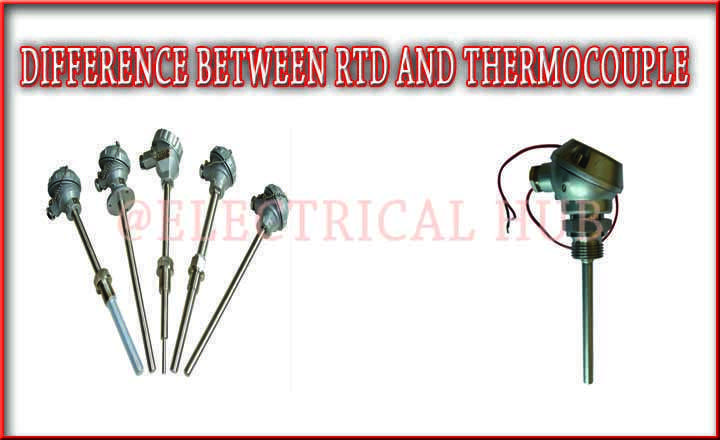
RTDs and Thermocouples have the same function of temperature measurement but there is a significant difference between RTD and thermocouple when we study the design
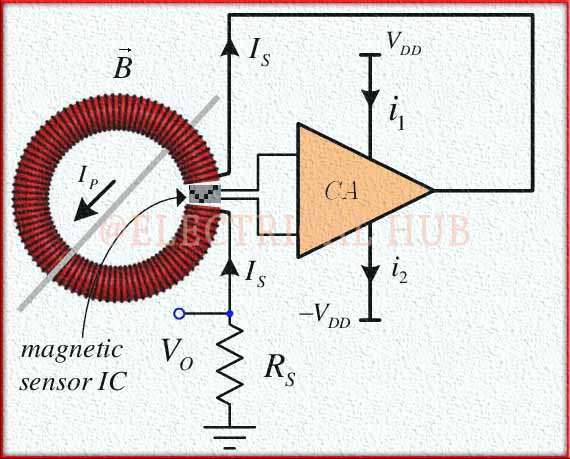
At the heart of the DC current transformer working principle is its core and coil arrangement. Similar to AC transformers, DC current transformers consist of a magnetic core and primary and secondary windings. The primary winding, typically consisting of a single turn or a few turns of a thick conductor, is connected in series with the DC circuit carrying the current to be measured.
Piezoelectric Effect The piezoelectric effect is a fascinating phenomenon that lies…
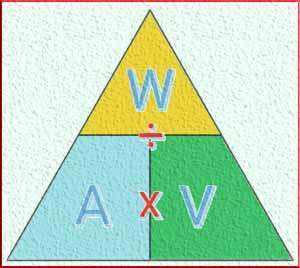
Discovering how electricity works can seem like a daunting task, especially…
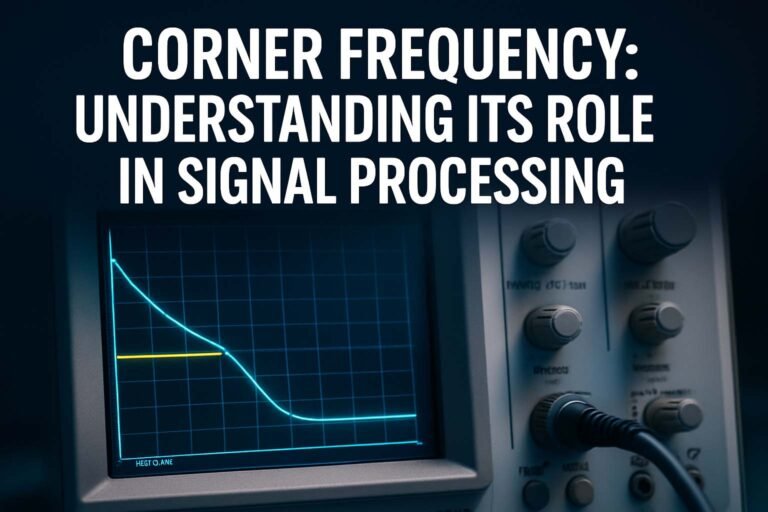
Explore the concept of corner frequency and its crucial role in signal processing. Learn how it impacts filter design, frequency response, and overall electronic signal performance.

Fault Current Calculation made simple with practical formulas, examples, and an easy-to-use calculator. Learn how to determine short circuit current for proper equipment selection, relay coordination, and electrical system protection.

How to Check Power Factor using meters, power analyzers, and calculation methods. Learn the step-by-step procedure, formulas, readings, and practical testing tips.
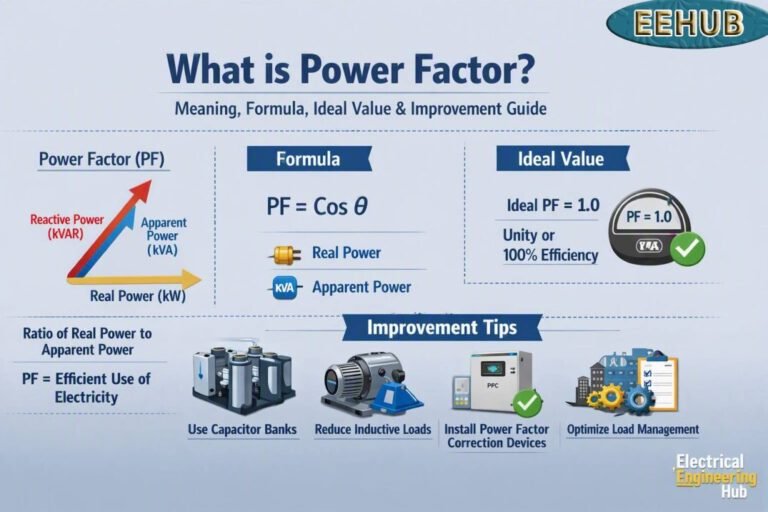
What is Power Factor? Learn its meaning, formula, ideal value, types, effects on electrical systems, and practical methods to improve power factor and reduce energy losses.
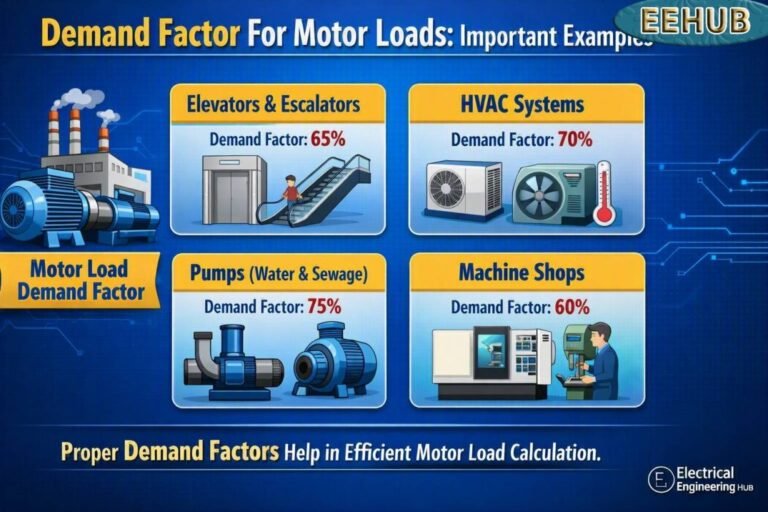
Learn Demand Factor For Motor Loads with practical examples, calculation methods, and electrical design guidance to accurately determine motor load requirements and improve system sizing.
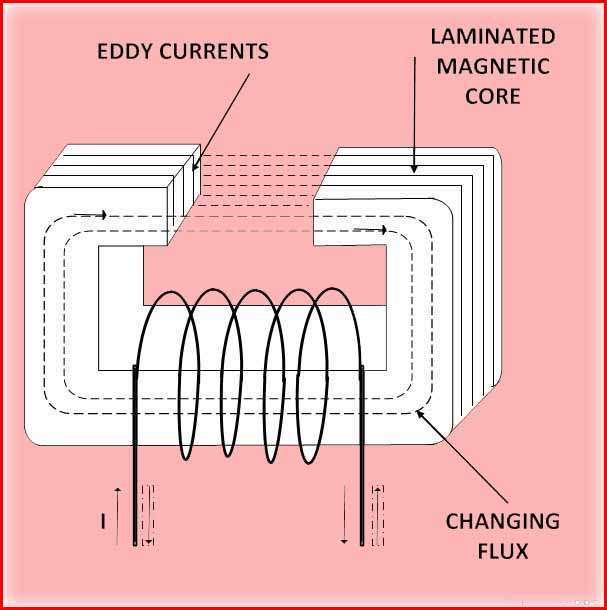
Difference between Hysteresis loss and eddy current loss can be simplified by understanding the types of losses. Hysteresis loss and eddy current loss are two distinct mechanisms of energy dissipation in different situations.

Learn how to calculate power factor in electricity bill using simple formulas, real-world examples, and practical steps to understand energy consumption and power charges.
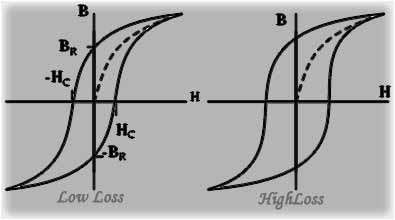
The derivation of the magnitude of hysteresis losses involves analyzing the energy dissipated during a complete cycle of magnetization and demagnetization of a ferromagnetic material.
Hysteresis loss, also known as magnetic hysteresis loss, is a phenomenon that occurs in ferromagnetic materials when they are subjected to cyclic magnetic fields. It refers to the energy dissipated in the form of heat as the magnetic domains within the material undergo repeated alignment and realignment with the changing magnetic field. Hysteresis is a significant factor to consider in various electrical and magnetic applications.
Eddy current loss, also known as Foucault or joule loss, is a phenomenon that occurs when a conductor is exposed to a varying magnetic field, resulting in the generation of circulating currents within the conductor. These circulating currents are known as Eddy currents and are responsible for the dissipation of energy in the form of heat. Eddy current loss can have significant implications in various electrical and magnetic systems.