
Purpose of Excitation System: Important Concepts
Purpose of Excitation system is to regulate the generator’s terminal voltage and maintain the system’s stability during varying load conditions and disturbances.
Empower your understanding of electrical power with Electrical Hub’s comprehensive category. Explore the core principles, generation methods, and distribution of electrical power. Stay current with industry trends and best practices for efficient and reliable power management
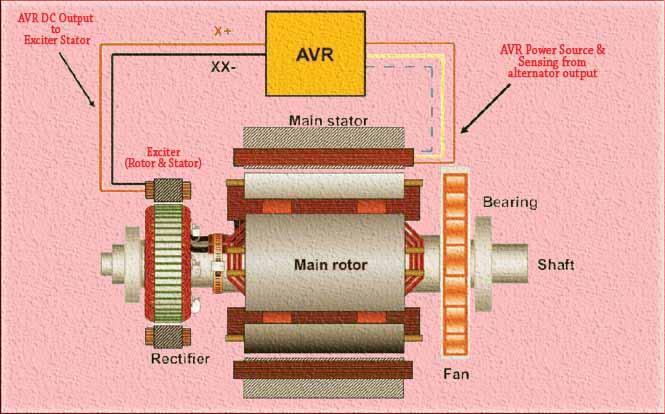
Purpose of Excitation system is to regulate the generator’s terminal voltage and maintain the system’s stability during varying load conditions and disturbances.
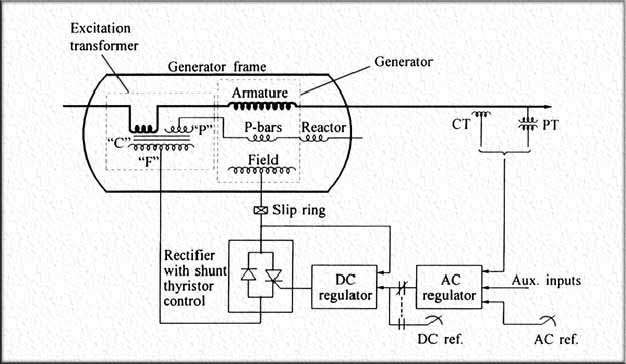
The excitation system models of a synchronous generator are mathematical representations that simulate the behavior and dynamics of the excitation system. These models are used in power system studies, stability analysis, and control design.
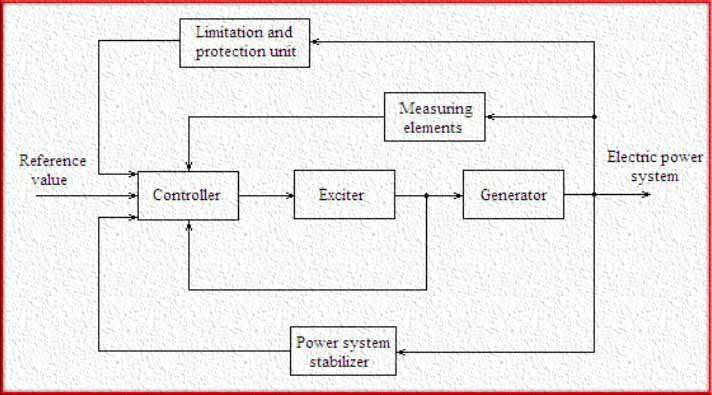
The excitation system of a synchronous generator is a critical component that ensures the generator produces and maintains the desired voltage and reactive power output. It consists of various components and control mechanisms that work together to regulate the generator’s field current, thereby creating a stable and consistent magnetic field in the rotor.
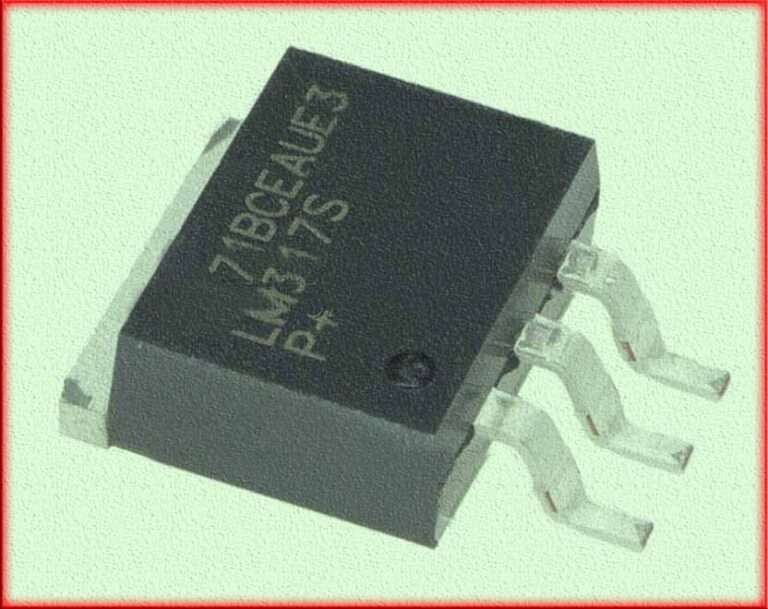
LM317S is a versatile and widely used integrated circuit (IC) voltage regulator. It is a three-terminal device that provides a constant output voltage despite changes in input voltage or load conditions. The LM317 is commonly used in electronic circuits to regulate and control the output voltage to power various components.
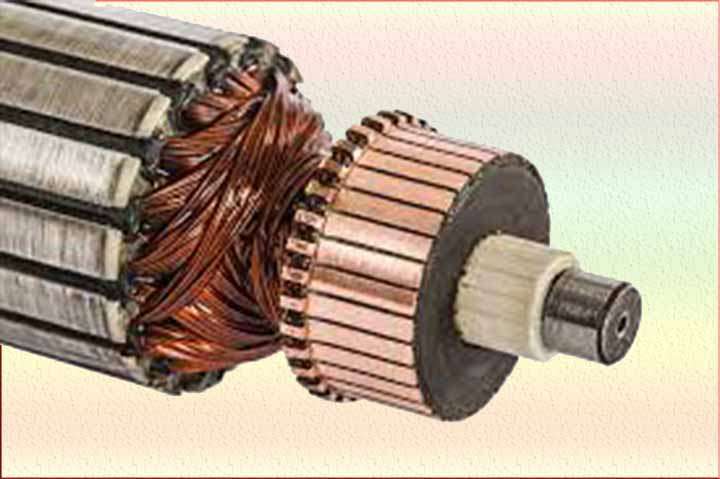
Demand factor for motor loads refers to the ratio between the actual power consumed by a group of motors and the maximum potential power that could be consumed if all the motors were running simultaneously at full load. It is an essential parameter used in electrical engineering and design to determine the total electrical demand of a system accurately.
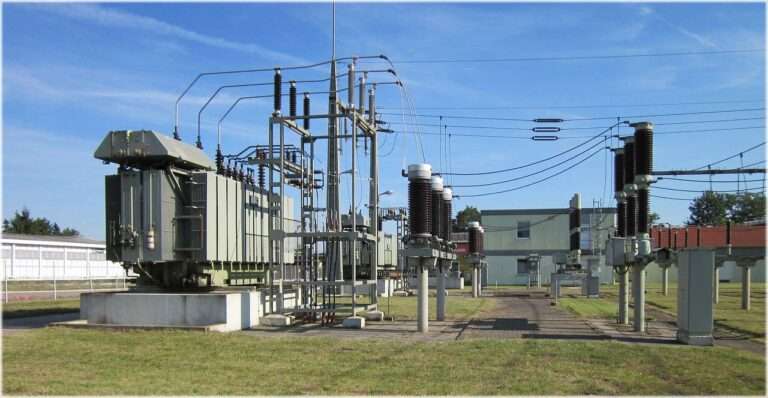
The NEC demand factor is a crucial component of electrical design, as prescribed by the National Electrical Code (NEC). By incorporating demand factors, electrical designers can accurately determine the expected maximum demand on an electrical system, ensuring safety and efficiency in electrical installations. In this article, we will delve into the concept of the NEC demand factor, its significance, and its application according to the NEC guidelines.
Demand factor example helps to determine the utilization or efficiency of specific equipment or systems. By calculating the demand factor, engineers can make informed decisions about equipment sizing, energy consumption, and resource allocation. In this article, we will explore a detailed demand factor example to illustrate its practical application and significance in electrical systems.
The difference between demand factor and diversity factor lies in their scope of analysis, with the former focusing on specific equipment utilization and the latter considering the collective behavior of all loads in the system.
Diversity Factor formula is defined by dividing the Total Maximum Demand (TMD) by the Actual Maximum Demand (AMD). Here’s the formula:
Diversity Factor Calculation involves determining the maximum demand or load on a system and comparing it to the sum of individual loads, considering the probability that they will not all operate simultaneously at their peak levels.
Diversity Factor in electrical load systems, refers to a measure that quantifies the variation or diversity in the operation of individual loads within a group. It represents the ratio between the sum of the individual maximum demands of loads and the maximum demand of the entire group.
The diversity factor refers to a ratio that is used in engineering and electrical systems to describe the relationship between the maximum demand of a group of loads and the sum of their individual maximum demands. It indicates the likelihood or probability that all loads within a group will not operate at their peak demand simultaneously.
Diversity Factor example will help us understand the applications in electrical engineering design. Diversity factor refers to the ratio of the sum of individual maximum demands to the maximum demand of the complete system.
Applications of Diversity Factor in electrical engineering design play a vital role in optimizing the electrical systems according to the demand. The diversity factor is typically expressed as the ratio of the sum of individual maximum demands to the maximum demand of the complete system.
| Cookie | Duration | Description |
|---|---|---|
| cookielawinfo-checkbox-analytics | 11 months | This cookie is set by GDPR Cookie Consent plugin. The cookie is used to store the user consent for the cookies in the category "Analytics". |
| cookielawinfo-checkbox-functional | 11 months | The cookie is set by GDPR cookie consent to record the user consent for the cookies in the category "Functional". |
| cookielawinfo-checkbox-necessary | 11 months | This cookie is set by GDPR Cookie Consent plugin. The cookies is used to store the user consent for the cookies in the category "Necessary". |
| cookielawinfo-checkbox-others | 11 months | This cookie is set by GDPR Cookie Consent plugin. The cookie is used to store the user consent for the cookies in the category "Other. |
| cookielawinfo-checkbox-performance | 11 months | This cookie is set by GDPR Cookie Consent plugin. The cookie is used to store the user consent for the cookies in the category "Performance". |
| viewed_cookie_policy | 11 months | The cookie is set by the GDPR Cookie Consent plugin and is used to store whether or not user has consented to the use of cookies. It does not store any personal data. |