NEC Code for EV Chargers: Article 625 Rules (2026 Guide)
The NEC code for EV chargers is mostly in Article 625, which covers the equipment and wiring that connect an electric vehicle to your electrical system. Add a few rules from Articles 210, 220 and 310, and you have everything an inspector checks: a dedicated circuit, 125% sizing for the continuous load, GFCI protection for plug-in chargers, and the right wire. This guide explains the NEC code for EV chargers in plain terms, answers whether you can use Romex, and covers Tesla, California and the 2023 and 2026 editions. A free one-page PDF cheat sheet is included.
Quick answer: Article 625 covers EV charging. The charger needs its own branch circuit, the breaker and wire must be at least 125% of the charger’s continuous current, receptacles for chargers need GFCI protection, and equipment rated over 60 amps needs a lockable disconnect.
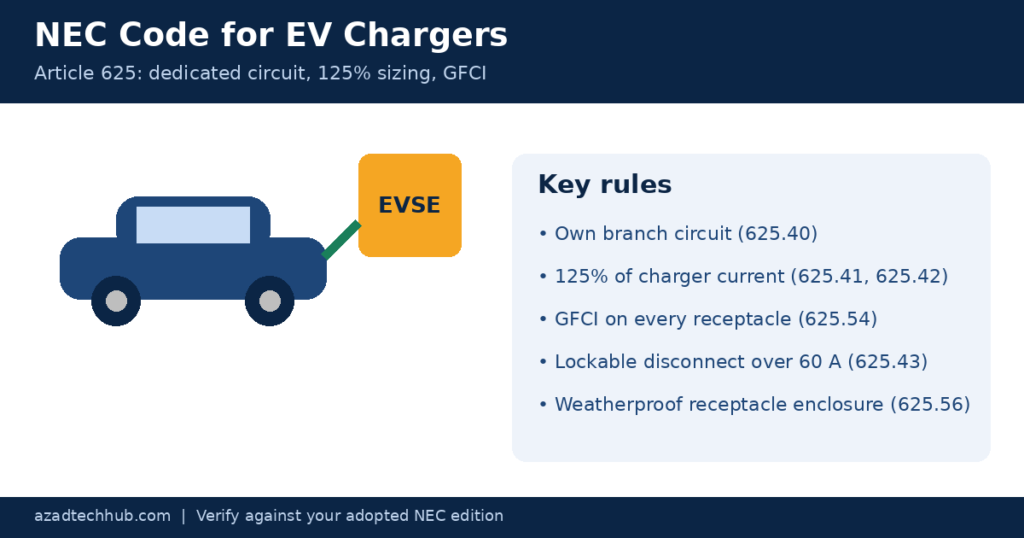
Table of Contents
Table of Contents
Which NEC Article Covers Electric Vehicle Charging Systems?
Article 625 is the NEC article for EV charging. In the 2020 and 2023 editions it is titled Electric Vehicle Power Transfer System, because it also covers vehicles that send power back to a building. So yes, EV chargers are covered by the NEC, and Article 625 is the first place to look. The NEC does not regulate the vehicle itself. It regulates the charger, its wiring and the connection to your service.
Other parts of the NEC apply alongside it. Article 220 treats EV charging as a load for service calculations, Article 310 sizes the conductors, and Article 210 covers branch circuits. Our NEC Article 220 guide explains how to count the load.
What Are the NEC Requirements for EV Chargers?
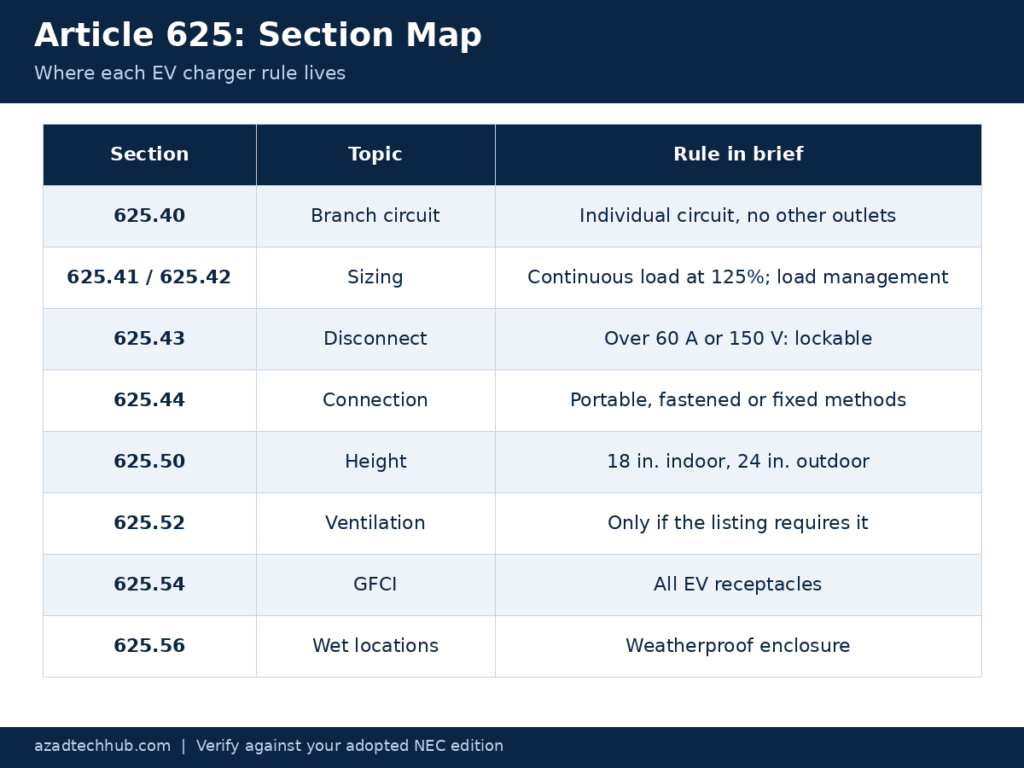
Here are the main requirements, in the order you meet them on a job:
| Rule | What it says | Section |
|---|---|---|
| Dedicated circuit | Each EV charger needs its own branch circuit with no other outlets | 625.40 |
| Continuous load | Counted at 125% when sizing the breaker and wire | 625.41, 625.42 |
| Disconnect | Over 60 A or over 150 V to ground needs a lockable disconnect | 625.43 |
| Connection | Portable, fastened-in-place and fixed chargers each have allowed methods | 625.44 |
| Height | Coupling means at least 18 in. indoors or 24 in. outdoors | 625.50 |
| Ventilation | Needed only for chargers listed as requiring it for indoor use | 625.52 |
| GFCI | Every receptacle for a charger needs GFCI protection | 625.54 |
| Wet locations | Receptacle enclosures must be weatherproof | 625.56 |
Section numbers shift between editions, so check the one your inspector enforces. The NEC code for EV chargers also relies on the charger’s listing and manufacturer instructions, so always follow both.
NEC Code for EV Chargers: Wire and Breaker Size (125% Rule)
EV charging counts as a continuous load, so the circuit must be rated for 125% of the charger’s maximum current. A 32 A charger needs a 40 A circuit. Here are common sizes for copper wire:
| Charger current | Breaker (125%) | Typical copper wire |
|---|---|---|
| 16 A | 20 A | 12 AWG |
| 24 A | 30 A | 10 AWG |
| 32 A | 40 A | 8 AWG |
| 40 A | 50 A | 6 AWG |
| 48 A | 60 A | 6 AWG THHN in conduit (75 C), or 4 AWG NM-B |
Treat this table as a guide only. Conductor ampacity depends on insulation, temperature, the terminals on the equipment (110.14), conduit fill and voltage drop. For help, use our EV charger cable size calculator and our AC cable size calculator.

Can I Use Romex for an EV Charger?
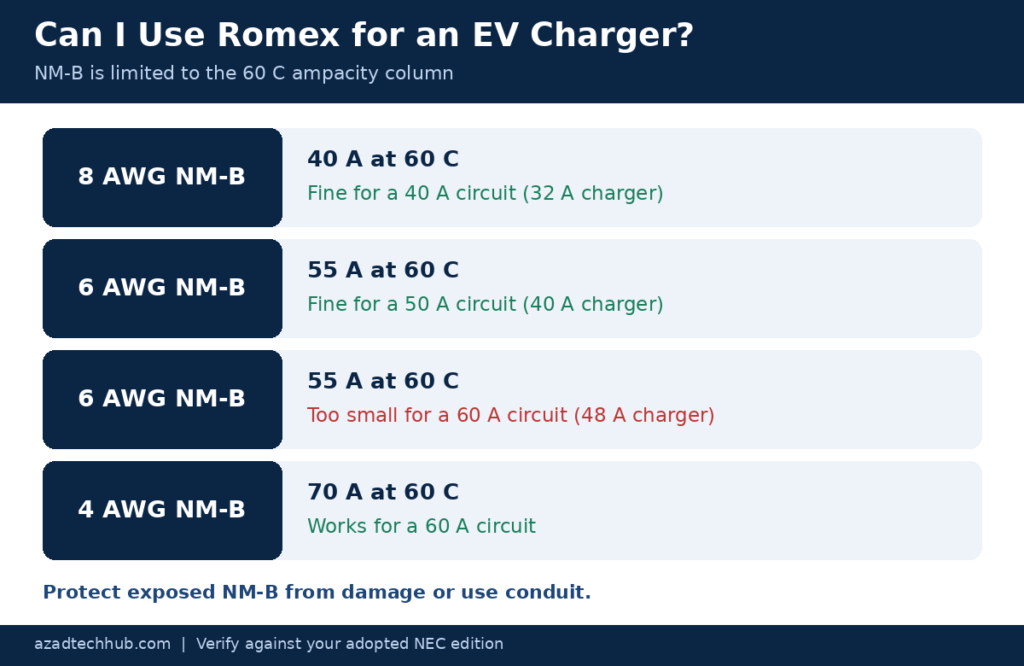
Often yes. Type NM-B cable is allowed in most dwellings, and many 32 A and 40 A charger circuits are wired with it. The limit is ampacity. NM-B is rated in the 60 C column (334.80), which is lower than THHN in conduit:
- 8 AWG NM-B: 40 A, enough for a 40 A circuit (32 A charger).
- 6 AWG NM-B: 55 A, enough for a 50 A circuit (40 A charger).
- 48 A charger on a 60 A circuit: 6 AWG NM-B is too small at 55 A. Use 4 AWG NM-B, or 6 AWG THHN in conduit.
NM-B also needs physical protection where it is exposed, such as a garage wall below a certain height, so many installers use conduit for the visible run. Our guide to the NEC article for conduit fill shows how many conductors fit in the pipe.
GFCI and NEMA 14-50 Outlets
Under 625.54, every receptacle installed for a charger needs GFCI protection. That includes a NEMA 14-50 outlet, so the usual fix is a 2-pole GFCI breaker. A hardwired charger has no receptacle, but many have built-in ground-fault protection. Read our guide to hardwired vs plug-in EV chargers and our NEC article 210.8 A for the GFCI locations in a garage.
NEC Code for EV Chargers 2021, 2023 and 2026
There is no 2021 NEC. When people search for the NEC code for EV chargers 2021, they usually mean the 2020 edition, which many states still use. The table shows what changed since:
| Edition | Notable EV changes |
|---|---|
| 2020 | GFCI protection for all EV charger receptacles; article retitled for power transfer |
| 2023 | Load management rules in 625.42; adjustable settings; bidirectional (power export) rules in 625.48 |
| 2026 | Reported: multiple chargers on one circuit with energy management, and a new Article 624 for non-road EVs |
The 2023 NEC EV charger requirements also expanded how load management systems can limit the service load. Read the code free on NFPA’s free access page.
NEC Code for EV Chargers for Tesla
A Tesla Wall Connector follows the same NEC code for EV chargers as any other charger. A 48 A setting needs a 60 A circuit, and Tesla’s installation manual lists the wire and breaker sizes it accepts. A Tesla Mobile Connector on a NEMA 14-50 needs the GFCI protection described above. Follow the product manual and the NEC together, and check our Level 2 charger guide for charger options.
NEC Code for EV Chargers California
California adopts the NEC with state amendments as the California Electrical Code, so the rules above apply with local changes. New construction often also needs EV-capable or EV-ready parking spaces, meaning you install the conduit or circuit ahead of time. Confirm the current California edition and your city’s amendments before you start.
NEC Code for EV Chargers: Common Reddit Questions
Forum threads keep returning to the same questions:
- Do I need a permit? Almost always yes. An inspector checks the NEC code for EV chargers on your installation.
- Can I put the charger on my dryer circuit? Only if the circuit is rated and protected for the charger at 125% and your inspector allows it.
- Plug-in or hardwired? Hardwired avoids the GFCI-outlet question and can support higher amps.
- Do I need a service upgrade? Run a load calculation under 220.57 and 625.42 first. Use our EV charger load calculation tool.
Free PDF: NEC Article 625 Cheat Sheet
The NEC is copyrighted, so we do not host its text. Download our one-page summary of the NEC code for EV chargers in our own words:
Gear for EV Charger Installs
As an Amazon Associate I earn from qualifying purchases, at no extra cost to you. See our affiliate disclosure.
- A charger: compare picks in our best Level 2 EV charger guide or read the Wolfbox 40 amp review.


- Wire: 6 AWG or 8 AWG copper for the run.
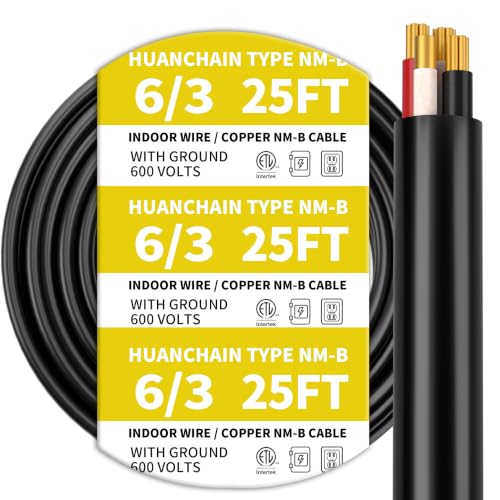
- Built with premium 6 AWG 3 conductors plus pure stranded copper ground core, this NM-B wire ensures superior electrical …
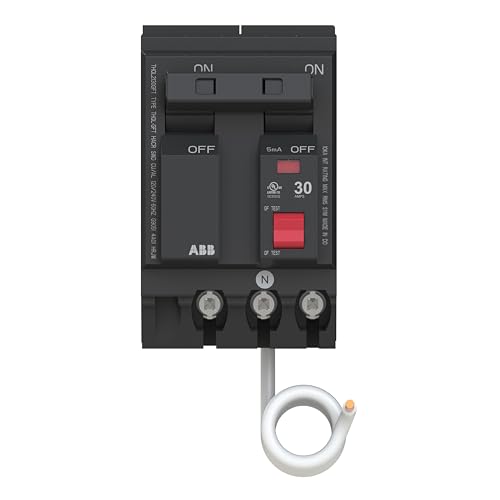
- GFCI breaker: 2-pole, Class A, for a 14-50 outlet.
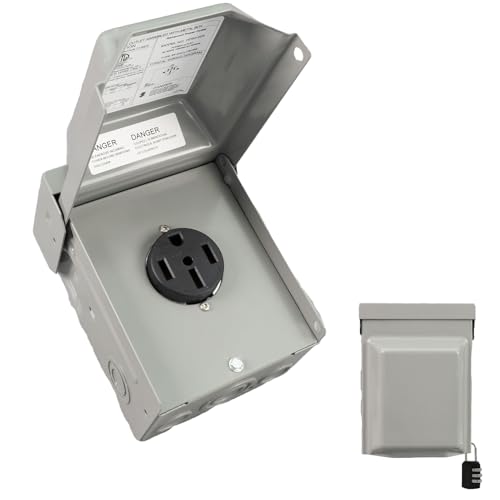
- NEMA 14-50 outlet and cover: a heavy-duty receptacle with weatherproof cover.
- Tools: a torque screwdriver and tester. See our voltage tester reviews.

Frequently Asked Questions
What are the NEC requirements for EV chargers?
A dedicated circuit, 125% sizing for the continuous load, GFCI protection for receptacles, a lockable disconnect over 60 A, and installation per the listing (Article 625).
Which NEC article covers electric vehicle charging systems?
Article 625.
Can I use Romex for an EV charger?
Yes for many circuits up to 50 A, but check the NM-B ampacity at 60 C, and use conduit or heavier wire for a 60 A circuit.
Conclusion
The NEC code for EV chargers comes down to Article 625, the 125% rule, GFCI protection and correct wire. Size the circuit from the charger’s current, check your edition, and confirm local rules. Use the cheat sheet, and run your numbers in the EV charger cable size calculator.
Get new guides in your feed. Follow Electrical Insights on LinkedIn for new electrical standards guides, calculators and design tips from Azad Circuit Hub.