
How to Use a GFCI Outlet Tester: Step-by-Step Guide
Learn how to use a GFCI outlet tester to check wiring, test ground faults, verify outlet safety, and troubleshoot common electrical problems.
Reviews, comparisons, and how-to guides for the voltage testers electricians, inspectors, and homeowners use most: non-contact voltage pens, Fluke two-pole electrical testers, and GFCI outlet testers. Start with the picks below, or jump to a section.
Non-contact voltage testers are quick screening tools for finding live wires without touching conductors. Two-pole testers such as the Fluke T6 and T5 give a measured reading and are the better choice for confirming a circuit is de-energized. Outlet testers check wiring and GFCI function at receptacles, but they don’t measure voltage the way a meter does. Match the tester’s CAT rating to your environment, and always prove your tester on a known live source before and after checking a circuit you intend to work on.
As an Amazon Associate we earn from qualifying purchases. See our affiliate disclosure.
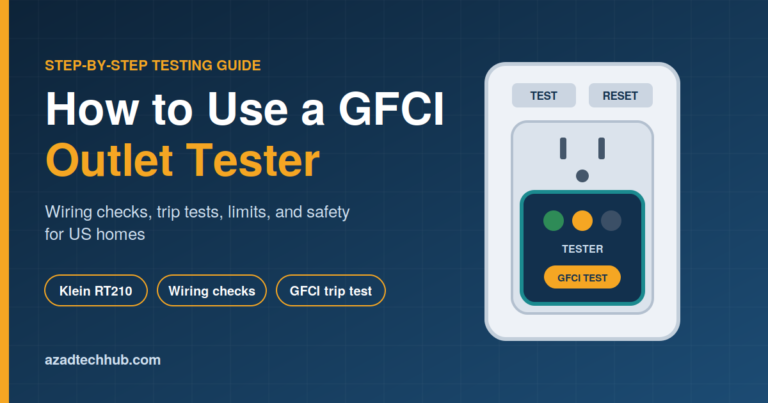
Learn how to use a GFCI outlet tester to check wiring, test ground faults, verify outlet safety, and troubleshoot common electrical problems.
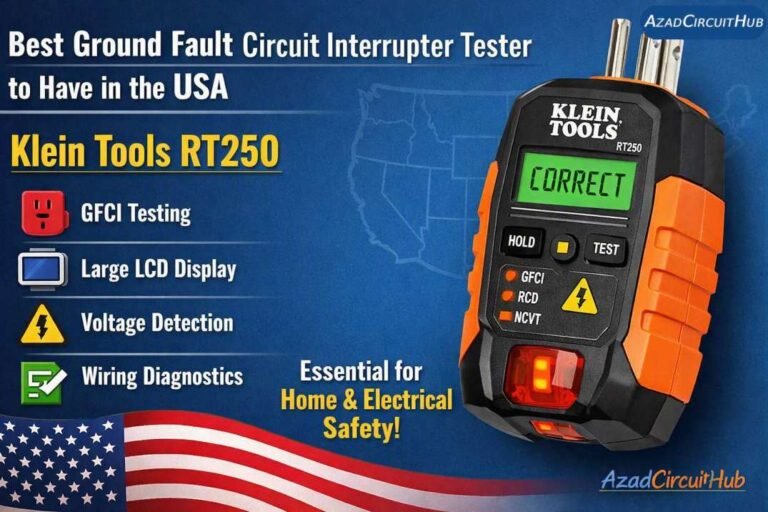
Best Ground Fault Circuit Interrupter Tester in the USA: compare top GFCI testers, safety features, outlet testing, accuracy, and buying tips.
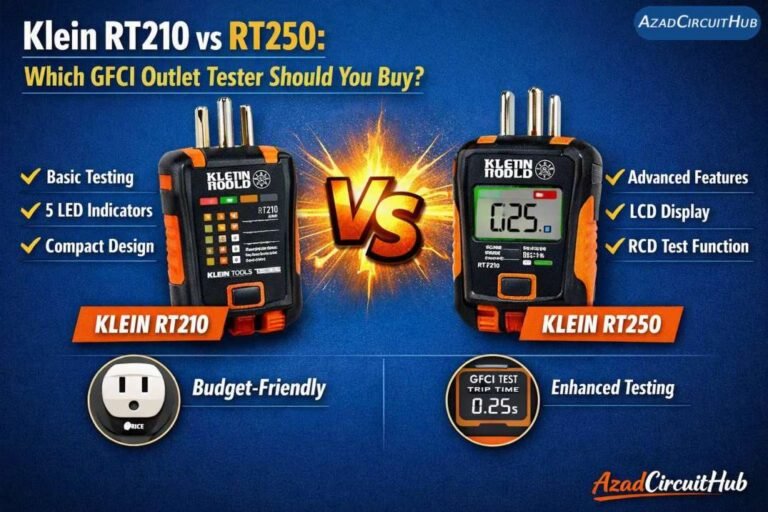
Klein RT210 vs RT250 comparison covering GFCI testing, wiring fault detection, features, accuracy, and key differences to help you choose.
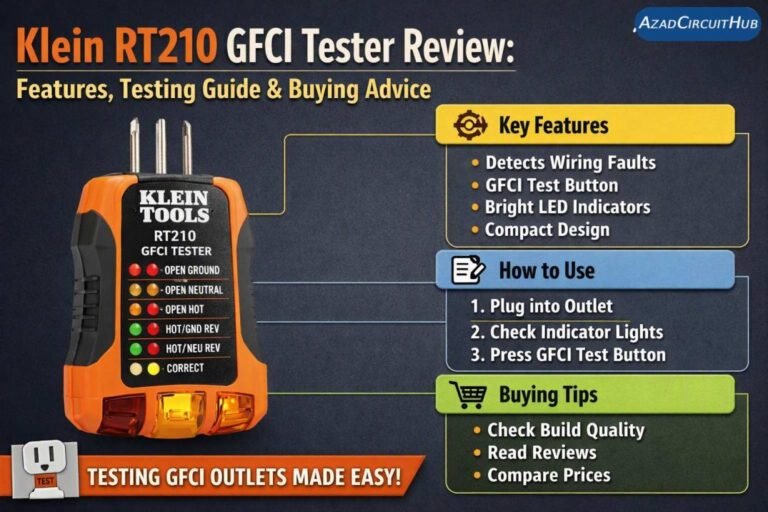
Klein RT210 GFCI Tester Review covering features, GFCI testing, outlet wiring checks, accuracy, safety, and buying advice for electricians.
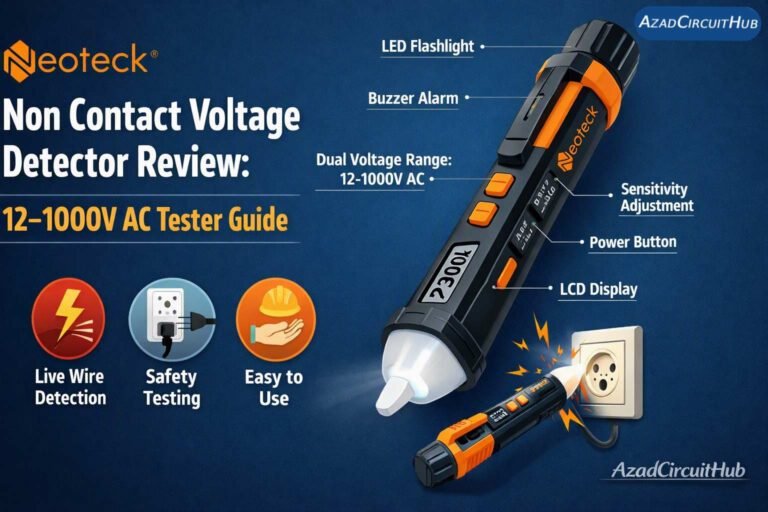
Neoteck Non Contact Voltage Detector review covering 12–1000V AC detection, sensitivity, safety features, accuracy, usability, and key buying factors.
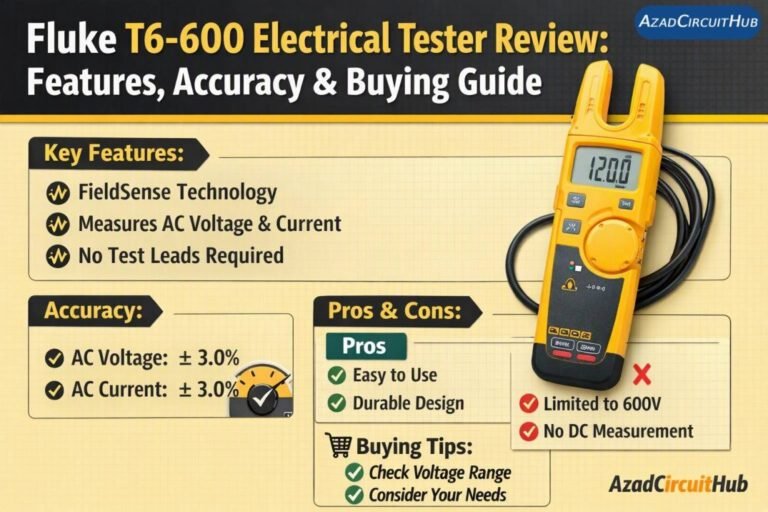
Fluke T6-600 Electrical Tester review covering features, accuracy, FieldSense technology, safety ratings, pros, cons, and buying considerations.
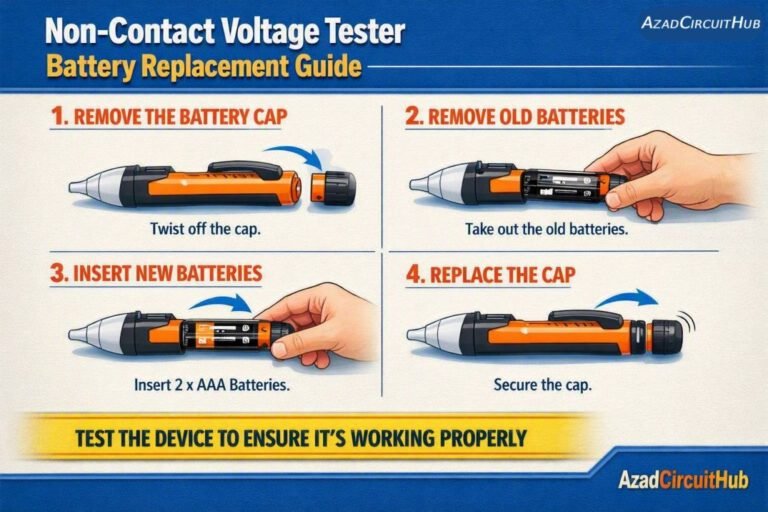
Learn Non-Contact Voltage Tester Battery Replacement with step-by-step instructions, battery types, safety tips, testing methods, and common issues.

Non-Contact Voltage Tester Beeps Once? Learn the common causes, troubleshooting steps, battery checks, sensitivity issues, and electrical safety fixes.
Non-Contact Voltage Tester Blinking Blue? Learn what the blue light means, common causes, troubleshooting steps, battery checks, and safety tips.
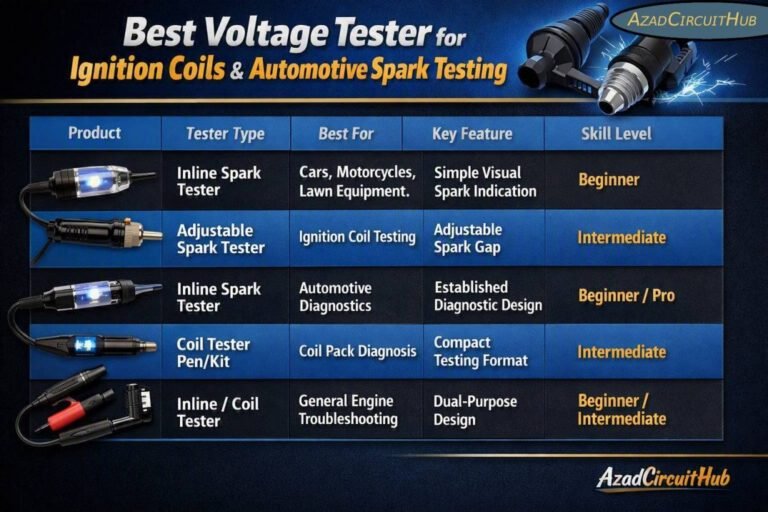
Find the Best Voltage Tester for Ignition Coils & Automotive Spark Testing. Compare features, accuracy, safety, and top automotive testers for spark diagnosis.
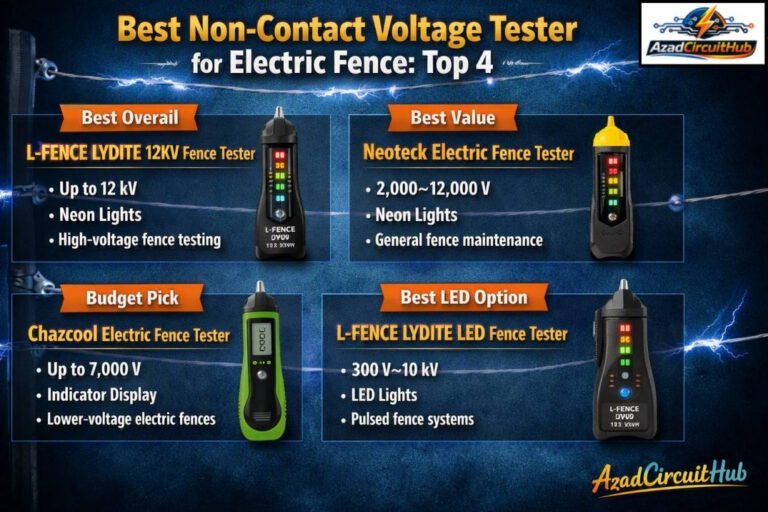
Best Non-Contact Voltage Tester for Electric Fence: compare 4 reliable testers for fence voltage detection, safety, accuracy, and easy troubleshooting.
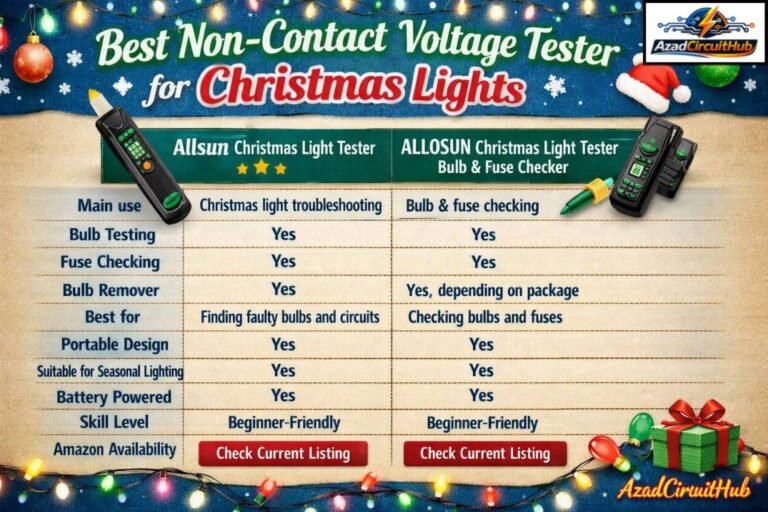
Find the Best Non-Contact Voltage Tester for Christmas Lights. Compare safe voltage detectors for holiday lighting, troubleshooting, and electrical testing.
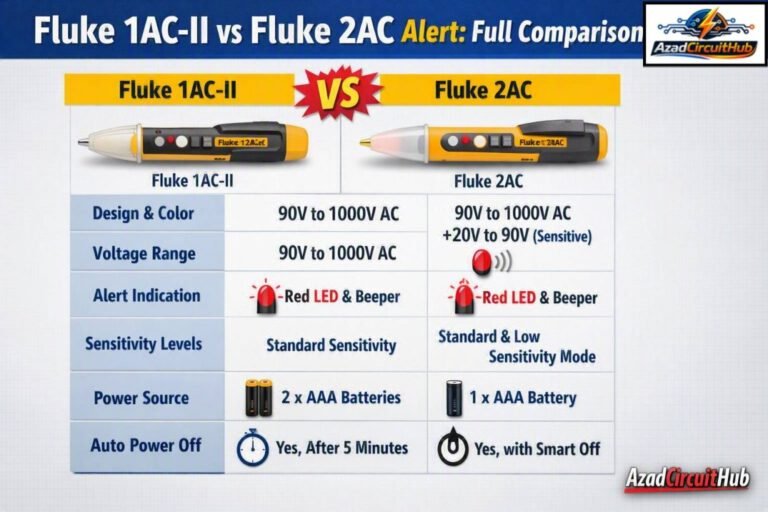
Compare Fluke 1AC-II vs Fluke 2AC Alert for voltage detection, sensitivity, safety features, battery life, and everyday electrical testing.
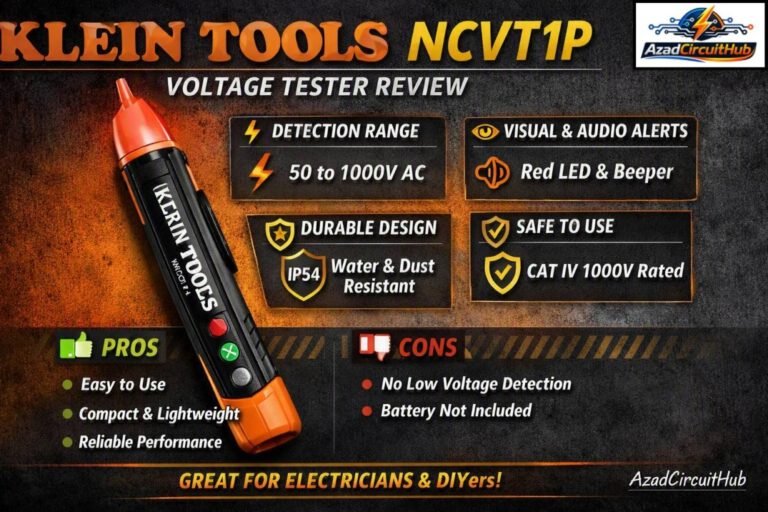
Klein Tools NCVT1P Voltage Tester Review covering features, safety, accuracy, AC voltage detection, pros, cons, and whether this non-contact tester is worth buying.

Klein Tools RT250 Review: See its GFCI outlet testing, wiring fault detection, features, accuracy, pros, cons, and value for electricians.
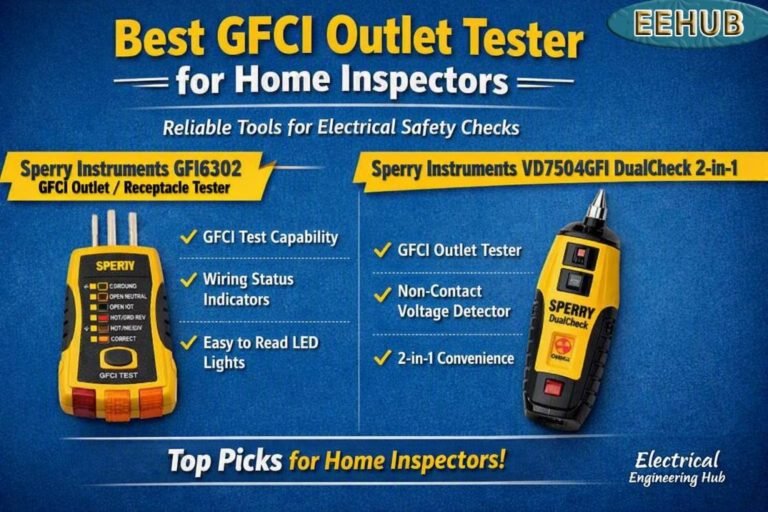
Best GFCI Outlet Tester for Home Inspectors—compare reliable outlet testers, GFCI testing features, voltage detection, safety, and inspection performance.

Fluke T6-1000 Pro vs Fluke 325 compared for accuracy, features, safety, clamp measurement, voltage testing, and the best electrical tester for professionals.
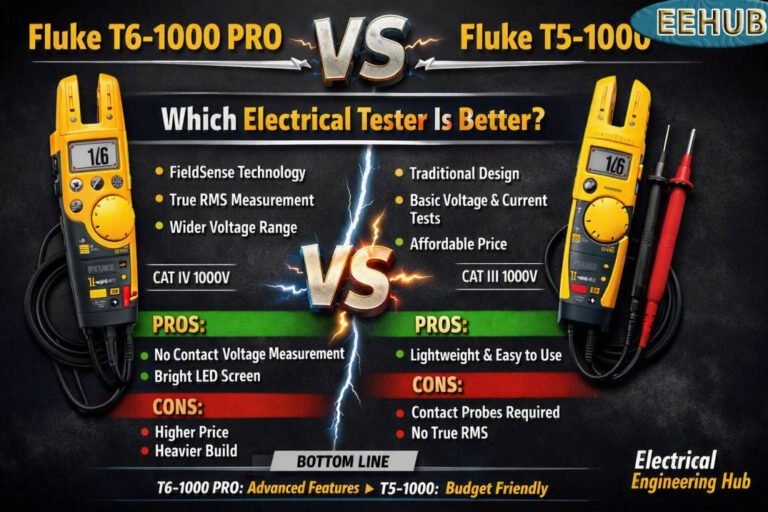
Fluke T6-1000 PRO vs Fluke T5-1000 compared for voltage testing, current measurement, features, safety, and electrician use. Find the better tester.
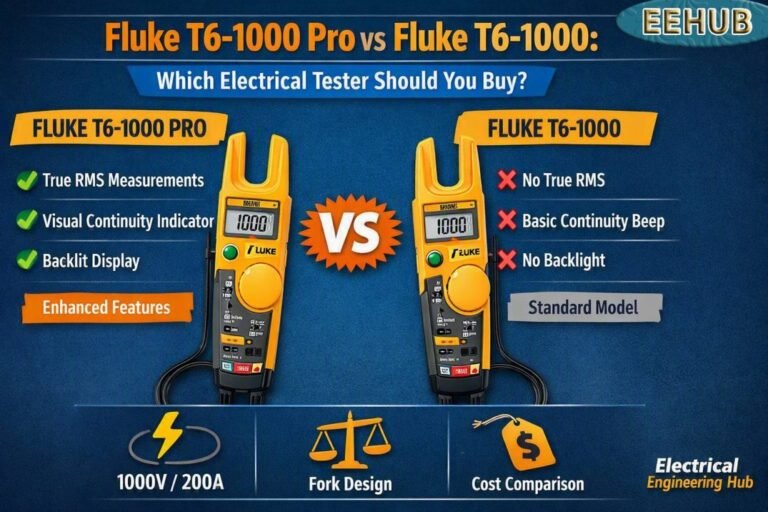
Fluke T6-1000 Pro vs Fluke T6-1000: compare electrical testers, voltage measurement, accuracy, safety features, and performance to choose the right tool.
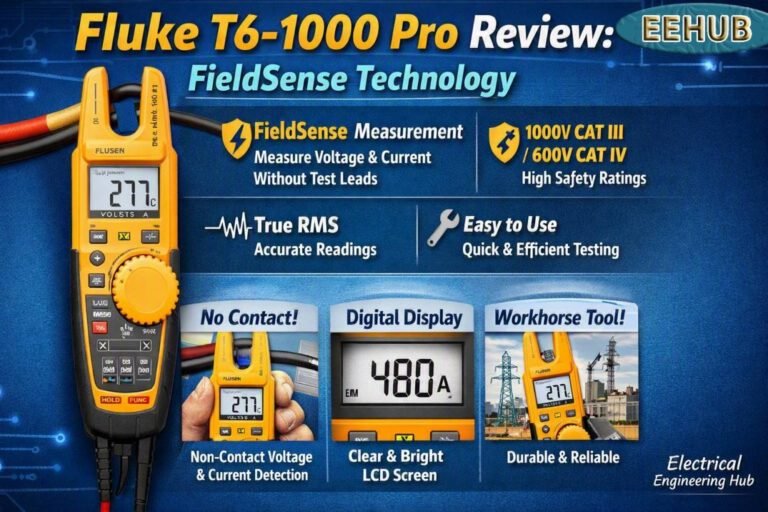
Fluke T6-1000 Pro Review covering FieldSense technology, voltage testing, current measurement, safety features, accuracy, and electrician performance.
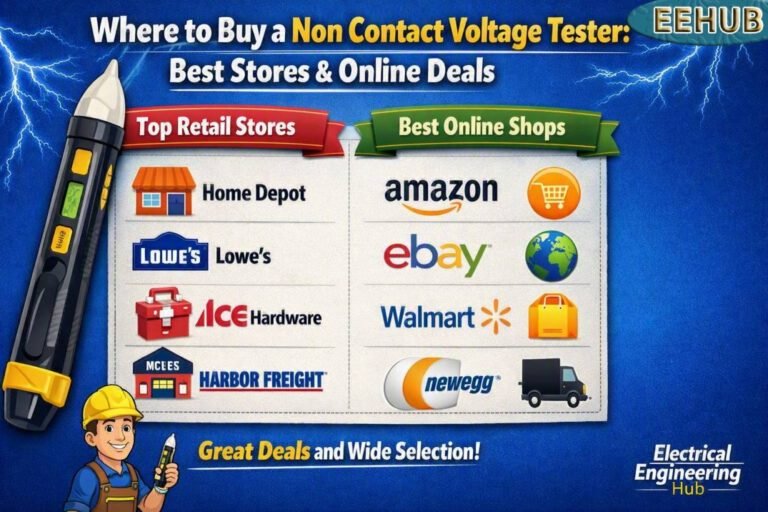
Where to Buy a Non Contact Voltage Tester at Home Depot, Lowe’s, Amazon, Walmart and more. Compare prices, brands, features and buying options.
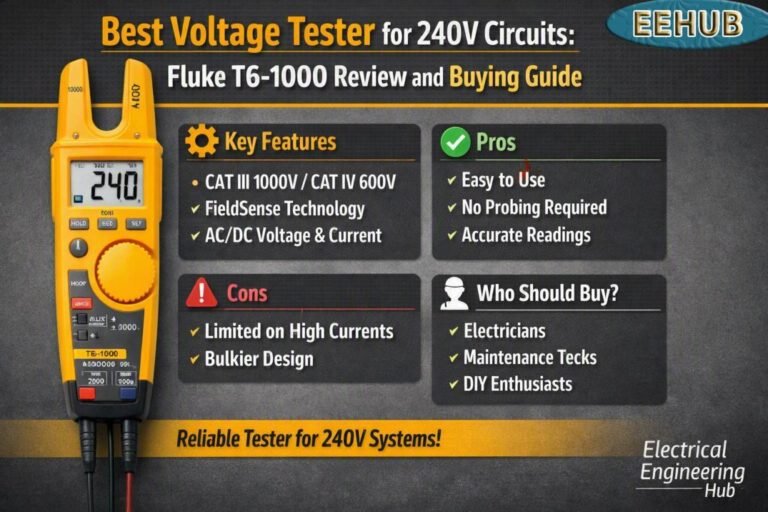
Find the best voltage tester for 240V circuits with our Fluke T6-1000 review. Compare features, safety ratings, voltage testing methods, pros, cons, and buying tips.
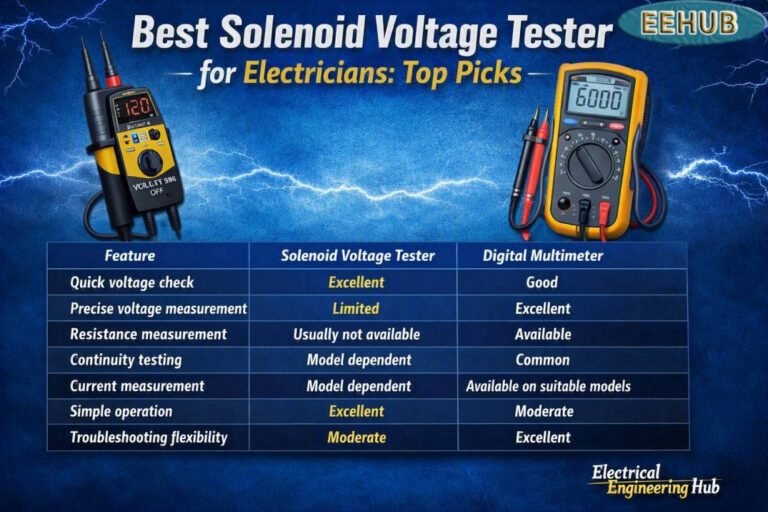
Find the best solenoid voltage tester for electricians with top picks for accurate voltage testing, safety, durability, and reliable electrical troubleshooting.
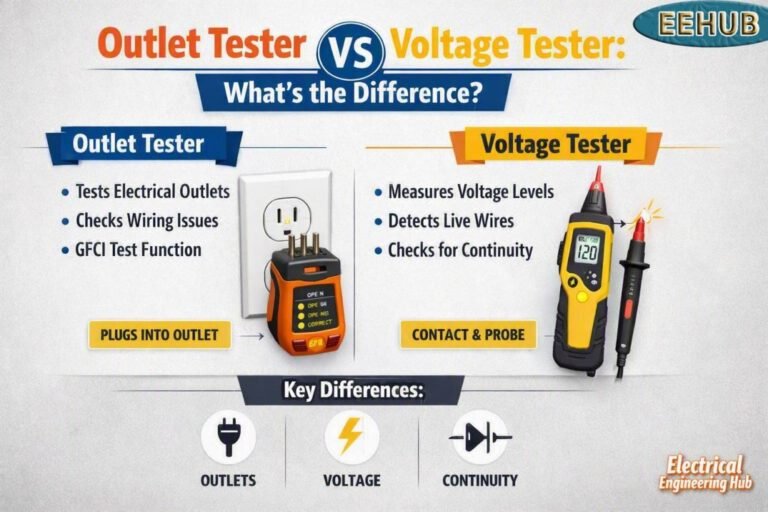
Outlet Tester vs Voltage Tester explained in detail. Learn the key differences, working principles, accuracy, safety features, best use cases, and which tester is right for DIY homeowners and professional electricians.
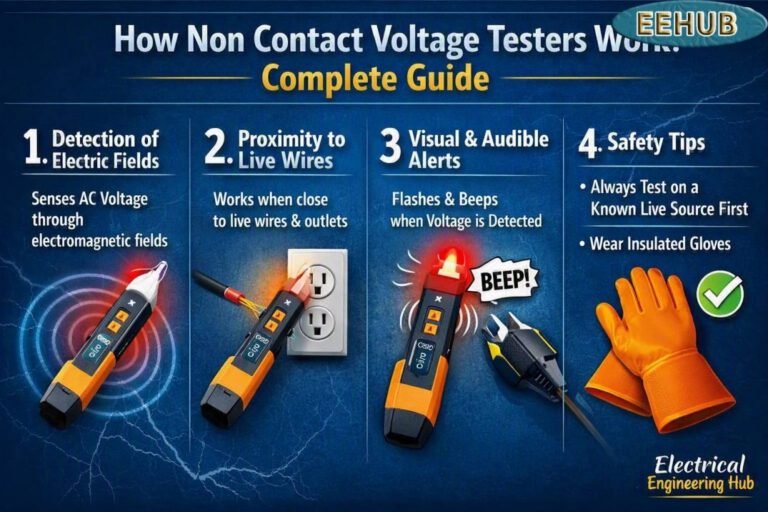
Learn how non contact voltage testers work with this complete guide. Understand the working principle, safety features, limitations, testing methods, and how to choose the best non-contact voltage tester for reliable electrical troubleshooting.
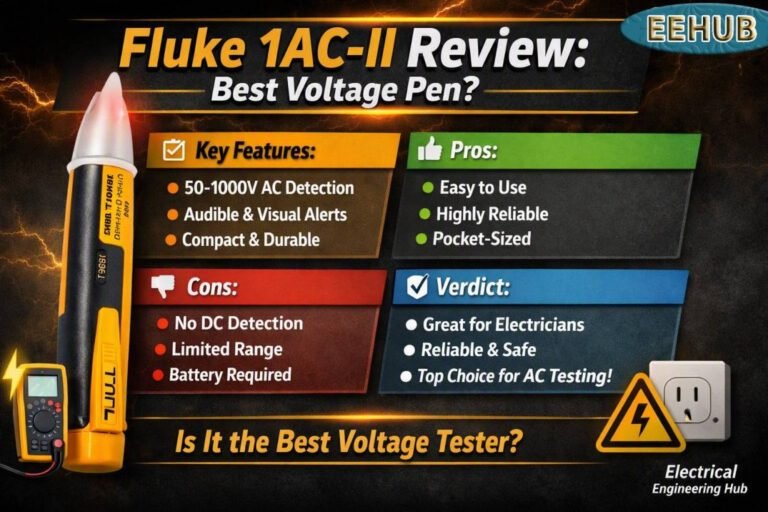
Fluke 1AC-II Review covers performance, accuracy, safety features, pros and cons, and real-world testing to help you decide if this non-contact voltage pen is the best choice for electricians, DIY users, and homeowners in 2026.
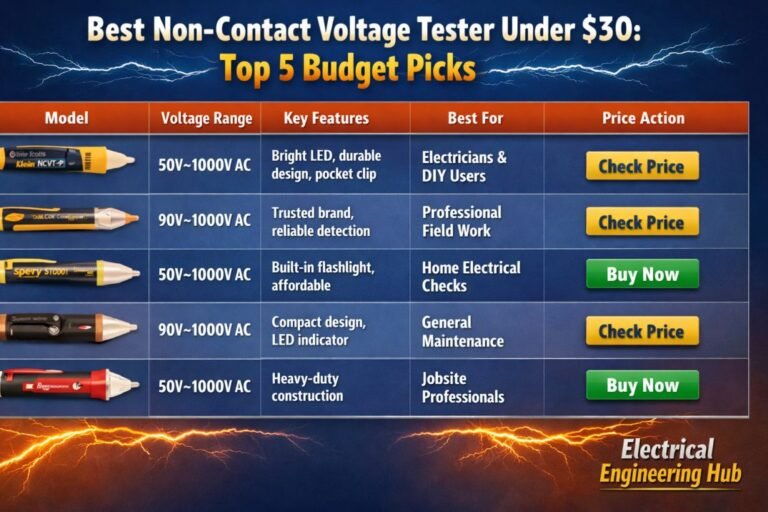
Find the Best Non-Contact Voltage Tester Under $30 with our expert-reviewed list of 5 budget picks. Compare features, accuracy, safety ratings, and value to choose the right voltage detector for home and professional electrical work.

Best Voltage Tester for Homeowners – Compare the top non-contact and digital voltage testers for safety, accuracy, and ease of use. Discover expert picks, key features, buying tips, and find the right tester for DIY electrical work.
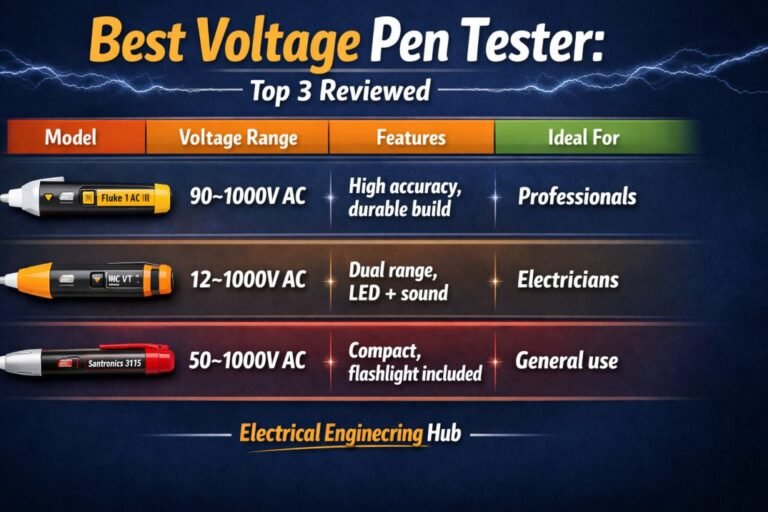
Best Voltage Pen Tester helps detect live wires safely and quickly. Find reliable options, features, and buying tips for electricians.
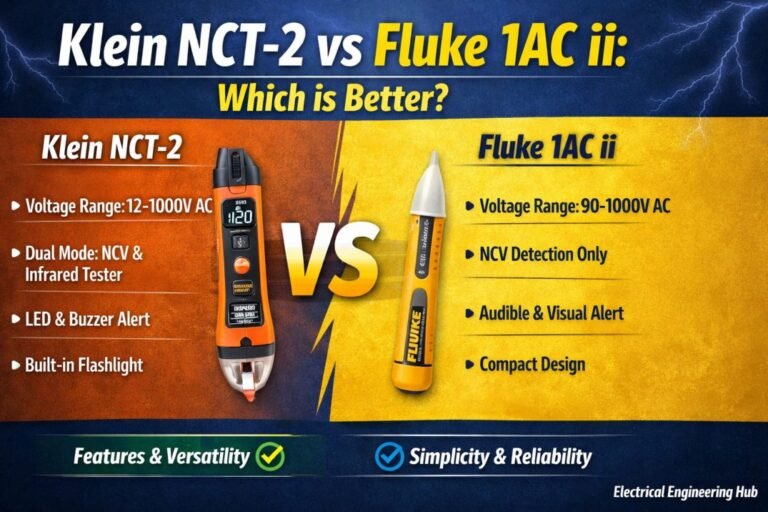
Klein NCT-2 vs Fluke 1AC ii comparison of non-contact voltage testers, accuracy, safety features, and performance to help you choose the best tool.