
Infrared Sensors: Unveiling the Power of Invisible Light
In the dynamic field of sensing technologies, Infrared Sensors emerge as…
Empower your understanding of electrical power with Electrical Hub’s comprehensive category. Explore the core principles, generation methods, and distribution of electrical power. Stay current with industry trends and best practices for efficient and reliable power management

In the dynamic field of sensing technologies, Infrared Sensors emerge as…
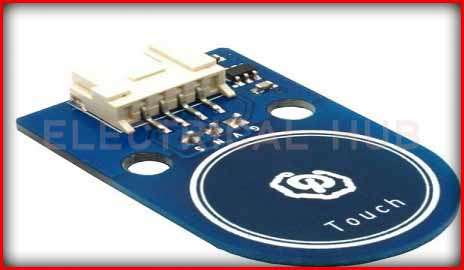
In our increasingly interconnected and digital era, touch sensors stand as silent conduits between the tangible and the virtual.
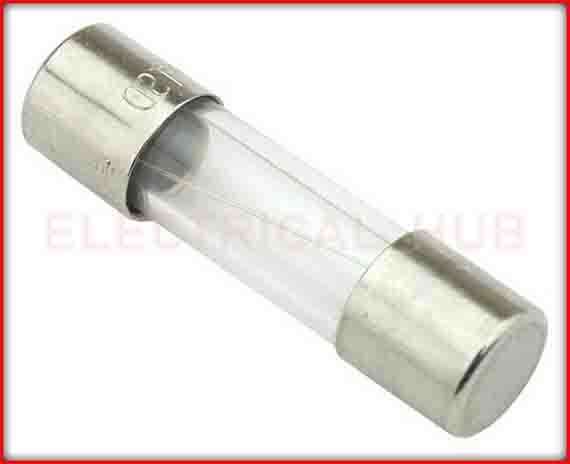
Fast blow vs slow blow fuse refers to two distinct types of fuses employed in electrical circuits, each with unique characteristics that cater to specific operational needs and protection requirements.
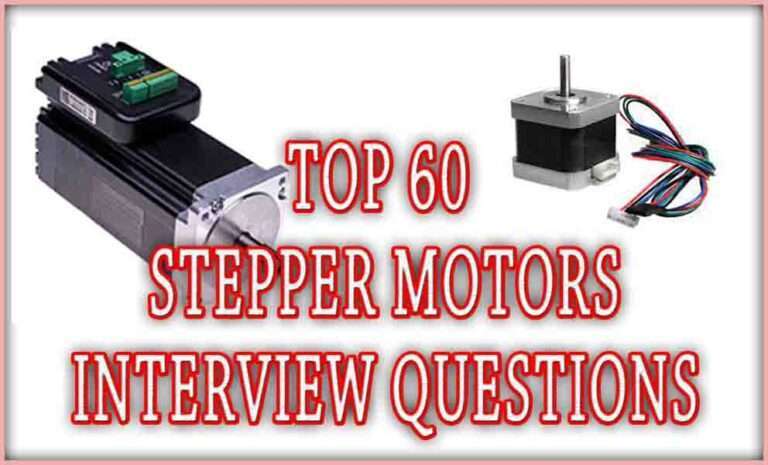
Candidates preparing for these interviews face a diverse array of challenges encapsulated within Stepper Motor Interview Questions, illuminating the multifaceted nature of these motors and their pivotal role in various industries.
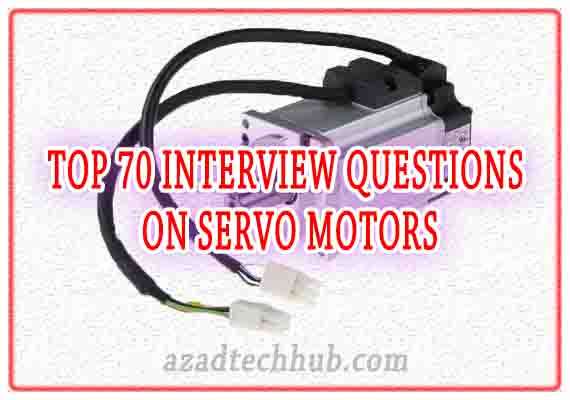
The terrain of Servo Motor Interview Questions embodies a comprehensive evaluation that transcends mere technical knowledge, delving into the nuanced understanding and practical application of these precise, motion-controlling devices.
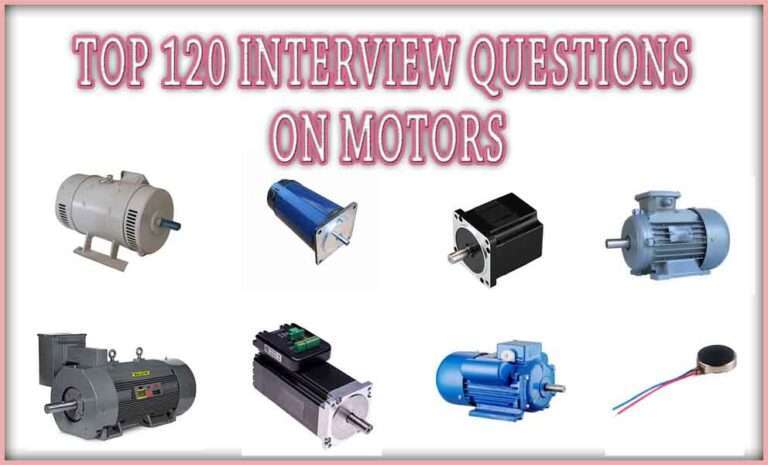
The landscape of Interview Questions on Motors encompasses a wide spectrum of inquiries, probing candidates’ knowledge on various types of motors, their operational principles, applications across industries, and intricacies in control and maintenance.
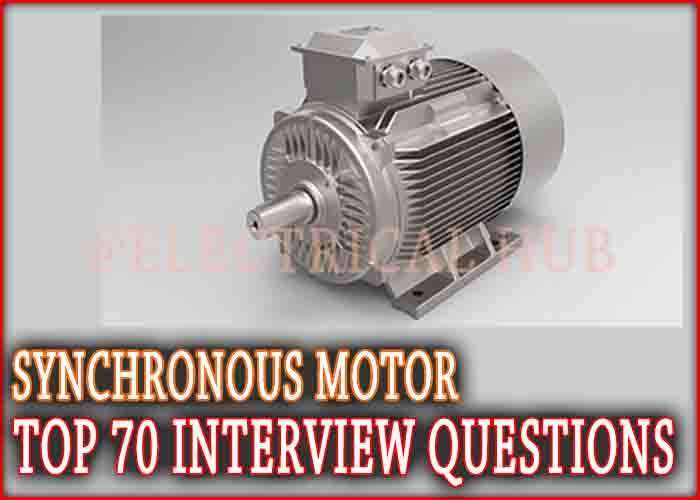
Aspiring candidates preparing for such interviews encounter a spectrum of Synchronous Motor Interview Questions, designed to assess their comprehension, problem-solving skills, and practical knowledge in this specialized field.
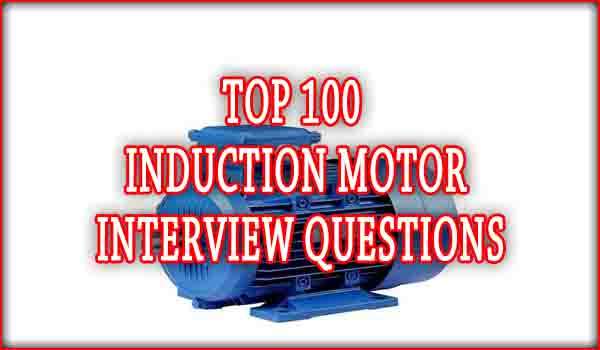
Navigating through induction motor interview questions is like embarking on an exploration of how machines work and how well we understand them. These questions aren’t just random queries; they’re more like a test that checks how deep we dive into the world of motors.
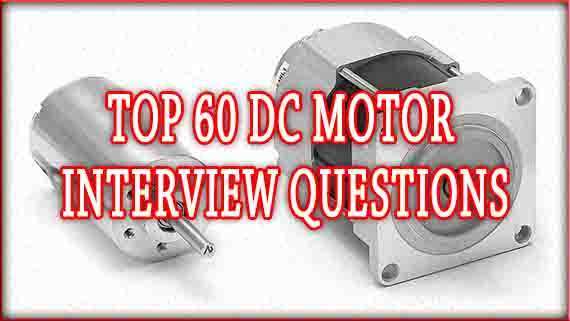
In navigating the realm of DC motor interview questions, candidates often encounter a spectrum of inquiries that span the intricacies of motor functionality, applications, and maintenance.
The Manifold Absolute Pressure sensor, commonly known as the MAP sensor, plays a pivotal role in regulating fuel injection in an engine. Functioning as an indirect airflow meter, it interprets vital signals for the engine’s fundamental fuel injection control.
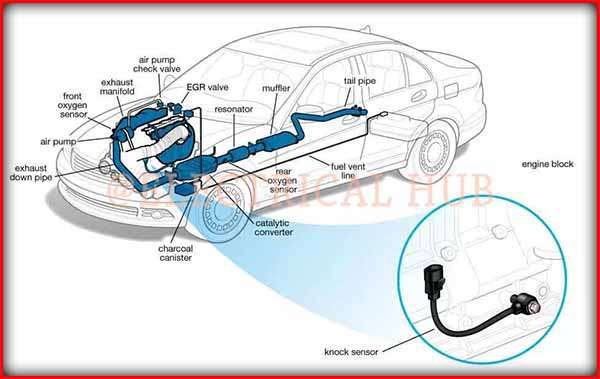
In the realm of internal combustion engines, a crucial yet understated component exists: the Knock Sensor. These unassuming devices serve a pivotal function, detecting the subtlest signs of engine knock and safeguarding the vehicle’s core mechanisms.

Let’s take a deep dive into the Kyoto Agreement vs Paris Agreement, two essential worldwide treaties that take at the pressing problem of climate exchange. Although their common intention is to fight worldwide warming, these agreements appoint pretty distinct methods and necessities.

The Kyoto Protocol, mounted in 1997, stands as a historic milestone in the worldwide effort to fight weather change. This international agreement, under the United Nations Framework Convention on Climate Change (UNFCCC), introduced binding emission discount targets for developed nations.
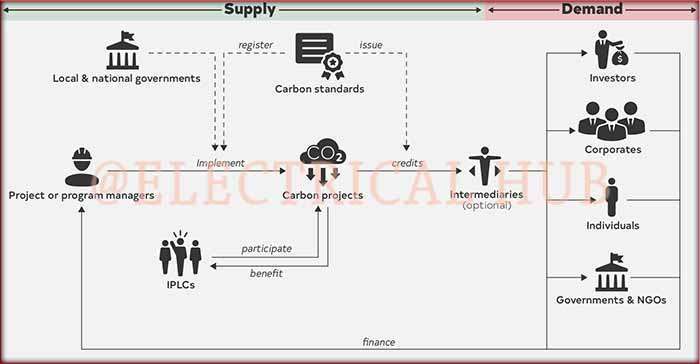
Carbon credits have emerged as a critical weapon in the global fight against climate change. These credits provide a realistic way to cut greenhouse gas emissions while also promoting sustainability. In this post, we will look at the notion of carbon credits, the Clean Development Mechanism (CDM), and the certification process for selling carbon credit.