
Utility Factor in a Power Plant: 3 Important Examples
Another name for the utility factor in a power plant is the utilization factor. It is a crucial performance indicator showing how well the facility uses its electricity production.
Empower your understanding of electrical power with Electrical Hub’s comprehensive category. Explore the core principles, generation methods, and distribution of electrical power. Stay current with industry trends and best practices for efficient and reliable power management
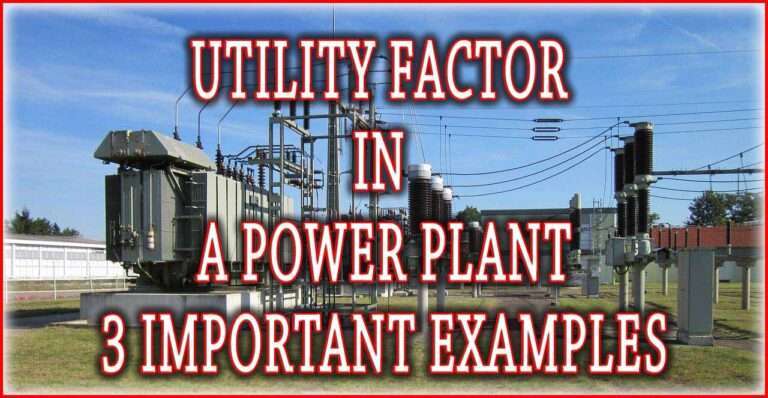
Another name for the utility factor in a power plant is the utilization factor. It is a crucial performance indicator showing how well the facility uses its electricity production.

Plant Factor is a key performance metric for power plants, which compares the actual amount of electricity generated to the maximum amount that might be produced under perfect circumstances. It offers perceptions of the dependability and operational efficiency of power-producing plants.
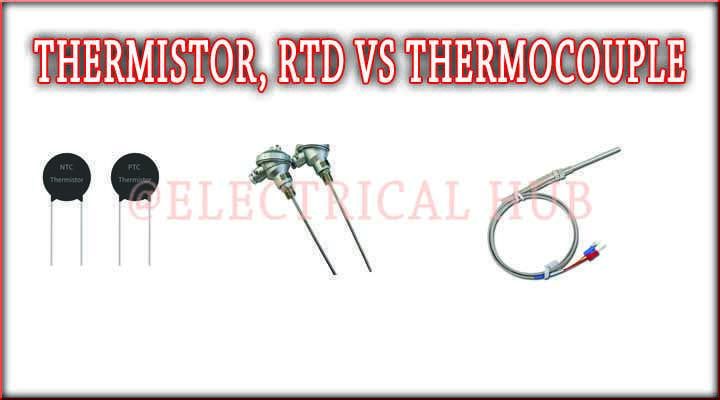
We will explore the differences between thermistor vs RTD vs thermocouple, focusing not only on commonly discussed features but also on technical distinctions
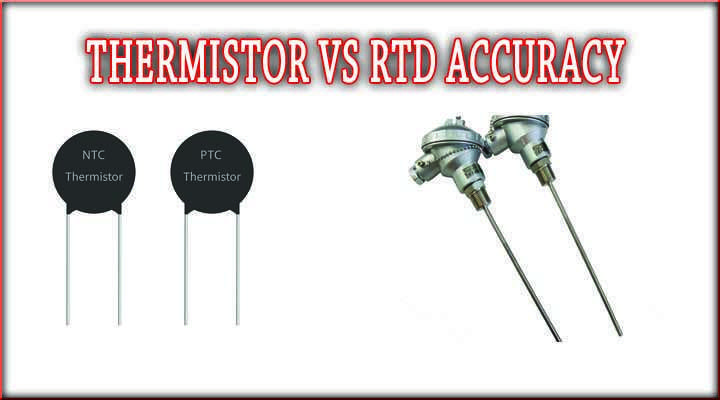
Thermistors and RTDs are two types of temperature sensors. We will explore the differences in thermistor vs RTD accuracy, highlighting both well-known and technical distinctions.
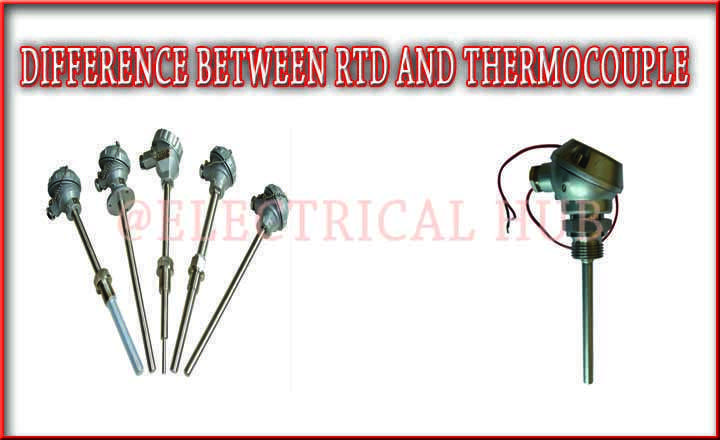
RTDs and Thermocouples have the same function of temperature measurement but there is a significant difference between RTD and thermocouple when we study the design
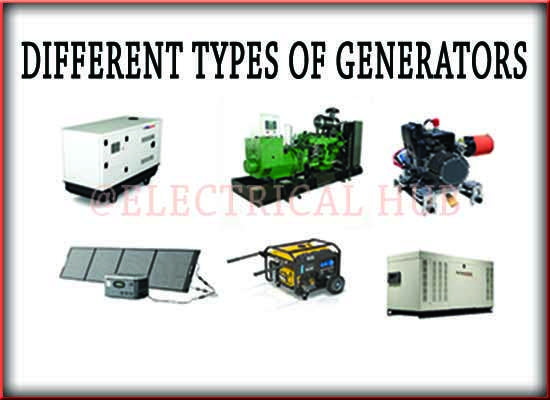
Types of generators can be categorized based on their fuel sources. Generators are machinery that uses electromagnetic induction to transform mechanical energy into electrical energy. They are made up of a moving component called the rotor or armature and a fixed component called the stator.
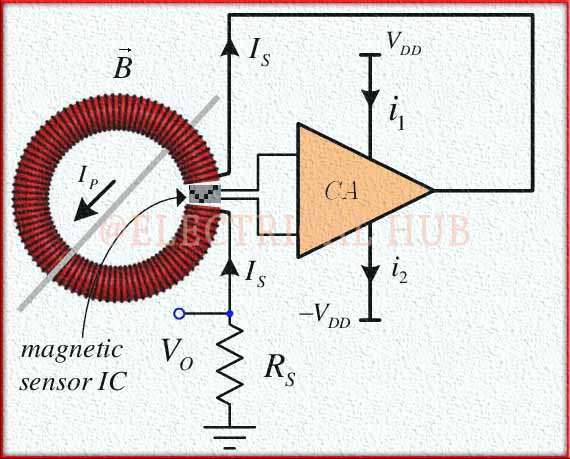
At the heart of the DC current transformer working principle is its core and coil arrangement. Similar to AC transformers, DC current transformers consist of a magnetic core and primary and secondary windings. The primary winding, typically consisting of a single turn or a few turns of a thick conductor, is connected in series with the DC circuit carrying the current to be measured.
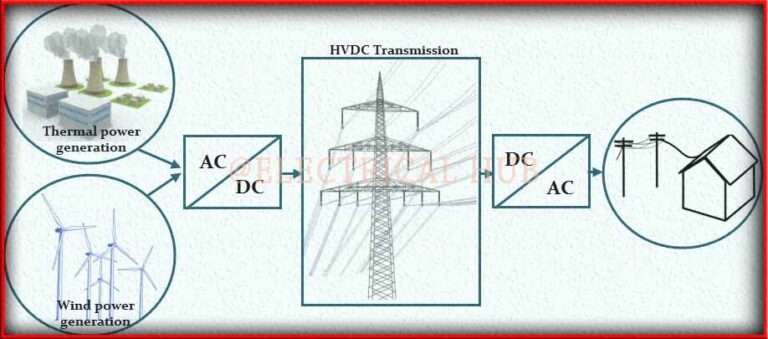
HVDC Transmission is transforming long-distance power transfer with higher efficiency and stability. Learn its important components, working principles, and practical applications in modern power grids.
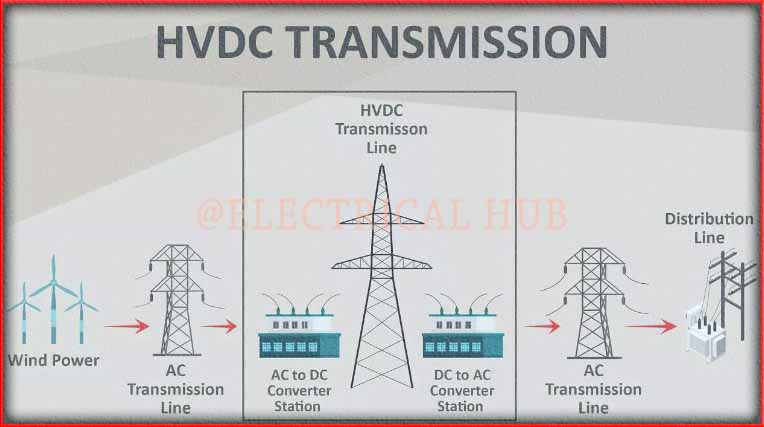
The effectiveness and adaptability of High-Voltage Direct Current (HVDC) transmission systems in the long-distance transmission of electrical power are well known. Each system performs a critical role in ensuring effective power transfer and grid stability while operating in different HVDC operating modes. We’ll go into great detail about the various HVDC operating modes in this article.
HVDC Converter Efficiency HVDC Converter Efficiency is an important factor in…
HVDC Converter technology plays a pivotal role in modern power transmission,…
Applications of Ultrasonic Motors cover a wide range across diverse industries,…
Ultrasonic motor accuracy is a defining feature of these unique electromechanical…
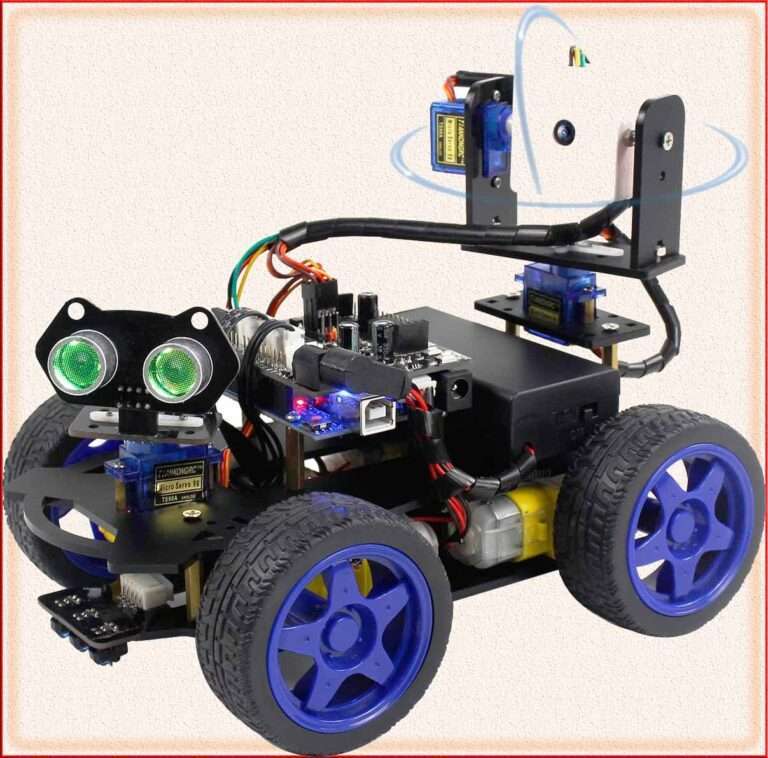
The combination of a servo motor, an ultrasonic sensor, and an…