
Best Thermal Imaging Camera for Electrical Panel Inspection
A thermal imaging camera for electrical panel inspection can help electricians identify abnormal heat before it develops into equipment failure, nuisance tripping, or a serious electrical fault. Thermal scanning is especially useful for breakers, busbars, cable terminations, contactors, disconnects, and other energized components where temperature differences can reveal developing problems.
As an electrical engineer, I have used thermal inspection as part of electrical maintenance and troubleshooting work. In the field, I do not rely on temperature alone. I compare similar components under similar loads and investigate unusual temperature patterns before recommending corrective work.
For electricians who need a compact inspection tool, the FLIR ONE Pro smartphone thermal camera is an interesting option.
Thermal Imaging Camera for Electrical Panel Inspection

- COMPATIBILITY: Infrared camera plugs directly into phone charging port and connects with iphones with lightning port (ip…
- SUPER RESOLUTION: Vivid IR technology upscales the image to 480×360 from 160×120 for greater detail and clarity. Flir MS…
- THERMAL INSPECTION GUIDES: Within the Flir One app is a step-by-step inspection guide to help you address typical faults…
Thermal Imaging Camera for Electrical Panel :Features Comparison
| Feature | FLIR ONE Pro |
|---|---|
| Product type | Smartphone thermal camera |
| Application | Electrical inspection and troubleshooting |
| Target use | Panels, breakers, connections, equipment |
| Thermal image | Smartphone displayed |
| Portable design | Yes |
| Best for | Electricians, technicians, engineers |
| Connectivity | Smartphone-based |
| Amazon | Available |
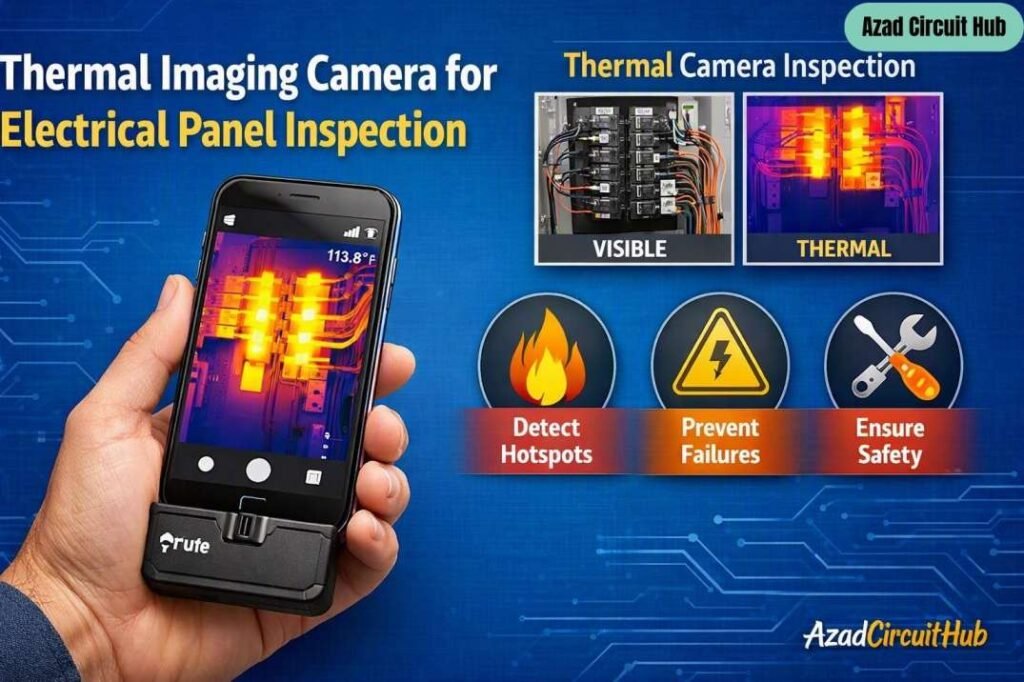
Table of Contents
Table of Contents
Why Use Thermal Imaging on Electrical Panels?
Electrical resistance at a loose or deteriorating connection can create localized heating. A thermal camera allows you to see these temperature differences without physically touching the energized component.
Common inspection points include:
- Circuit breaker terminals
- Main disconnects
- Busbar connections
- Cable lugs
- Fuse holders
- Contactors
- Motor starters
- Transformer connections
- Distribution boards
- Cable terminations
The important point is that thermal imaging does not replace electrical testing. It is a diagnostic method that helps identify areas that deserve closer investigation.
For more electrician-focused inspection equipment, see my guide to best thermal lmaging tools for electricians.
FLIR ONE Pro for Electrical Panel Inspection
The FLIR ONE Pro is designed to turn a compatible smartphone into a compact thermal inspection tool. Its small size is useful for electricians who already carry a phone during service calls and do not want to add a large thermal camera to their tool bag.
For electrical troubleshooting, the biggest advantage is convenience. You can quickly scan a panel, capture an image, and document an abnormal heat pattern for maintenance records or further investigation.
The FLIR ONE Pro is particularly useful for finding relative temperature differences between similar breakers or connection points.
Check the FLIR ONE Pro price on Amazon: FLIR ONE Pro Thermal Camera
What Temperature Patterns Should You Look For?
A good thermal inspection is based on comparison rather than simply looking for the hottest object.
For example, if three similar circuit breakers are carrying comparable loads and one terminal is noticeably hotter, that difference deserves investigation.
| Thermal Pattern | Possible Cause |
|---|---|
| One connection hotter than similar connections | Loose or high-resistance connection |
| Entire breaker noticeably hot | High load or breaker issue |
| Localized hot spot | Connection or conductor problem |
| Hot cable termination | Loose lug or excessive resistance |
| Uneven busbar temperature | Connection or loading issue |
| Multiple components hot | High overall panel load or ventilation issue |
Actual temperature limits depend on the equipment, load, ambient temperature, manufacturer specifications, and applicable electrical standards.
How to Inspect an Electrical Panel With Thermal Imaging
Start by understanding the panel’s normal operating condition. Whenever possible, inspect equipment while it is carrying a representative load.
Keep the following points in mind:
- Remove the panel cover only when qualified and authorized to do so.
- Maintain appropriate electrical safety boundaries.
- Do not touch energized components simply because you are using a thermal camera.
- Scan breakers, terminals, busbars, and cable connections.
- Compare similar components.
- Record unusual temperature differences.
- Investigate the electrical cause using appropriate test equipment.
- Correct the fault only after following the required isolation and safety procedures.
A thermal camera is valuable because it can identify a problem without requiring direct contact with an energized connection.
Thermal Imaging Limitations
Thermal cameras are powerful troubleshooting tools, but they have limitations. A thermal image shows infrared radiation rather than directly measuring the internal temperature of a conductor or connection.
Emissivity, reflected heat, viewing angle, distance, airflow, load level, and surrounding temperature can affect readings.
Highly reflective metal surfaces can also produce misleading thermal readings. For this reason, I treat thermal imaging as a screening and diagnostic technique rather than the sole basis for declaring an electrical component defective.
If you regularly inspect switchboards, distribution panels, motors, and electrical equipment, compare the FLIR model with other options in my best thermal lmaging tools for electricians guide.
When Is FLIR ONE Pro a Good Choice?
The FLIR ONE Pro makes sense when portability is important. It can be useful for maintenance technicians, electricians, electrical engineers, HVAC technicians, and facility teams that need thermal inspection capability without carrying a full-size infrared camera.
It is especially useful for:
- Preventive maintenance
- Electrical troubleshooting
- Breaker inspection
- Cable connection checks
- Motor inspection
- HVAC troubleshooting
- Documentation of thermal anomalies
For users who want a dedicated handheld thermal camera with a larger display and different controls, a conventional infrared camera may be a better fit.
For a deeper look at this specific smartphone thermal camera, read my FLIR ONE Pro Review.
Frequently Asked Questions
What is the best thermal imaging camera for electrical panel inspection?
The best choice depends on the inspection frequency, required thermal resolution, measurement features, and budget. The FLIR ONE Pro is a compact option for electricians who want smartphone-based thermal inspection.
Can a thermal camera detect a loose electrical connection?
It can help identify the heat pattern associated with a high-resistance connection. However, the thermal image should be followed by appropriate electrical testing to determine the actual cause.
Can I inspect a live electrical panel with a thermal camera?
Thermal imaging can be performed on energized equipment when the inspection is carried out by a qualified person using appropriate electrical safety procedures. The camera does not make energized electrical work safe.
What temperature indicates a bad electrical connection?
There is no universal temperature that automatically means a connection is defective. Relative temperature differences between comparable components, load conditions, ambient temperature, and equipment specifications should all be considered.
Is FLIR ONE Pro useful for electricians?
Yes. Its compact smartphone-based design can be useful for electrical troubleshooting, preventive maintenance, and documenting thermal abnormalities in panels and equipment.
Final Verdict
A thermal imaging camera for electrical panel inspection is a valuable addition to an electrician’s diagnostic equipment because it can reveal abnormal heating without direct contact with energized components. The FLIR ONE Pro is particularly attractive when portability, smartphone integration, and quick inspections are priorities.
It should not replace a multimeter, clamp meter, insulation tester, or other electrical test equipment. Instead, thermal imaging works best as another layer of electrical troubleshooting and preventive maintenance.
Check the latest FLIR ONE Pro availability on Amazon: FLIR ONE Pro Thermal Camera
Follow Us on Social:
Subscribe our Newsletter on Electrical Insights for latest updates from Azad Circuit Hub
#ThermalImagingCamera, #ElectricalPanelInspection, #FLIRONEPro, #ThermalCamera, #ElectricalInspection, #InfraredCamera, #ElectricalMaintenance, #ThermalImaging, #ElectricalTroubleshooting, #FLIR
