Best Solar Charge Controller in 2026: 5 Top MPPT & PWM Picks
The best solar charge controller for most people is a 30 to 40 amp MPPT unit that matches their panel voltage and battery chemistry: the Victron SmartSolar 100/30 if you want the best app and built-in Bluetooth, or the Renogy Rover 40A if you want the most MPPT current for the money. If your array is small (roughly 200 W or less) and your budget is tight, a simple PWM controller such as the Renogy Wanderer 30A is enough.
Below you will find five picks with specs that matter, honest “who should skip it” notes, a sizing formula that works, and links to our detailed review of every model and use case.

Quick picks: best solar charge controller for your situation
| If you need… | Our pick | Read the full guide |
|---|---|---|
| Best overall (small to mid systems) | Victron SmartSolar 100/30 | Victron SmartSolar 100/30 review |
| Best value 40 A MPPT | Renogy Rover 40A | Renogy Rover 40A MPPT review |
| Best budget PWM | Renogy Wanderer 30A | MPPT vs PWM full guide |
| Best programmable 40 A MPPT | EPEVER Tracer AN 40A | EPEVER Tracer 4210A review |
| Budget 40 A MPPT | ECO-WORTHY 40A MPPT | best MPPT controller under $100 |
| Best for LiFePO4 batteries | See our lithium guide | best solar charge controller for LiFePO4 batteries |
| Best for a van or RV | Renogy Rover 40A | best MPPT charge controller for van life |
| Best for a 12 V 200 Ah battery | See our sizing guide | best MPPT charge controller for a 12V 200Ah battery |
Table of Contents
Table of Contents
What a Solar Charge Controller Does
A solar charge controller sits between your panels and your battery. Raw panel output varies with sunlight and temperature, and a battery needs a controlled voltage and current. The controller:
- limits charging current and voltage so the battery is not overcharged,
- follows the right charging stages for your battery chemistry,
- protects against reverse polarity, short circuits and overheating, and
- on MPPT models, converts extra panel voltage into extra charging current.
A controller that does not match your panels or battery either wastes power or, in the worst case, fails. That is why “best” always depends on your system.
MPPT vs PWM Solar Charge Controller: Which Is Better?

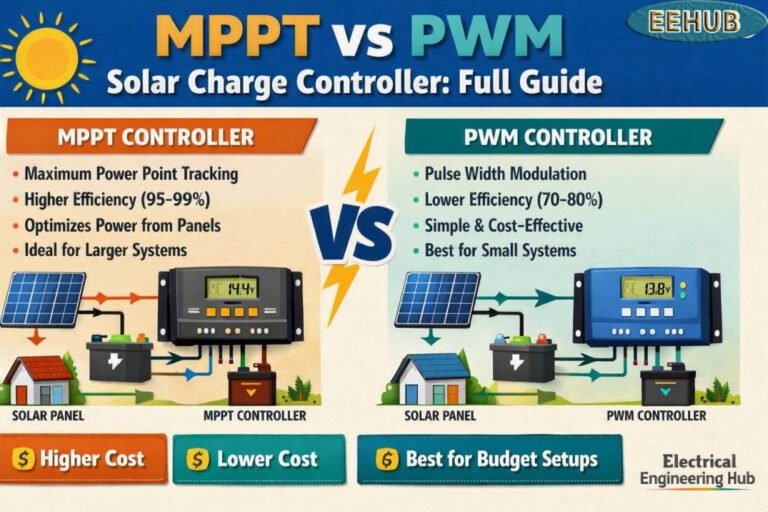
A PWM controller connects the panel to the battery and pulls the panel voltage down to battery voltage. It is simple and cheap, but any extra panel voltage is lost. An MPPT controller converts that extra voltage into extra charging current, so more of the panel’s power reaches the battery.
| PWM | MPPT | |
|---|---|---|
| Cost | Lower | Higher |
| Best system size | Small (roughly 200 W or less) | Mid to large |
| Panel voltage | Must closely match battery | Higher-voltage panels allowed |
| Cold weather and low battery | Little gain | Largest gain over PWM |
| Complexity | Very simple | More features, more settings |
In the ideal example above the gain is more than 30%. In real installations the benefit is usually smaller and depends on temperature, battery state of charge and panel voltage. For a deeper comparison with examples, read our MPPT vs PWM solar charge controller guide.
How We Choose and What We Checked
A “best of” list is only useful if you know how it was built. For this guide:
- Specs are taken from manufacturer pages (current, maximum PV voltage, maximum PV power, battery voltages, monitoring options) and compared like for like.
- We rank by fit, not by a single score. Each pick has a stated best use and a stated “who should skip it”.
- Owner-reported reliability (common complaints, firmware and app issues) was considered alongside specs.
- Prices are not listed because they change daily. Use the buttons to see the current Amazon price.
The author, Abdul Wassay, is an electrical engineer with over 15 years of experience in industrial automation, electrical troubleshooting and renewable energy design. Read his full profile.
The 5 Best Solar Charge Controllers
1. Victron SmartSolar MPPT 100/30: Best Overall
The SmartSolar 100/30 is a 30 A MPPT controller with automatic 12 V or 24 V battery detection, a maximum PV open-circuit voltage of 100 V, and a nominal PV rating of 440 W at 12 V or 880 W at 24 V. Bluetooth is built in, so you can configure and monitor it with the VictronConnect app without buying an extra module. Peak efficiency is listed at 98%.

- SMART SOLAR CHARGE CONTROLLER: Solar charge the smart way with the Victron Energy SmartSolar MPPT charge controller, to …
- MAXIMIZE POWER OUTPUT: With lightning-fast optimum power point tracking and intelligent charge algorithms the Victron MP…
- Best for: RVs, vans, boats and small to mid off-grid systems up to about 440 W on 12 V.
- Skip it if: you need a full 40 A on a 12 V bank with more than about 440 W of panels, or you want the lowest price.
- Watch out for: make sure your array’s cold-weather Voc stays under 100 V.
Check price on Amazon | Read our Victron SmartSolar 100/30 review
2. Renogy Rover 40A MPPT: Best Value High-Current MPPT
The Rover 40A handles up to 520 W of panels on a 12 V battery and 1040 W on 24 V, with a 100 V maximum PV voltage, an LCD, and auto detection of 12 V or 24 V on non-lithium batteries. Bluetooth is not built in: it needs Renogy’s separate module (BT-1 on the Rover, BT-2 on the Rover Elite), and the two are not interchangeable.

- Superior MPPT Technology: Renogy MPPT Solar Charge Controller achieves a 98% conversion rate&99% tracking efficiency, en…
- All-Weather Solar Charge Controller: Renogy charge controller operates from-40°F to 149°F, with built‑in low‑temp protec…
- Best for: DIY off-grid cabins, RVs and home backup where you want 40 A without Victron pricing.
- Skip it if: you want built-in app monitoring out of the box.
- Watch out for: buy the correct Bluetooth module for your exact version, and confirm the LiFePO4 profile in the manual.
Check price on Amazon | Renogy Rover 40A MPPT review | Rover 40A vs 60A
3. Renogy Wanderer 30A PWM: Best Simple PWM Controller
The Wanderer 30A PWM is a straightforward controller for small 12 V systems such as sheds, camping setups and small cabins. It works best with panels whose voltage matches the battery system, which keeps the system simple and cheap.

- Product 1: 【Optimized for 12V Batteries】Compatible with 12V battery banks on the market, including lithium batteries. Th…
- Product 1: 【Smart 4-Stage PWM Charging】Smart 4-Stage PWM charging (Bulk, Boost, Float, and Equalization) increases batte…
- Best for: under about 200 to 300 W, short cable runs, tight budgets.
- Skip it if: you plan to expand, use higher-voltage panels or want the most harvest in cold weather. Choose MPPT.
- Watch out for: check the charging profiles if you use lithium. Some Wanderer variants are lithium-ready and others are not.
Check price on Amazon | Compare PWM and MPPT
4. EPEVER Tracer AN 40A MPPT: Best Programmable 40 A Option
EPEVER’s Tracer AN series is popular for off-grid homes because of its flexible charging settings and monitoring options such as a remote meter or RS-485 communication. The 40 A model is commonly listed for 12 V and 24 V systems with a 100 V PV input. Confirm the figures for your exact version on the datasheet before wiring.

- 12/24VDC automatically identifying system voltage, 150V Max. PV Open Circuit Voltage. Die-cast aluminum design, ensuring…
- Advanced MPPT (maximum power point tracking) technology, tracking efficiency no less than 99.5%, maximum conversion effi…
- Best for: permanent off-grid systems where you want to tune charging parameters.
- Skip it if: you want plug-and-play Bluetooth setup.
- Watch out for: the Tracer range has several lookalike model names (AN, BN, A). Match the model letters exactly.
Check price on Amazon | EPEVER Tracer 4210A review
5. ECO-WORTHY 40A MPPT: Best Budget 40 A MPPT
The ECO-WORTHY 40A MPPT is a practical option for medium 12 V and 24 V systems when price matters. Before buying, confirm its maximum PV voltage, maximum PV watts and the battery types it supports on the current listing, because specs vary by version.

- Advanced 40A MPPT Charge Controller Technology:ECO-WORTHY 40A MPPT solar charge controller uses advanced MPPT algorithms…
- 12V/24V Auto System Detection:Automatically detects 12V or 24V battery systems for easy setup. Compatible with GEL, SLA,…
- Best for: cost-conscious upgrades from PWM.
- Skip it if: you need advanced monitoring or a long-established app ecosystem.
- Watch out for: verify the PV voltage limit against your array before purchase.
Check price on Amazon | Best MPPT charge controller under $100
Renogy vs Victron Solar Charge Controller
Renogy usually gives you more current per dollar, while Victron gives you the stronger monitoring and configuration experience. If the app, data logging and expansion matter, choose Victron. If you want 40 A on a budget and are happy with an LCD, choose Renogy. Our full Renogy vs Victron solar charge controller comparison goes through efficiency, features and value.
| Renogy Rover 40A | Victron SmartSolar 100/30 | |
|---|---|---|
| Rated current | 40 A | 30 A |
| Max PV voltage | 100 V | 100 V |
| Max PV power (12 V / 24 V) | 520 W / 1040 W | 440 W / 880 W |
| Bluetooth | Separate module | Built in |
| Display | LCD | App |
| Best for | Value and current | App, reliability, expansion |
Best PWM Solar Charge Controller
If you searched for the best PWM solar charge controller, the honest answer is that PWM only makes sense on small, simple systems. Pick one when:
- your array is roughly 200 W or less on a 12 V battery,
- your panels are 12 V nominal (about 18 V at max power) and wired to match the battery,
- the cable run is short, and
- you do not plan to grow the system.
The Renogy Wanderer 30A above is our simple pick. If any of those conditions fail, an MPPT controller will repay its higher price in harvested energy. See MPPT vs PWM for the numbers.
Best 40 Amp MPPT Charge Controller and Best MPPT Under $100
For medium 12 V and 24 V systems, a 40 A MPPT is the sweet spot. Our best 40 amp MPPT charge controller reviews compare the Renogy and Victron options in detail. If your budget is capped, our best MPPT solar charge controller under $100 page lists the cheaper models and what you give up.
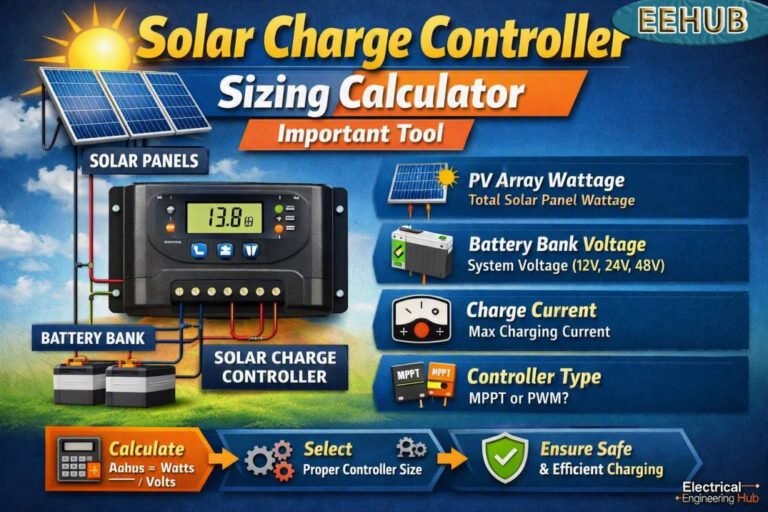
How to Size a Solar Charge Controller

Use three checks:
- Current: controller amps = (array watts ÷ battery voltage) × 1.25, rounded up to the next standard size.
- Voltage: the array’s open-circuit voltage (Voc) in the coldest weather must stay below the controller’s maximum PV voltage. Voc rises as temperature falls, so apply the temperature coefficient on the panel datasheet.
- Wattage: check the controller’s rated maximum PV power at your battery voltage. Extra panel watts are clipped.
| Solar array | Battery | Amps (W ÷ V) | With 25% margin | Choose |
|---|---|---|---|---|
| 200 W | 12 V | 16.7 A | 20.8 A | 30 A |
| 400 W | 12 V | 33.3 A | 41.7 A | 50 A, or 40 A if its PV limit covers 400 W |
| 800 W | 24 V | 33.3 A | 41.7 A | 50 A, or 40 A if its PV limit covers 800 W |
| 1200 W | 24 V | 50 A | 62.5 A | 80 A |
| 2000 W | 48 V | 41.7 A | 52.1 A | 60 A |
The 25% margin is deliberately conservative. MPPT amp ratings apply on the battery side, so always confirm the manufacturer’s PV wattage limit as the final check.
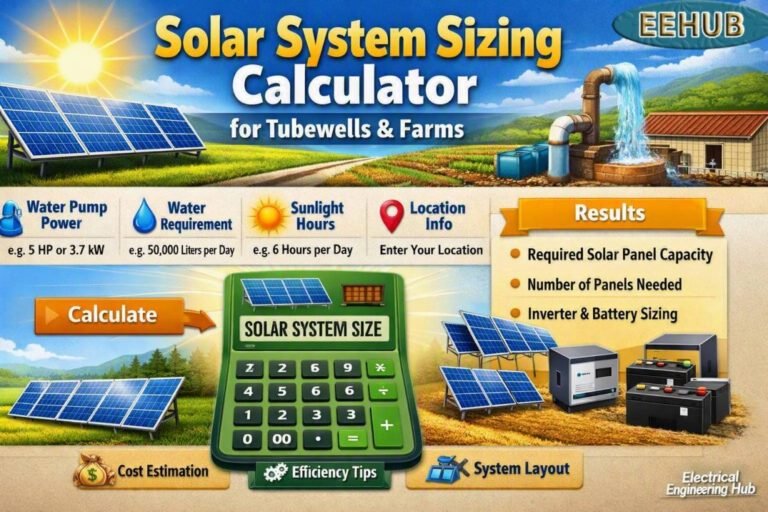
To run the numbers for your own system, use our solar charge controller sizing calculator. To size the whole array first, try the solar panel size calculator by load, and set panel angle with the solar panel tilt angle calculator. If you are choosing panels, see bifacial vs monocrystalline solar panels or our best 400W solar panel kit for an off-grid cabin.
Choosing for LiFePO4, Van Life and 12 V 200 Ah Batteries
LiFePO4 batteries. Use a controller with a LiFePO4 or fully user-defined profile and set the voltages the battery maker specifies. Lithium batteries should not be charged below freezing unless the battery is rated for it, so look for a low-temperature cutoff or a battery with a heater. Our best solar charge controller for LiFePO4 batteries page compares seven options.
Vans and RVs. Space, Bluetooth monitoring and shade performance matter most. See the best MPPT charge controller for van life.
12 V 200 Ah battery banks. The bank size sets the minimum useful charge current and how much solar you can sensibly add. See the best MPPT charge controller for a 12V 200Ah battery.

If you are building a solar-plus-battery system for outages, our home backup power guide shows how to size generators, batteries, and transfer equipment alongside your charge controller.
Installation and Safety Basics
These points apply to almost every controller. They are general guidance, not a substitute for the installation manual or local electrical code.
- Connect the battery first, then the panels. Most controllers need the battery connected to detect system voltage. Disconnect in the reverse order.
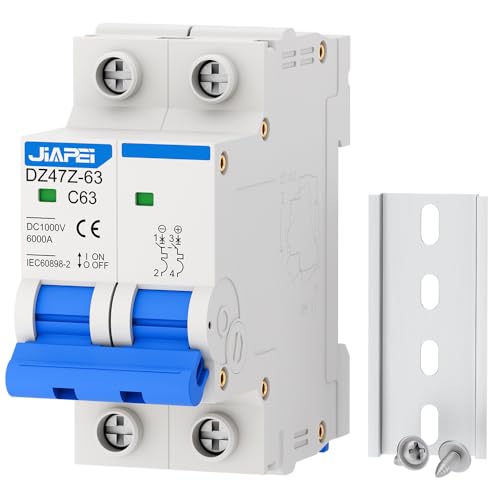
- Fuse or breaker both sides. Protect the battery and the PV input with correctly rated DC-rated devices.
- Size the cables for current and voltage drop. Use our DC cable size calculator.
- Never exceed the maximum PV voltage. Cold mornings raise panel voltage and this is a common way to destroy controllers.
- Mount close to the battery, in a ventilated spot, not above a lead-acid battery that vents gas.
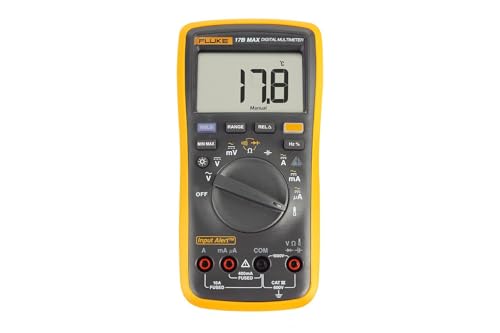
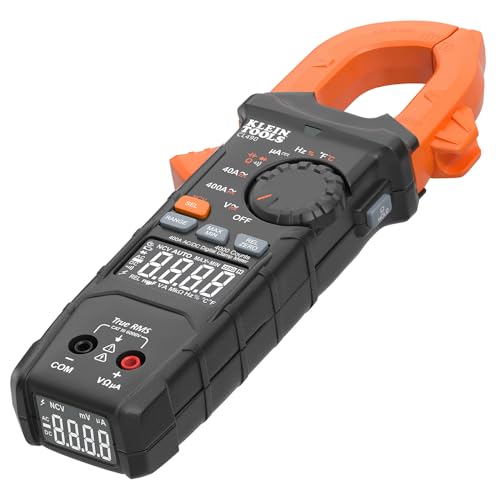
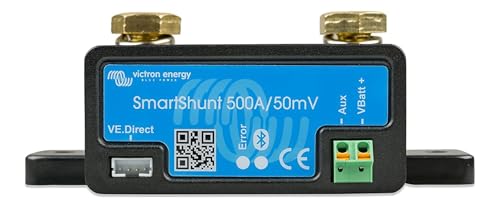
- Verify before you trust. Check voltages and currents with a good multimeter or a DC clamp meter and strip cables cleanly with proper wire strippers.
- In the United States, PV wiring and protection follow NEC Article 690, and permitted installations may require a licensed electrician.
If you want to check how well your finished system performs, our guide on how to calculate solar plant efficiency and the solar performance ratio calculator show you how.
Gear for a Solar Charge Controller Install




Frequently Asked Questions
What is the best solar charge controller overall?
For most small to mid-size systems, the Victron SmartSolar MPPT 100/30 is our top pick because of its built-in Bluetooth, 98% peak efficiency and polished app. If you need more current for the money, the Renogy Rover 40A is the best value.
What is the best MPPT solar charge controller?
The best MPPT solar charge controller depends on your battery voltage and array. The Victron 100/30 and Renogy Rover 40A cover most 12 V and 24 V systems.
What is the best PWM solar charge controller?
For small systems with matched panels, the Renogy Wanderer 30A PWM is a simple, affordable choice.
Is MPPT better than PWM?
MPPT is better for larger systems, higher-voltage panels, cold climates and lower battery states of charge. PWM is fine for small, simple setups.
What size solar charge controller do I need?
Divide your array watts by battery voltage, add 25%, round up, then check the controller’s PV voltage and wattage limits. Use our sizing calculator for a quick answer.
Can I use a solar charge controller with LiFePO4 batteries?
Yes, if it has a LiFePO4 or user-defined profile. Follow the battery manufacturer’s charging voltages and avoid charging below freezing unless the battery allows it.
Do I need an MPPT controller for a small solar system?
Not always. Systems of roughly 200 W or less with matched panels can work well with PWM. MPPT pays off as the array grows.
How long does a solar charge controller last?
A quality controller can last many years, but life depends on heat, installation and use. Check the manufacturer’s warranty for your exact model.
Is Victron worth the extra money?
If you value built-in Bluetooth, detailed data and a strong reputation for support, yes. If not, the Renogy Rover 40A offers more current per dollar. See our Renogy vs Victron comparison.
Final Thoughts
The best solar charge controller is the one that matches your panels, battery and growth plans. For most buyers that means an MPPT controller: Victron for the best monitoring, Renogy Rover for value, EPEVER for programmability. Use PWM only for small, simple systems. Run the numbers in our sizing calculator, then follow the link to the detailed review of your chosen model.
About This Guide
Prices change often. Specifications come from manufacturer documentation and may differ by version, so confirm them on the product page before buying. This guide was last reviewed on 21 October 2026. Spotted an error? Tell us through our contact page.
Get new guides in your feed. Follow Electrical Insights on LinkedIn for new electrical standards guides, calculators and design tips from Azad Circuit Hub.