NEC Code for Ground Rods: Requirements, Spacing and Wire Size (2026)
The NEC code for ground rods sits in Article 250, mainly 250.52, 250.53 and 250.66. It says what a ground rod is, how deep it goes, when you need a second one, how far apart rods sit, and how big the wire to the rod must be. This guide answers the questions installers and homeowners search most, using the 2020 NEC as the baseline and noting the 2023 and 2026 editions where they matter.
Quick answer: A ground rod must have at least 8 ft in contact with the soil (250.53(G)). A single rod needs a supplemental electrode unless it tests 25 ohms or less (250.53(A)(2)), and rods are spaced at least 6 ft apart (250.53(A)(3)). The wire from the service to a rod never has to be larger than 6 AWG copper (250.66(A)).
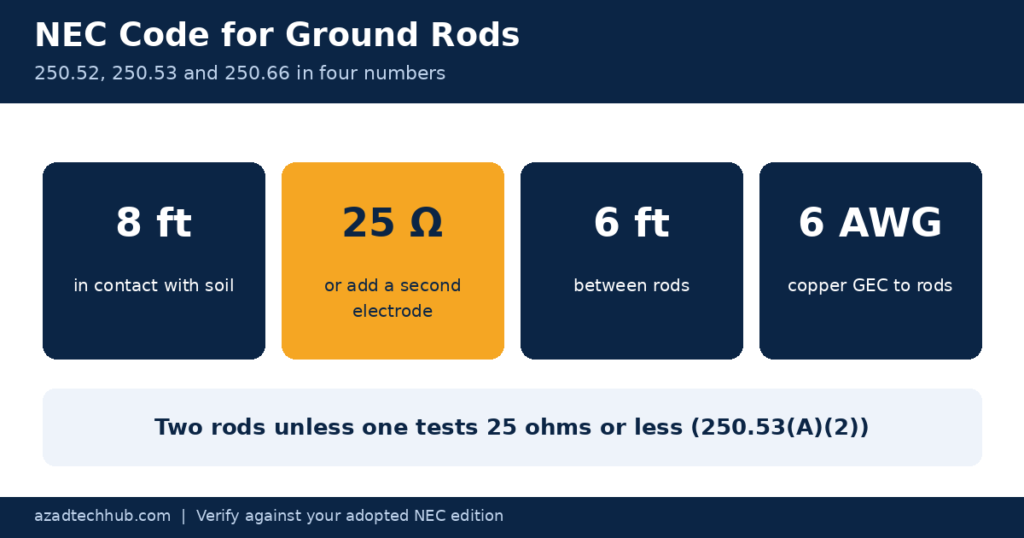
Table of Contents
Table of Contents
What Is the NEC Code for Ground Rods?
The NEC code for ground rods is spread across three sections. Section 250.50 says every electrode at the building is bonded into one grounding electrode system, and that made electrodes such as rods are driven only when no other electrode exists. Section 250.52 lists the permitted electrodes. Section 250.53 gives the installation rules. If you want the whole article, read our NEC article for grounding and bonding.
NEC 250.52(A)(3) and the Other Electrodes
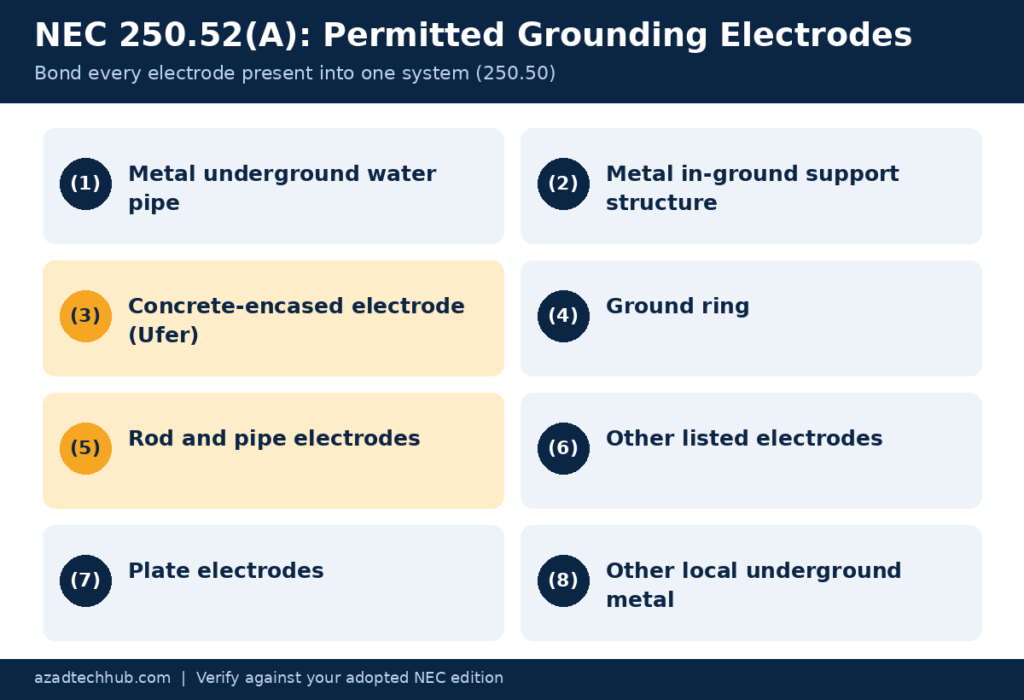
Bing users often search for NEC 250.52 A 3. Item (3) is the concrete-encased electrode, also called a Ufer ground: at least 20 ft of half-inch or larger steel rebar, or 20 ft of bare copper of 4 AWG or larger, encased in at least 2 in. of concrete in contact with the earth. The list of electrodes in 250.52(A) is:
- Metal underground water pipe
- Metal in-ground support structure
- Concrete-encased electrode, item (3)
- Ground ring
- Rod and pipe electrodes
- Other listed electrodes
- Plate electrodes
- Other local underground metal structures
A new house with a footing usually has a concrete-encased electrode, and the rod is the extra. Rods are the common choice where no other electrode exists.
Ground Rod Code Requirements
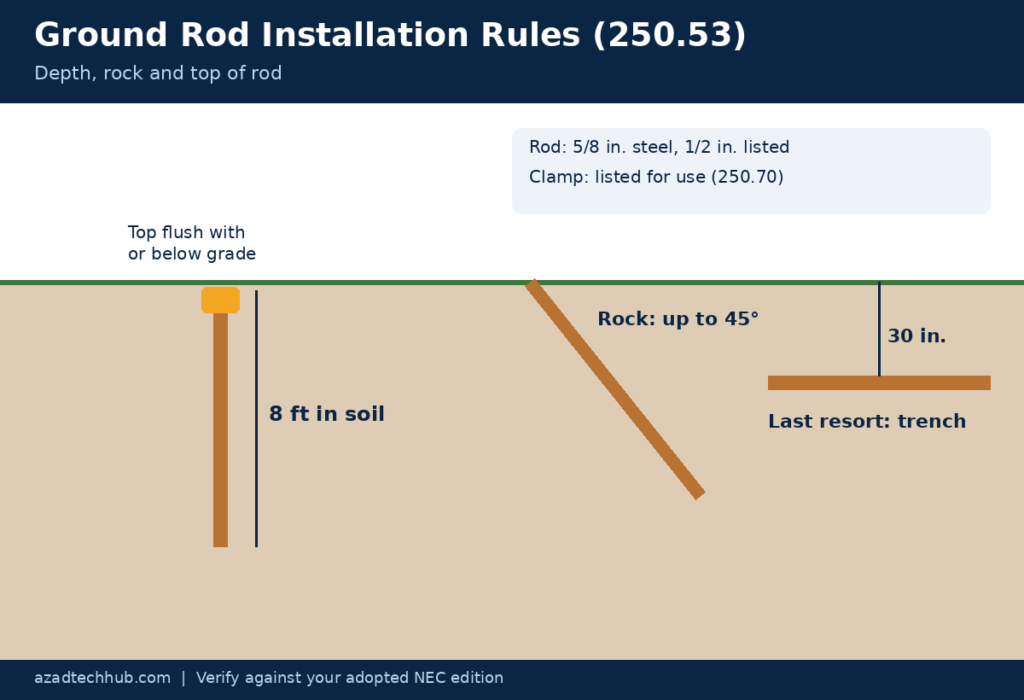
The NEC code for ground rods installation rules, in short:
| Requirement | Rule | Section |
|---|---|---|
| Length in soil | At least 8 ft in contact with the earth | 250.52(A)(5), 250.53(G) |
| Diameter | 5/8 in. for steel rods, 1/2 in. for listed nonferrous or stainless rods | 250.52(A)(5) |
| Resistance | 25 ohms or less, or add a supplemental electrode | 250.53(A)(2) |
| Spacing | At least 6 ft between rod, pipe and plate electrodes | 250.53(A)(3) |
| Rock | Drive at up to 45 degrees from vertical, or bury in a trench at least 30 in. deep | 250.53(G) |
| Top of rod | Flush with or below grade, or protected | 250.53(G) |
| Clamp | Listed for the use, direct burial if buried | 250.70 |
Plate electrodes need at least 2 sq ft of surface, and pipe electrodes at least 3/4 trade size. The rod is driven vertically where possible, and an angled or buried rod must still keep 8 ft in contact with the soil.
Rod, Pipe and Plate Electrodes: Resistance to Ground of at Least What?
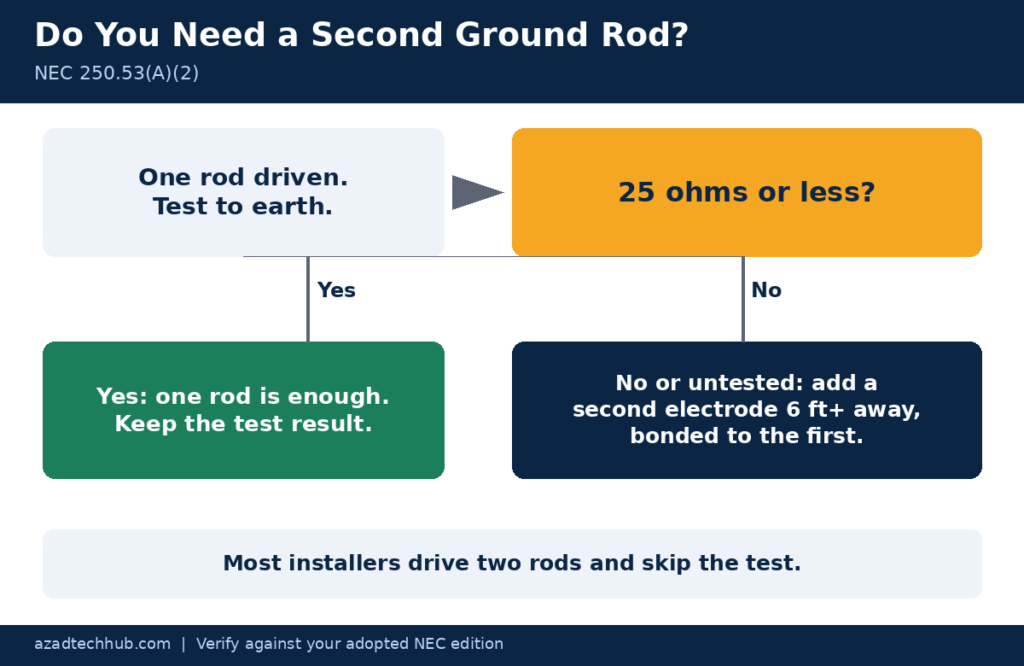
The NEC code for ground rods answers a common test question: what resistance must a rod, pipe or plate electrode have? The answer is 25 ohms or less. If one electrode measures more than 25 ohms, or you do not measure it, the code requires a supplemental electrode.
If it measures 25 ohms or less, the supplemental is not needed. In practice most installers drive two rods and skip the test, because the second rod satisfies the rule. A clamp-on ground resistance meter lets you verify it, and fall-of-potential testing is the classic method.
How Many Ground Rods Are Required by Code?
The NEC code for ground rods requires one rod that tests 25 ohms or less, or two electrodes. So how many ground rods are required by code? Two, unless you prove one is enough. When are two ground rods not required by the NEC? When a single rod tests 25 ohms or less, or when other electrodes such as a concrete-encased electrode are present and bonded.
A second rod is not needed in those cases, though some inspectors still ask for it, so confirm locally. Two rods driven 6 ft apart are bonded together and count as one electrode system.
NEC Ground Rod Wire Size and a 200 Amp Service
Under the NEC code for ground rods, Table 250.66 sizes the grounding electrode conductor from the largest ungrounded service conductor, but 250.66(A) caps it for rods: the wire to a ground rod never has to be larger than 6 AWG copper.
For a 200 amp service, a 2/0 AWG copper (or 4/0 aluminum) service conductor would call for a 4 AWG GEC under Table 250.66 when it goes to a water pipe, but 6 AWG copper is enough to the rods. Other caps are 4 AWG copper to a concrete-encased electrode and 2 AWG copper to a ground ring.
For a 200 amp service, the ground rod requirements are the same as for any other service: two rods or one that tests 25 ohms, 8 ft in the soil, 5/8 in. thick, and a 6 AWG copper GEC. Read our NEC 250.66 table guide and our guide to grounding cable size as per NEC for the sizing tables. A GEC smaller than 6 AWG must be protected, and 6 AWG may be run on the building surface if it is not exposed to damage. For international readers, compare with earthing cable size as per IEC.

Do Ground Rods Have to Be Near an Electrical Panel?
No. The NEC has no maximum distance from the panel to the ground rod. In practice, the rod goes as close to the service as is practical, because a short GEC is easier to install and protect. The GEC is attached at an accessible point from the service drop or lateral to the service disconnect.
What the code does fix is the rod spacing, the 6 ft separation, and keeping the rod away from other utilities for safety. That is the NEC code for ground rods on location: close and accessible, not mandated.
How Many Ground Rods for a 100 Amp Sub Panel?
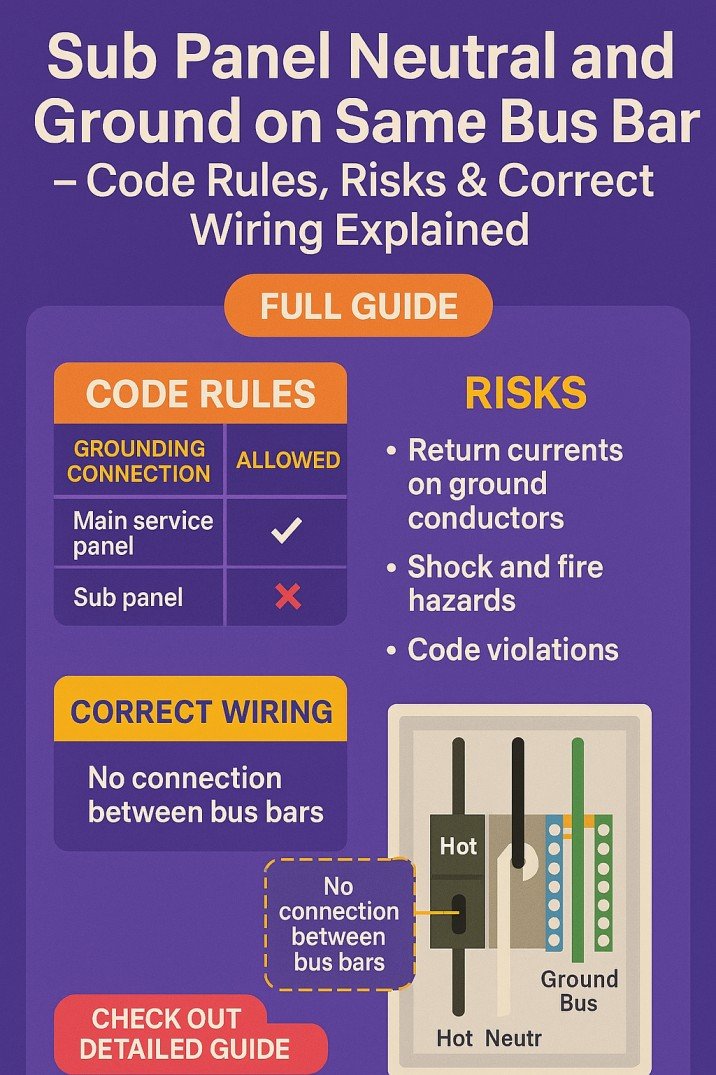
Does the NEC code for ground rods apply to a subpanel? For a subpanel in the same building, none. The subpanel is grounded through the equipment grounding conductor run with the feeder, and its neutral and ground stay separate. Our guide to sub panel neutral and ground on the same bus bar explains why.
For a subpanel in a detached garage or shed, 250.32 requires a grounding electrode at that building: typically two rods, bonded to the subpanel ground bar, with an EGC run in the feeder. A building fed by a single branch circuit with an EGC does not need an electrode.
2023 NEC Grounding Requirements and Later Editions
The NEC code for ground rods in the 2023 edition kept the same approach: 8 ft, the 25 ohm rule, 6 ft spacing and the 6 AWG GEC cap. The 2026 edition reorganizes some sections, so check the numbers in your edition. Read the code free on NFPA’s free access page. GFCI and bonding rules live elsewhere: see NEC requirements for ground fault protection and our guide to the NEC code for bonding bushings.
Tools for Ground Rod Work
Once you know the NEC code for ground rods, you need a driver, a good clamp and a way to test. As an Amazon Associate I earn from qualifying purchases, at no extra cost to you. See our affiliate disclosure.
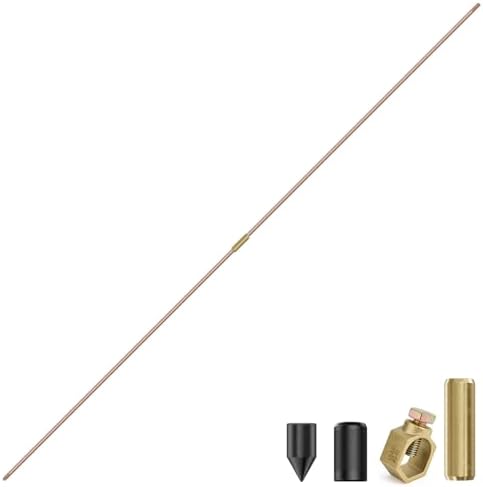
- Ground rod kit: a listed 5/8 in. by 8 ft copper-bonded rod with an acorn clamp.
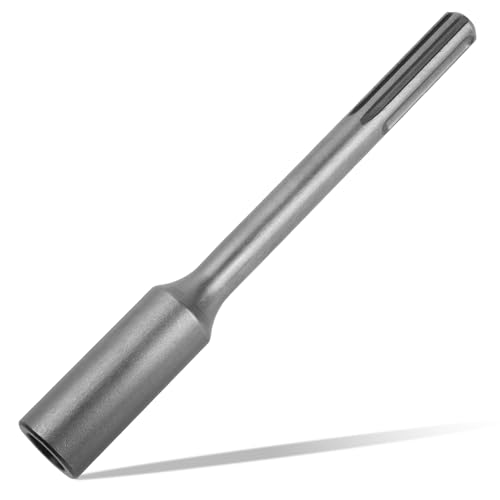
- Rod driver: a driver bit for a rotary hammer saves hours.
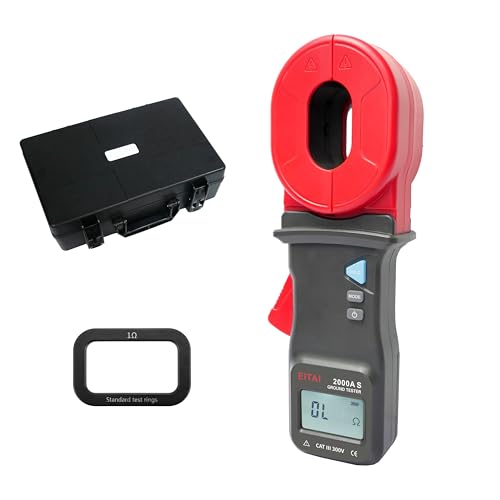
- Ground resistance meter: proves the 25 ohm figure.
- Wire and strippers: see our best wire strippers.

For raceway routing of the GEC, check fill with our conduit fill calculator, and size the service with our AC cable size calculator.
Frequently Asked Questions
What is the NEC code for ground rods?
250.52 and 250.53, with GEC sizing in 250.66.
What is the code for installing a ground rod?
At least 8 ft in the soil, a listed clamp, and a second electrode unless the rod tests 25 ohms or less.
How far apart should two ground rods be?
At least 6 ft under 250.53(A)(3).
Conclusion
The NEC code for ground rods comes down to four numbers: 8 ft in the soil, 25 ohms, 6 ft apart and 6 AWG copper. Choose two rods unless you test one, bond them, and confirm your edition. For the full article, go to our NEC article for grounding and bonding.
Get new guides in your feed. Follow Electrical Insights on LinkedIn for new electrical standards guides, calculators and design tips from Azad Circuit Hub.