
BC549C Pinout: Important Features & Equivalent
The BC549C is an NPN bipolar junction transistor (BJT) that is widely used in electronic circuits. Understanding the BC549C Pinout is crucial for proper connection and utilization in circuit designs.
Your blog category

The BC549C is an NPN bipolar junction transistor (BJT) that is widely used in electronic circuits. Understanding the BC549C Pinout is crucial for proper connection and utilization in circuit designs.
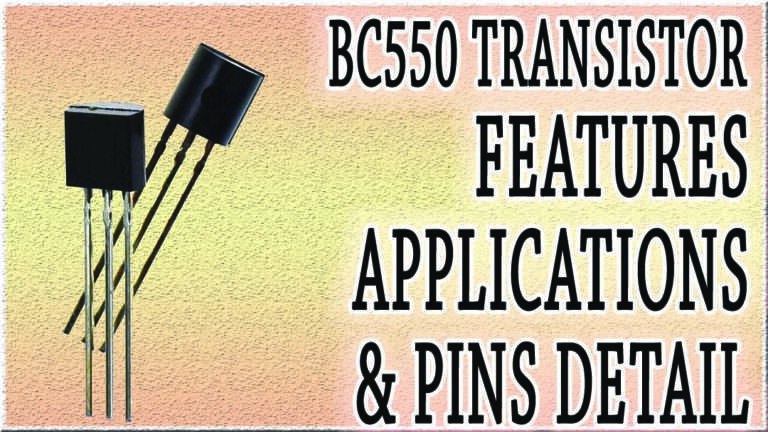
The BC550C is an NPN bipolar junction transistor (BJT) that is commonly used in various electronic circuits. Understanding the BC550C Pinout is crucial for proper connection and utilization in circuit designs.
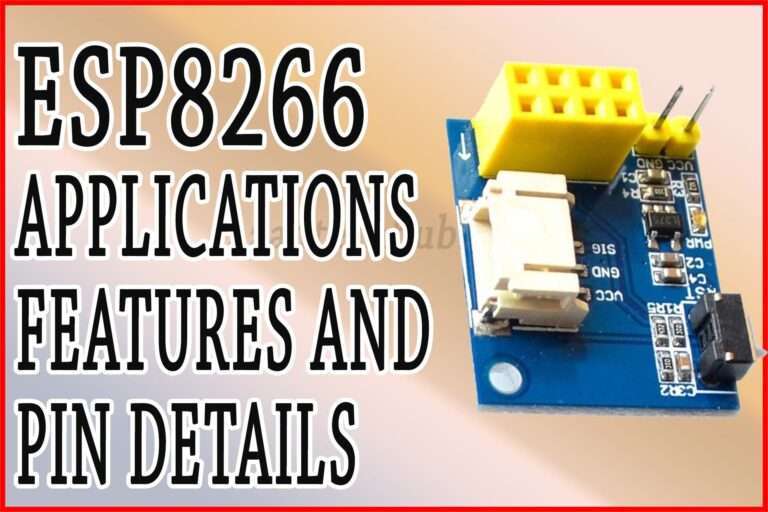
The ESP8266 is a popular Wi-Fi module widely used in Internet of Things (IoT) projects and wireless communication applications. Understanding the ESP8266 Pinout is essential for proper connection and utilization in circuit designs.
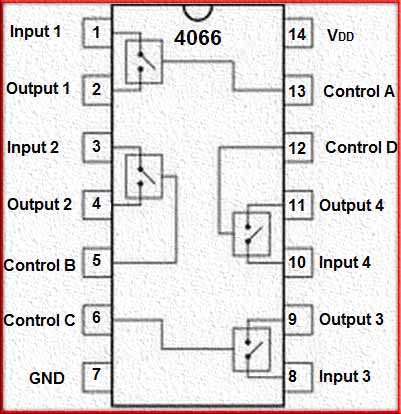
The CD4066 is a widely used analog switch IC that allows for the control and routing of analog signals in electronic circuits. Understanding CD4066 Pinout is essential for proper connection and utilization in circuit designs.

The 74HC595 is a popular shift register IC that is commonly used in digital electronics and microcontroller-based projects. Understanding 74HC595 Pinout is crucial for proper connection and utilization in circuit designs.
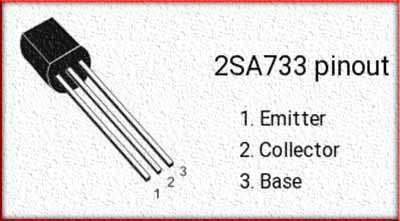
Understanding the 2SA733 Pinout configuration is crucial for proper connection and utilization in circuit designs. Let’s explore the 2SA733

LM358 Equivalent, the NJM4558, is a versatile dual operational amplifier IC commonly used in electronic circuits. The LM358 is a popular dual operational amplifier (op-amp) IC widely used in various electronic applications. It is known for its versatility, low cost, and ease of use.
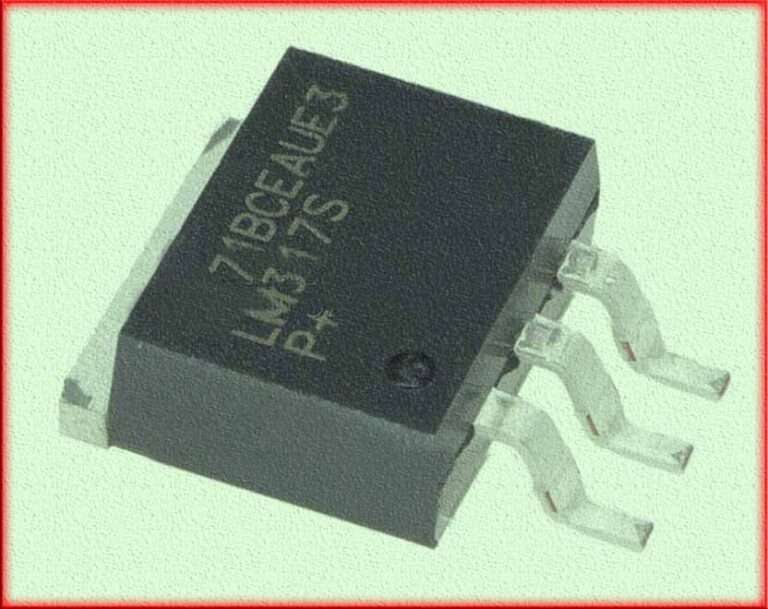
LM317S is a versatile and widely used integrated circuit (IC) voltage regulator. It is a three-terminal device that provides a constant output voltage despite changes in input voltage or load conditions. The LM317 is commonly used in electronic circuits to regulate and control the output voltage to power various components.
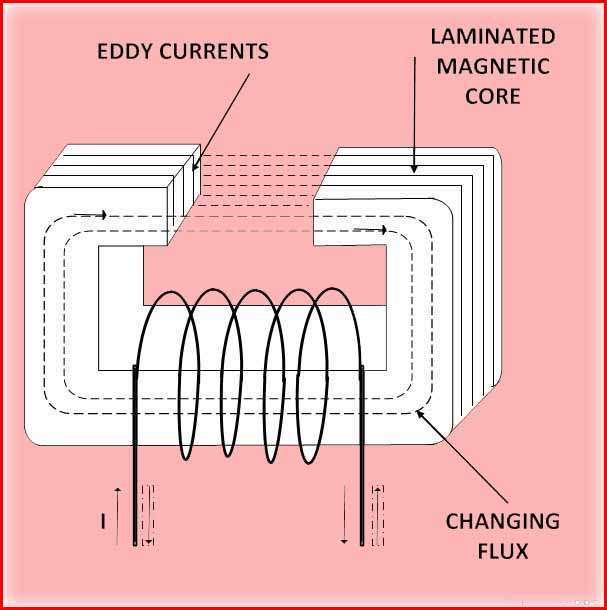
Difference between Hysteresis loss and eddy current loss can be simplified by understanding the types of losses. Hysteresis loss and eddy current loss are two distinct mechanisms of energy dissipation in different situations.

Learn how to calculate power factor in electricity bill using simple formulas, real-world examples, and practical steps to understand energy consumption and power charges.
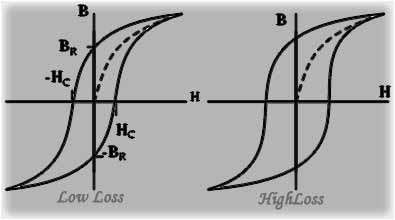
The derivation of the magnitude of hysteresis losses involves analyzing the energy dissipated during a complete cycle of magnetization and demagnetization of a ferromagnetic material.
Hysteresis loss, also known as magnetic hysteresis loss, is a phenomenon that occurs in ferromagnetic materials when they are subjected to cyclic magnetic fields. It refers to the energy dissipated in the form of heat as the magnetic domains within the material undergo repeated alignment and realignment with the changing magnetic field. Hysteresis is a significant factor to consider in various electrical and magnetic applications.
Eddy current loss, also known as Foucault or joule loss, is a phenomenon that occurs when a conductor is exposed to a varying magnetic field, resulting in the generation of circulating currents within the conductor. These circulating currents are known as Eddy currents and are responsible for the dissipation of energy in the form of heat. Eddy current loss can have significant implications in various electrical and magnetic systems.
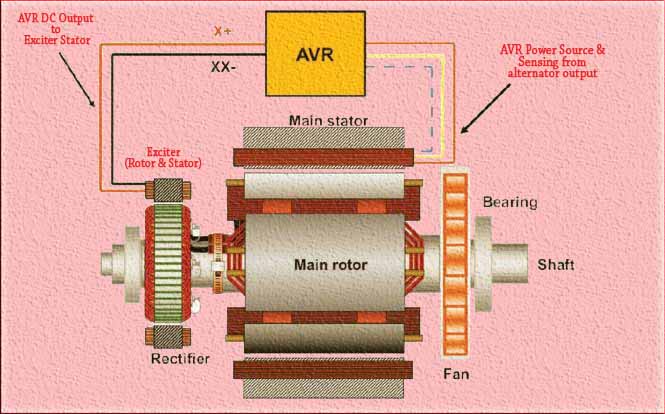
Excitation Systems is the control system used to supply the necessary field current to the synchronous generator’s rotor winding. Excitation systems play a vital role in ensuring the reliable operation, stability, and quick transient response during power generation.