
Electrical Panel Upgrade Federal Tax Credit: 2026 Homeowner Guide to Save Money on Panel Replacement
Home electrical systems are evolving quickly as households add EV chargers, heat pumps, and high-load appliances. In this situation, the Electrical Panel Upgrade Federal Tax Credit becomes an important financial relief option for homeowners planning a breaker box or service panel replacement in 2026. Rising electrical panel replacement cost has made upgrades to 200 amp panel systems more common, especially in older homes where capacity is limited.
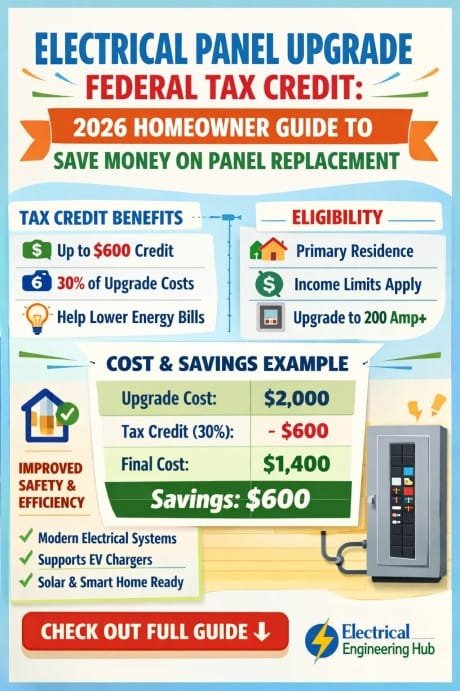
Table of Contents
The Electrical Panel Upgrade Federal Tax Credit is designed to support energy-efficient home improvements by reducing the upfront burden of upgrading outdated electrical infrastructure. Many homeowners are now considering a home electrical service upgrade not only for safety but also to qualify for available tax incentives under federal energy efficiency programs. With proper planning, this credit can significantly reduce out-of-pocket expenses.
Understanding how the Electrical Panel Upgrade Federal Tax Credit works in 2026 is essential before starting any electrical work. From eligibility rules to installation requirements, every detail matters when planning a cost-effective upgrade.
Find more about Low Voltage Switchgear vs Medium Voltage Switchgear
Understanding the Electrical Panel Upgrade Federal Tax Credit in 2026
The Electrical Panel Upgrade Federal Tax Credit is part of broader energy efficiency initiatives that encourage homeowners to modernize electrical systems. The goal is to support safe and efficient power distribution, especially when paired with renewable energy systems like solar panels or high-efficiency HVAC units.
In 2026, homeowners can potentially claim credits when upgrading their electrical service panel if it supports qualified energy-efficient installations. This includes upgrades that are necessary for installing solar systems or improving overall electrical capacity in older homes.
The Electrical Panel Upgrade Federal Tax Credit typically applies when the upgrade is part of a qualified energy improvement project. It is important to ensure that the installation meets current National Electrical Code (NEC) standards and is completed by a licensed electrician.
Eligibility Requirements for Homeowners
Before claiming the Electrical Panel Upgrade Federal Tax Credit, homeowners must meet certain conditions. Not every electrical upgrade automatically qualifies, so understanding the rules is essential.
Explore everything about electrical control panel design training
Key eligibility criteria
| Requirement | Description |
|---|---|
| Primary residence | The home must be the taxpayer’s main residence |
| Qualified upgrade | Panel upgrade must support energy efficiency improvements |
| Installed by professional | Work must be done by a licensed electrician |
| Code compliance | Must meet local and national electrical codes |
| Documentation | Receipts and certification required |
In many cases, homeowners performing a breaker box upgrade to support solar panel installation or EV charger setup are more likely to qualify. The Electrical Panel Upgrade Federal Tax Credit is often linked with broader home improvement incentives, so combining projects can increase savings.
Cost Breakdown and Potential Savings
Electrical panel upgrades vary in cost depending on home size, amperage, and location. A standard 200 amp panel upgrade is the most common choice for modern households.
The Electrical Panel Upgrade Federal Tax Credit can reduce the financial burden significantly, especially when combined with other federal incentives.
Know more about Electrical Panel Upgrade 200 Amp
Estimated cost comparison
| Upgrade Type | Average Cost (USD) | After Tax Credit Savings |
|---|---|---|
| 100A to 200A panel upgrade | $1,800 – $3,500 | Reduced by 10%–30% |
| Full service upgrade with rewiring | $3,500 – $6,500 | Reduced by 15%–30% |
| Panel upgrade for solar readiness | $2,000 – $4,500 | Higher eligibility savings |
The Electrical Panel Upgrade Federal Tax Credit helps homeowners offset both labor and material costs. In older homes, where wiring replacement is also needed, total savings can become even more impactful. This makes upgrading not just a safety decision but also a financially strategic one.
How to Claim the Credit Step by Step
Filing for the Electrical Panel Upgrade Federal Tax Credit requires proper documentation and careful filing during tax season. Missing details can lead to delays or reduced benefits.
Step-by-step process
- Hire a licensed electrician for inspection and installation
- Ensure the panel upgrade supports qualifying energy improvements
- Collect invoices, permits, and certification documents
- Confirm eligibility under IRS energy efficiency guidelines
- File IRS Form 5695 with your federal tax return
- Attach required documentation for verification
Find all about Electrical Panel Upgrade Cost Los Angeles
When properly documented, the Electrical Panel Upgrade Federal Tax Credit can be applied directly against your tax liability. This reduces the total amount owed or increases your refund depending on your tax situation.
Common Mistakes Homeowners Should Avoid
Many homeowners miss out on the Electrical Panel Upgrade Federal Tax Credit due to avoidable errors. Understanding these mistakes can help ensure smooth approval.
- Using unlicensed contractors for installation
- Failing to check eligibility before starting the project
- Not keeping receipts or installation records
- Upgrading panels without energy-related justification
- Mixing ineligible home improvements with qualified upgrades
One common issue is assuming every electrical panel replacement qualifies automatically. In reality, the Electrical Panel Upgrade Federal Tax Credit is tied to specific energy improvement requirements, not general maintenance or repair work.
Long-Term Benefits of Upgrading Your Electrical Panel
Beyond tax savings, upgrading your electrical system offers long-term advantages. Homes with modern electrical panels are safer, more efficient, and better prepared for future technology demands.
The Electrical Panel Upgrade Federal Tax Credit encourages homeowners to make proactive improvements that reduce fire risk and improve energy distribution. A modern panel also supports solar integration, EV charging stations, and smart home systems without overload issues.
Know more about Electrical Panel Upgrade Cost For EV Charger
Key long-term benefits
- Improved electrical safety and reduced fire hazards
- Increased home value and market appeal
- Better support for high-energy appliances
- Reduced risk of frequent breaker trips
- Future-ready infrastructure for renewable energy systems
In many cases, homeowners see indirect financial benefits beyond the initial credit, especially through lower insurance risks and increased property valuation.
Final Thoughts
Planning an electrical upgrade in 2026 is no longer just about fixing outdated systems; it is also about maximizing available financial incentives. The Electrical Panel Upgrade Federal Tax Credit provides a valuable opportunity for homeowners to reduce upgrade costs while improving safety and efficiency.
Use our online tool for free Electrical Panel Upgrade Cost Calculator
Whether you are installing a 200 amp panel for modern appliances or preparing your home for solar energy, understanding the Electrical Panel Upgrade Federal Tax Credit ensures you make informed financial decisions. With proper documentation, qualified installation, and careful planning, homeowners can significantly reduce expenses while upgrading their home’s electrical backbone.
Get new guides in your feed. Follow Electrical Insights on LinkedIn for new electrical standards guides, calculators and design tips from Azad Circuit Hub.
#ElectricalPanelUpgradeFederalTaxCredit,#ElectricalPanelUpgrade,#FederalTaxCredit,#HomeElectricalUpgrade,#EnergyEfficiency,#ElectricalPanelReplacement,#EVChargerUpgrade,#SolarPanelUpgrade,#TaxCredit2026,#HomeImprovementSavings
