Best Electrical Calibration Equipment in USA | Top-Rated Industrial Testing Solutions
Electrical Calibration Equipment plays a critical role in modern industries where precision, safety, and compliance are essential. From manufacturing plants and power generation facilities to laboratories and automation systems, accurate calibration ensures that electrical instruments perform within required standards. In the USA, industries rely on advanced calibration tools to maintain operational efficiency, reduce downtime, and meet strict quality regulations.
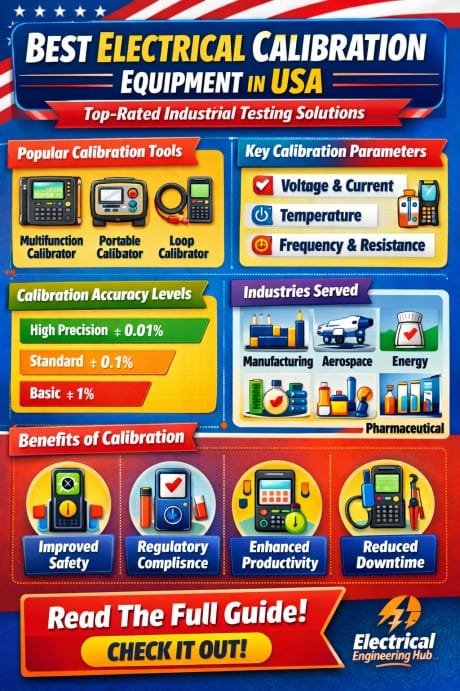
Table of Contents
As industrial automation continues to grow, the demand for reliable Electrical Calibration Equipment has increased significantly. Companies now require high-accuracy devices that can test, verify, and calibrate electrical systems with confidence. Selecting the right equipment improves measurement accuracy, enhances workplace safety, and supports long-term equipment reliability.
Know more about Partial Discharge Test Equipment Price in USA & Europe
Why Electrical Calibration Equipment Is Important
Industrial facilities use sensitive electrical instruments every day. Over time, these instruments can drift from their original accuracy levels due to environmental conditions, continuous operation, or aging components. Calibration helps restore precision and ensures compliance with national and international standards.
Proper calibration offers several benefits:
- Improves measurement accuracy
- Reduces operational errors
- Enhances equipment reliability
- Supports ISO and regulatory compliance
- Minimizes production downtime
- Increases workplace safety
Industries such as oil and gas, pharmaceuticals, energy, aerospace, automotive, and manufacturing depend heavily on professional calibration solutions to maintain process consistency.
Findt all about AC Hipot Test Procedure for Cables
Key Features to Look for in Electrical Calibration Equipment
Choosing the right calibration system requires careful evaluation. Industrial users should focus on performance, accuracy, portability, and compatibility with existing systems.
| Feature | Importance |
|---|---|
| High Accuracy | Ensures precise measurements |
| Multi-Function Capability | Supports voltage, current, resistance, and frequency testing |
| Data Logging | Helps maintain calibration records |
| Portable Design | Ideal for field service technicians |
| Safety Compliance | Protects operators and equipment |
| User-Friendly Interface | Simplifies calibration procedures |
Modern calibration instruments also include digital displays, automated testing functions, wireless connectivity, and software integration for reporting and documentation.
Types of Electrical Calibration Equipment
Different industries require different calibration solutions depending on the application. Understanding the available categories helps businesses choose the right tools for their operations.
Multifunction Process Calibrators
These devices are widely used in industrial environments for calibrating transmitters, sensors, and control systems. They can measure and source electrical signals with high precision.
Common applications include:
- Process automation
- PLC testing
- Instrument maintenance
- Industrial troubleshooting
Know more about Power Quality Analyzer Buying Guide for Engineers
Electrical Test Instruments
Electrical testing instruments are essential for verifying voltage, current, continuity, insulation resistance, and power quality. They are commonly used by electricians, maintenance engineers, and utility professionals.
Examples include:
- Digital multimeters
- Clamp meters
- Insulation testers
- Power analyzers
Temperature and Pressure Calibrators
Many industrial systems combine electrical and process measurements. Temperature and pressure calibrators help maintain accuracy in critical systems used in manufacturing and energy sectors.
Bench Calibration Equipment
Laboratories and calibration centers often use bench-top systems for highly accurate measurements. These systems provide stable performance and support traceable calibration standards.
Top Industries Using Electrical Calibration Equipment in USA
The United States has a strong industrial base that depends on accurate testing and calibration systems. Several industries invest heavily in professional calibration technology.
| Industry | Calibration Requirement |
|---|---|
| Manufacturing | Machine and process accuracy |
| Power Generation | Electrical safety and performance |
| Oil & Gas | Hazardous area compliance |
| Aerospace | Precision instrument validation |
| Automotive | Production line testing |
| Pharmaceuticals | Regulatory compliance |
Industrial facilities regularly calibrate their instruments to meet ANSI, NIST, OSHA, and ISO standards.
Know more about Top 12 Electrical Testing Equipment Suppliers in USA
Best Features of Modern Industrial Testing Solutions
Technological advancements have transformed calibration systems into intelligent and highly efficient tools. Modern Electrical Calibration Equipment now includes features that improve productivity and simplify maintenance workflows.
Digital Connectivity
Many calibration devices support USB, Bluetooth, and cloud-based software integration. This allows technicians to store reports, track calibration history, and generate compliance documentation efficiently.
Automated Calibration Functions
Automation reduces manual calculations and improves consistency during testing procedures. Automated functions also minimize human error and speed up calibration tasks.
Rugged Industrial Design
Field technicians often work in demanding environments. Durable calibration equipment with shock-resistant housing and weather protection ensures long-term reliability.
Energy Efficiency
New testing systems consume less power while delivering higher performance. This supports sustainable industrial operations and reduces operational costs.
Find all about Best Megger Insulation Testers 5000V
How to Choose the Right Electrical Calibration Equipment
Selecting the ideal calibration system depends on operational needs, industry standards, and budget considerations. Businesses should evaluate both current and future testing requirements before purchasing equipment.
Consider the following factors:
- Required measurement range
- Accuracy specifications
- Calibration frequency
- Ease of maintenance
- Certification requirements
- Technical support availability
- Software compatibility
Organizations should also choose equipment from reputable manufacturers known for reliability and after-sales support.
Leading Brands in the USA Market
Several manufacturers dominate the industrial calibration market in the USA due to their precision engineering and reliable performance.
| Brand | Known For |
|---|---|
| Fluke | Industrial-grade multifunction calibrators |
| Keysight | Advanced electronic testing systems |
| Megger | Electrical testing and insulation solutions |
| Yokogawa | Process and instrumentation calibration |
| Hioki | Portable testing equipment |
These brands are trusted by industrial professionals for their accuracy, durability, and compliance with international standards.
Find more about Best Megger Insulation Tester for Industrial Motors
Benefits of Investing in High-Quality Calibration Equipment
Businesses that invest in professional calibration tools gain long-term operational advantages. Accurate instruments reduce costly errors and improve overall system performance.
Key benefits include:
- Better quality control
- Improved equipment lifespan
- Reduced maintenance costs
- Enhanced regulatory compliance
- Increased operational efficiency
- Accurate troubleshooting capabilities
Reliable calibration solutions also strengthen customer confidence by ensuring consistent product quality.
Maintenance Tips for Calibration Equipment
Proper maintenance extends the life of calibration instruments and preserves measurement accuracy. Routine care also prevents unexpected failures during critical operations.
Recommended Maintenance Practices
- Store equipment in clean, dry environments
- Perform regular recalibration
- Inspect cables and connectors frequently
- Update firmware and software when required
- Avoid exposure to extreme temperatures
- Follow manufacturer guidelines
Scheduled maintenance helps maintain traceability and ensures long-term reliability.
Know more about Best Megger Testers for Industrial Use
Future Trends in Electrical Calibration Equipment
The industrial testing industry continues to evolve with new technologies and smarter diagnostic tools. Future calibration systems are expected to become more connected, automated, and data-driven.
Emerging trends include:
- AI-powered diagnostics
- Cloud-based calibration management
- Wireless testing solutions
- IoT-enabled monitoring systems
- Advanced predictive maintenance tools
As Industry 4.0 expands across the USA, calibration technology will continue to support smarter manufacturing and improved operational efficiency.
Conclusion
Electrical Calibration Equipment remains essential for industries that depend on precision, safety, and compliance. From manufacturing plants and energy facilities to laboratories and automation systems, accurate calibration helps organizations maintain reliable operations and meet industry standards.
The USA market offers a wide range of advanced industrial testing solutions designed for modern operational demands. By choosing high-quality calibration tools, businesses can improve measurement accuracy, reduce downtime, and enhance long-term productivity.
Know more about Top 20 Electrical Testing Tools Which You Must Have
Whether you need multifunction calibrators, electrical test instruments, or laboratory-grade systems, investing in reliable Electrical Calibration Equipment is a smart decision for maintaining performance and operational excellence in today’s competitive industrial environment.
Get new guides in your feed. Follow Electrical Insights on LinkedIn for new electrical standards guides, calculators and design tips from Azad Circuit Hub.
#BestElectricalCalibrationEquipment,#ElectricalCalibrationUSA,#CalibrationTestEquipment,#ElectricalTestingSolutions,#IndustrialCalibration,#CalibrationServicesUSA,#ElectricalEngineers,#PrecisionTesting,#TestAndMeasurement,#CalibrationLab