
Klein vs Ideal Conduit Bender: Best Choice for Electricians in 2026
Choosing between Klein and Ideal can be tricky when you need a reliable EMT hand bender for electrical installations. Both brands offer tools for bending electrical conduit, but handle comfort, bend markings, durability, and ease of use can affect your daily work.
In this klein vs ideal conduit bender comparison, I focus on practical features that matter to electricians, apprentices, and contractors. As an electrical engineer with more than 15 years of experience in electrical panels, installations, and troubleshooting, I value accurate bends, consistent results, and tools that hold up on the job.

Klein vs Ideal Conduit Bender: Quick Comparison
| Feature | Klein Tools EMT Bender | Ideal EMT Bender |
|---|---|---|
| Main use | EMT conduit bending | EMT conduit bending |
| Common sizes | 1/2-inch and 3/4-inch models | 1/2-inch and 3/4-inch models |
| Bend markings | Check exact model | Check exact model |
| Handle comfort | Model-dependent | Model-dependent |
| Best for | General electrical work | General electrical work |
| Skill level | Beginners and professionals | Beginners and professionals |
Specifications vary by model, so check the exact product listing before ordering.
Table of Contents
Table of Contents
Klein Tools EMT Conduit Bender Review
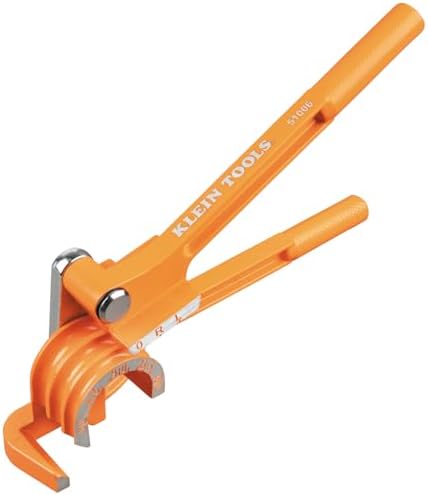
The Klein Tools EMT conduit bender is a practical option for electricians who want a dependable hand tool for everyday conduit work. The available 1/2-inch and 3/4-inch sizes cover common EMT installations in homes, commercial buildings, and electrical rooms.
A good bender should provide clear angle markings and a stable shoe that helps you control the bend. This matters when making 90-degree bends, offsets, and saddles while keeping conduit aligned.
Klein is worth considering if you want a familiar electrical tool brand and plan to use the bender regularly. Before buying, confirm whether the listing includes a handle, which conduit sizes it supports, and whether its markings match your preferred bending method.
Check the Klein EMT Conduit Bender price on Amazon: Klein Tools EMT Conduit Bender, 1/2-Inch and 3/4-Inch
How Does Ideal Compare?
Ideal is another established name in electrical installation tools. Its EMT hand benders are designed for bending conduit to suit wiring runs and installation layouts.
When comparing an Ideal bender with Klein, look beyond brand reputation. Check the bending shoe design, degree markings, handle attachment, weight, and the visibility of the arrow and star marks used for common bends.
For apprentices, easy-to-read markings can reduce mistakes and material waste. Experienced electricians may place more value on familiar bend deductions, repeatable results, and comfortable handling during long installation jobs.
If you already own other tools from either brand, staying with the same bending style may also make your work more consistent.
Which Conduit Bender Is Better for Beginners?
For beginners, the better choice is the bender that makes angle markings easy to read and feels stable during use. A 1/2-inch model can be a sensible starting point for lighter conduit work, while a 3/4-inch model suits larger EMT runs.
Read my guide to the Best EMT Conduit Bender for Beginners for more help choosing a tool for your first electrical installations.
What to Check Before Buying
Before choosing between Klein and Ideal, check these points:
- Confirm the conduit size: 1/2 inch or 3/4 inch.
- Check whether the handle is included.
- Inspect the visibility of angle and bend-reference markings.
- Consider the weight and grip comfort.
- Verify compatibility with EMT rather than assuming the tool suits every conduit type.
- Compare current prices, warranty terms, and seller details.
If you mainly work with 3/4-inch conduit, read my 3/4 EMT Hand Bender Review for a closer look at sizing and practical use.
Frequently Asked Questions
Is Klein better than Ideal for conduit bending?
Both brands offer conduit-bending tools. The better option depends on the exact model, marking visibility, comfort, price, and your preferred bending technique.
Which conduit bender is best for beginners?
Choose a model with clear bend markings, a stable shoe, and a comfortable handle. Practising on scrap EMT helps you learn bend deductions and avoid wasted material.
Can a 1/2-inch bender bend 3/4-inch EMT?
No. Use a bender designed for the conduit size you are working with. Always verify the tool’s stated compatibility.
What is the difference between a Klein and Ideal hand bender?
Differences depend on the specific models. Compare shoe design, markings, handle construction, weight, and included accessories rather than relying on the brand name alone.
Is a hand conduit bender suitable for professional work?
Yes. A properly sized hand bender is useful for many residential and commercial EMT installations, especially for offsets, 90-degree bends, and saddles.
Final Verdict
In this klein vs ideal conduit bender comparison, neither brand is automatically the winner for every electrician. Klein is a strong option to consider for everyday EMT work, while Ideal deserves consideration when its design and features better match your preferences.
Compare the exact models, confirm the conduit size, and choose the tool that gives you reliable control and clear markings. For most buyers, those practical details matter more than the logo on the bending shoe.
Get new guides in your feed. Follow Electrical Insights on LinkedIn for new electrical standards guides, calculators and design tips from Azad Circuit Hub.
#KleinVsIdeal, #ConduitBender, #KleinTools, #IdealIndustries, #ConduitBenderReview, #ElectricianTools, #ElectricalTools, #EMTConduit, #ConduitBending, #BestConduitBender
