
Allowable Voltage Dip for Generator Sizing
When sizing a generator, one of the most important technical considerations…
“Power up your knowledge of generators with Electrical Hub’s dedicated category. Explore generator types, working principles, and applications in various industries. Discover how these essential devices provide backup power and meet electrical demands efficiently.”

When sizing a generator, one of the most important technical considerations…
When planning a power backup system or designing a commercial electrical…
Diesel generator sizing for motor starting is one of the most…

Having a reliable generator is crucial during power outages. Many homeowners…
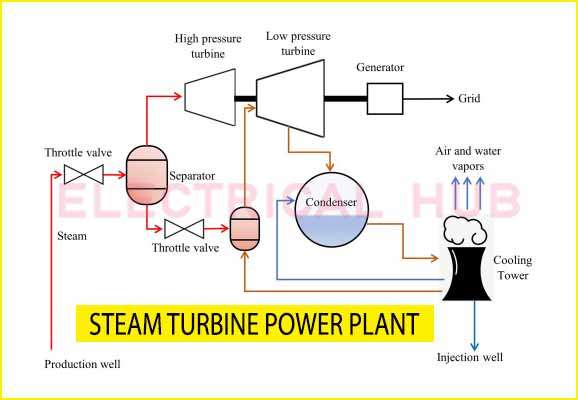
Steam turbine power plants play a vital role in the global…

A combustion turbine generator (CTG) is a vital piece of equipment in the energy sector, transforming the energy from combustion into electrical power. CTGs play a significant role in generating electricity for homes, businesses, and industries.
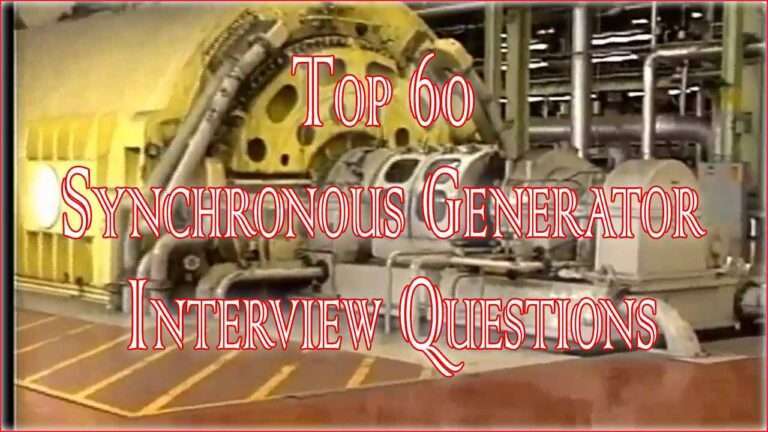
Welcome to a comprehensive exploration of Synchronous Generator Interview Questions and Answers. Synchronous generators, also known as alternators, play a pivotal role in power generation, contributing to the stability and reliability of electrical grids worldwide.
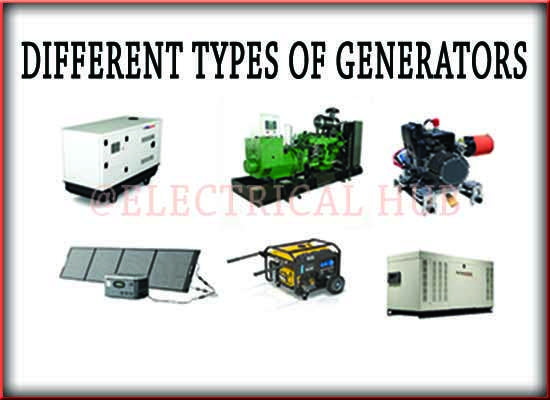
Types of generators can be categorized based on their fuel sources. Generators are machinery that uses electromagnetic induction to transform mechanical energy into electrical energy. They are made up of a moving component called the rotor or armature and a fixed component called the stator.

The ABB excitation system is a state-of-the-art technology used in power plants and other electrical generation facilities to control the field current of synchronous generators. ABB is a leading global technology company known for its innovative solutions in power and automation.
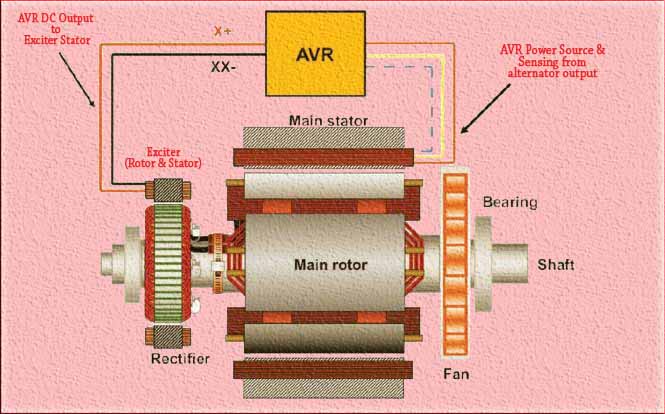
The excitation control system is a crucial component in power generation that ensures the proper control and regulation of the generator’s field current. It plays a vital role in maintaining the generator’s terminal voltage within acceptable limits, supporting reactive power flow, and ensuring stable and synchronized operation.
The static excitation system is an advanced technology used in modern power plants to provide precise and efficient control of the generator’s field current. It employs solid-state devices, such as thyristors or silicon-controlled rectifiers (SCRs), to regulate the excitation current, ensuring stable and synchronized operation of the generator.
The excitation system of alternator is a critical component responsible for supplying the necessary field current to the generator’s rotor winding. This field current creates a magnetic field, inducing voltage in the stator windings, thus producing electrical power.
The features of excitation system of synchronous generators play an important role in power system stability. Excitation Systems are responsible for providing the necessary field current to the generator’s rotor winding to ensure stable and synchronized output voltage. It incorporates various features that contribute to its efficient and reliable operation.
Purpose of Excitation system is to regulate the generator’s terminal voltage and maintain the system’s stability during varying load conditions and disturbances.