Why Power Cables Insulation Rated for High Voltage| Best Guide
Power systems depend on safe and stable transmission of electricity across long distances and demanding environments. One of the most critical design requirements in this field is ensuring that cables require insulation rated for high voltage in order to prevent failures, protect equipment, and ensure human safety. Without properly rated insulation, even a minor electrical stress can lead to breakdowns, arcing, or catastrophic faults in power networks.
Power Cables Insulation Rated for High Voltage
Electrical Stress in High Voltage Systems
When electrical energy is transmitted at high voltages, the surrounding environment of the conductor experiences intense electric fields. These fields place continuous stress on the insulation layer surrounding the conductor. If the insulation is not designed for these stress levels, it begins to deteriorate over time.
Know more about Hipot Test Parameters UL 60335
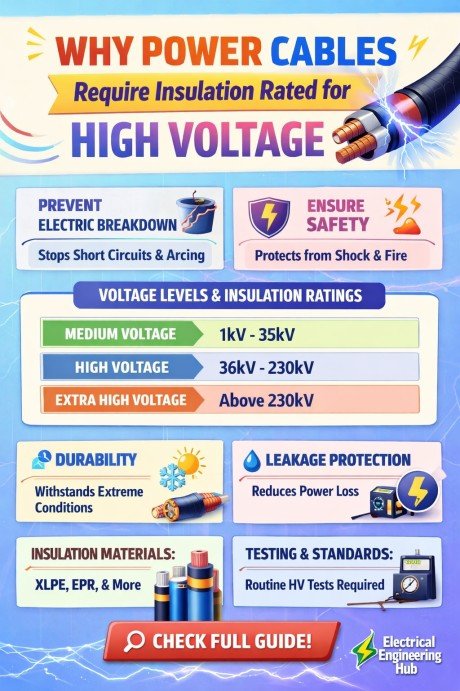
Table of Contents
Table of Contents
Common stress factors include thermal load, dielectric heating, moisture ingress, and partial discharge activity. Each of these weakens insulation integrity and reduces service life if not properly controlled through material selection and engineering design.
Role of Insulation in Power Cable Performance
Insulation acts as a protective barrier between the conductive core and the external environment. Its primary role is to contain the electrical field within the conductor while preventing leakage currents.
High-performance insulation materials such as cross-linked polyethylene (XLPE), ethylene propylene rubber (EPR), and paper-oil systems are commonly used in medium and high voltage applications. These materials are engineered to withstand both electrical and mechanical stresses over long operational lifespans.
Know more about VLF Testing vs Hipot
Common Insulation Materials and Voltage Ratings
| Insulation Material | Typical Application Voltage | Key Properties |
|---|---|---|
| PVC | Low voltage up to 1kV | Cost-effective, flexible |
| XLPE | 1kV to 33kV and above | High thermal resistance, low dielectric loss |
| EPR | Medium voltage systems | Excellent moisture resistance |
| Oil-impregnated paper | Extra high voltage systems | High dielectric strength |
Why Insulation Breakdown Occurs
Insulation failure is rarely sudden; it is usually the result of gradual degradation. Factors contributing to breakdown include:
- Partial discharge activity inside voids or air pockets
- Overheating due to excessive current load
- Mechanical damage during installation
- Chemical aging due to environmental exposure
- Voltage surges from switching operations or lightning
When these conditions persist, insulation loses its dielectric strength, increasing the risk of flashover or short circuits.
Know more about AC Hipot Test Acceptable Leakage Current
Key Takeaways Power Cables Insulation Rated for High Voltage
- Insulation is essential for controlling electric fields in power cables
- Material selection directly impacts cable lifespan and safety
- High voltage environments require specialized dielectric materials
- Proper testing and maintenance reduce long-term failure risks
- Environmental and mechanical factors significantly affect insulation performance
Importance of Correct Voltage Rating in Cable Systems
Selecting the correct insulation rating ensures that cables operate within safe electrical limits. Underrated insulation can lead to overheating, insulation puncture, or complete system shutdown. On the other hand, properly rated insulation enhances efficiency and reduces energy losses caused by leakage currents.
In industrial installations, engineers also consider safety margins to accommodate transient voltage spikes. These spikes may occur during switching operations or fault conditions, making insulation design even more critical.
Learn more about earthing cable size as per iec
For deeper insight into verification methods used in the field, engineers often refer to hipot testing practices to validate dielectric strength under controlled conditions.
Testing and Safety Assurance in Cable Design
Before installation, high voltage cables undergo rigorous testing to ensure reliability under operating stress. These tests simulate real-world conditions and verify that insulation can withstand rated voltages safely.
One widely used method is high potential testing, which applies elevated voltage levels to detect weak insulation points. This ensures early detection of manufacturing defects or installation damage.
For a detailed technical breakdown, refer to hi-pot testing explained, which outlines how insulation integrity is verified in modern electrical systems.
Factors Affecting Insulation Selection
Selecting insulation is not a one-size-fits-all process. Engineers evaluate multiple technical and environmental parameters before finalizing a cable type.
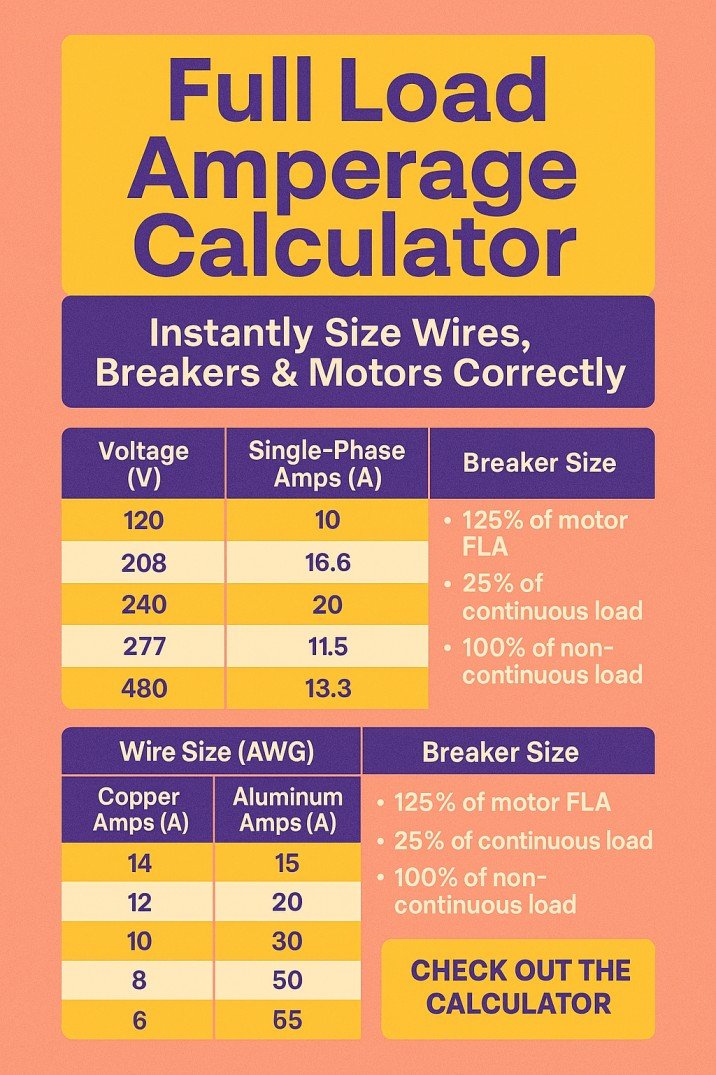
Use our online tool 3 Phase Motor Cable Size Calculator
Selection Criteria Table
| Factor | Impact on Insulation Choice |
|---|---|
| Operating Voltage | Determines dielectric strength requirement |
| Temperature Range | Affects thermal aging and stability |
| Moisture Exposure | Requires water-resistant materials |
| Mechanical Stress | Influences sheath and armor design |
| Installation Environment | Underground, overhead, or industrial use |
Each factor plays a role in ensuring long-term reliability and safe energy transmission.
Electrical Failure Modes in Poorly Insulated Cables
Poor insulation design or degradation can lead to several failure modes:
- Dielectric breakdown leading to arc faults
- Surface tracking due to contamination
- Thermal runaway in overloaded systems
- Insulation puncture under surge conditions
These failures not only damage equipment but can also pose serious safety hazards to personnel and infrastructure.
Maintenance and Monitoring Practices
Regular inspection and monitoring help extend cable lifespan. Techniques such as partial discharge analysis, thermal imaging, and insulation resistance testing are commonly used in preventive maintenance programs. These methods help identify early warning signs before major failures occur.
FAQs
1. Why is high voltage insulation important in power cables?
High voltage insulation prevents electrical leakage and ensures that the conductor’s electric field remains contained, reducing the risk of faults and improving system safety.
2. What materials are commonly used for high voltage cable insulation?
Materials like XLPE, EPR, and oil-impregnated paper are widely used due to their strong dielectric properties and durability under electrical stress.
3. What happens if insulation is underrated for voltage?
Underrated insulation can break down under stress, leading to short circuits, equipment damage, and potential fire hazards.
4. How is insulation quality tested in cables?
Insulation quality is tested using high voltage methods such as hipot testing, insulation resistance testing, and partial discharge analysis.
5. Can environmental conditions affect cable insulation?
Yes, temperature, moisture, chemical exposure, and mechanical stress can significantly degrade insulation over time if not properly designed.
Conclusion
Reliable electrical distribution depends heavily on insulation performance, especially in systems operating under high voltage conditions. Proper material selection, rigorous testing, and ongoing maintenance ensure that cables perform safely and efficiently over their intended lifespan. Understanding why cables require insulation rated for high voltage helps engineers and technicians design systems that minimize risk while maximizing operational stability.
Get new guides in your feed. Follow Electrical Insights on LinkedIn for new electrical standards guides, calculators and design tips from Azad Circuit Hub.
#HighVoltage,#PowerCables,#CableInsulation,#ElectricalSafety,#InsulationRating,#PowerEngineering,#HVSystems,#ElectricalDesign,#EnergyTransmission,#CableProtection