
Electric Car Charging Vs Gas Cost 2026 | Compare EV Charging and Fuel Expenses Easily
The debate around Electric Car Charging Vs Gas Cost has become more important in 2026 as fuel prices continue to fluctuate and electric vehicle adoption grows worldwide. Many drivers are now comparing the long-term cost of charging an EV with the expense of filling a traditional gasoline vehicle. While electric cars usually have a higher upfront price, their daily running cost is often much lower.
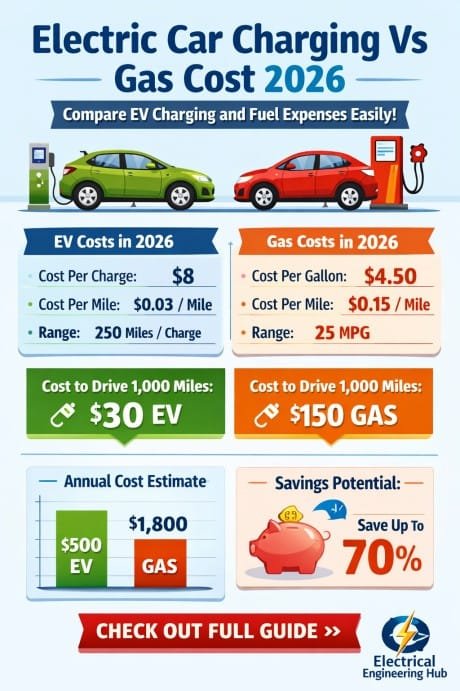
Table of Contents
Drivers today want a simple way to compare charging expenses, fuel economy, maintenance, and yearly savings before making a buying decision. Understanding how electricity rates and gasoline prices affect transportation costs can help consumers choose the most affordable option for their lifestyle.
Why Comparing EV Charging and Fuel Costs Matters in 2026
Fuel prices have remained unstable in many countries due to global energy demand and supply chain challenges. At the same time, more charging stations are becoming available, making electric vehicles practical for daily commuting and long-distance travel.
Explore everything about Electric Vehicle Battery Replacement Cost
The comparison between EV charging costs and gasoline expenses is no longer limited to environmental concerns. Buyers now focus heavily on:
- Monthly transportation budget
- Electricity consumption
- Fuel efficiency
- Charging station availability
- Maintenance expenses
- Long-term savings
A proper Electric Car Charging Vs Gas Cost comparison allows drivers to estimate their real-world yearly expenses.
Average EV Charging Cost in 2026
Charging an electric car depends on battery size, electricity rates, and charging method. Home charging remains the cheapest option for most EV owners.
Here is an average EV charging cost estimate for 2026:
| Charging Type | Average Cost per kWh | Estimated Full Charge Cost | Estimated Driving Range |
|---|---|---|---|
| Home Charging | $0.12 – $0.20 | $8 – $18 | 250 – 350 miles |
| Public AC Charging | $0.20 – $0.35 | $15 – $25 | 250 – 350 miles |
| DC Fast Charging | $0.35 – $0.60 | $25 – $40 | 250 – 350 miles |
A typical electric vehicle can travel around 3 to 4 miles per kWh. This means many EV owners spend significantly less per mile compared to gasoline vehicle drivers.
Use our online tool for free EV Charger Breaker and Wire Size Calculator
Average Gasoline Vehicle Cost in 2026
Gasoline costs depend on fuel prices, vehicle efficiency, and driving habits. SUVs and trucks generally consume more fuel than compact sedans.
The table below shows average gasoline vehicle expenses:
| Vehicle Type | Average MPG | Fuel Price per Gallon | Cost for 300 Miles |
|---|---|---|---|
| Compact Sedan | 32 MPG | $3.80 | $35.60 |
| Mid-Size SUV | 24 MPG | $3.80 | $47.50 |
| Pickup Truck | 18 MPG | $3.80 | $63.30 |
When comparing Electric Car Charging Vs Gas Cost, electric vehicles often deliver lower driving expenses per mile.
Cost Per Mile Comparison
One of the easiest ways to compare electric and gasoline vehicles is cost per mile.
EV Cost Per Mile
Most electric vehicles cost between $0.03 and $0.06 per mile depending on electricity rates.
Gas Vehicle Cost Per Mile
Gas-powered vehicles usually cost between $0.12 and $0.20 per mile depending on fuel economy and gas prices.
| Vehicle Type | Average Cost Per Mile |
|---|---|
| Electric Vehicle | $0.03 – $0.06 |
| Hybrid Vehicle | $0.08 – $0.10 |
| Gasoline Vehicle | $0.12 – $0.20 |
This difference becomes more noticeable for drivers who travel long distances every month.
Use our online tool EV Charger Load Calculation Tool
Annual Driving Expense Comparison
Annual driving expenses can reveal the true financial impact of vehicle ownership.
Assuming a driver covers 15,000 miles annually:
| Vehicle Type | Average Yearly Energy Cost |
|---|---|
| Electric Vehicle | $600 – $900 |
| Hybrid Vehicle | $1,200 – $1,800 |
| Gasoline Vehicle | $2,200 – $3,500 |
The yearly savings from EV ownership can be substantial, especially in regions with lower electricity prices.
Factors That Affect EV Charging Costs
Several elements influence the final cost of charging an electric vehicle.
Electricity Rates
Utility prices vary by region and time of day. Many energy providers offer off-peak charging discounts during nighttime hours.
Battery Size
Larger batteries require more electricity to recharge fully. Luxury EVs often have bigger battery packs compared to compact electric cars.
Know more about Electric Vehicle Charging Station Cost
Charging Speed
Fast chargers are convenient but more expensive than standard home charging systems.
Weather Conditions
Cold weather may reduce battery efficiency and increase charging frequency.
Factors That Affect Gasoline Expenses
Gasoline vehicle operating costs are affected by several conditions as well.
Fuel Prices
Gasoline prices can rise suddenly due to geopolitical events or supply shortages.
Driving Style
Aggressive acceleration and speeding reduce fuel efficiency significantly.
Traffic Conditions
Heavy traffic increases fuel consumption because engines continue burning fuel while idling.
Vehicle Maintenance
Poor engine tuning, dirty filters, and low tire pressure can increase fuel usage.
Maintenance Cost Comparison
Another important part of Electric Car Charging Vs Gas Cost is maintenance spending.
Electric vehicles have fewer moving parts than gasoline cars. They do not require:
- Oil changes
- Spark plug replacement
- Exhaust system repairs
- Engine belt replacement
Use our free tool Electric Car Charging Vs Petrol Calculator
Here is a maintenance comparison:
| Maintenance Item | Electric Vehicle | Gasoline Vehicle |
|---|---|---|
| Oil Changes | Not Required | Required |
| Brake Wear | Lower | Higher |
| Engine Repairs | Minimal | Common |
| Transmission Service | Limited | Regular |
Over several years, EV owners can save thousands in maintenance costs.
Home Charging vs Public Charging
Home charging is generally the most economical choice for EV owners.
Advantages of Home Charging
- Lower electricity rates
- Overnight charging convenience
- Reduced waiting time
- Better long-term savings
Advantages of Public Charging
- Useful for long-distance travel
- Fast charging capability
- Expanding charging networks
Drivers who rely heavily on public fast chargers may experience higher charging expenses compared to home charging users.
Use our free tool Electric Vehicle Charging Time Calculator
Are Electric Vehicles Worth It in 2026?
Electric vehicles make financial sense for many drivers in 2026, particularly those with predictable commuting patterns and access to home charging.
EV ownership becomes even more attractive because of:
- Lower operating costs
- Reduced maintenance expenses
- Government incentives in some regions
- Improved battery technology
- Expanding charging infrastructure
However, gasoline vehicles may still suit drivers in remote areas where charging infrastructure remains limited.
Best Way to Calculate Your Savings
To accurately compare Electric Car Charging Vs Gas Cost, drivers should calculate:
- Monthly mileage
- Local electricity rates
- Average fuel prices
- Vehicle efficiency
- Maintenance expenses
Online EV charging calculators can simplify this process and provide a realistic estimate of yearly savings.
Future Trends in EV Charging and Fuel Costs
The transportation industry is changing rapidly. Experts predict that EV charging technology will become faster and more affordable over the next few years.
Several trends are shaping the future:
- Ultra-fast charging stations
- Solar-powered charging systems
- Smart home charging integration
- Higher gasoline taxes in some countries
- Improved battery efficiency
Find all about EV Charging Station Code Requirements
As these technologies improve, the gap between electric vehicle operating costs and gasoline expenses may become even larger.
Conclusion
The comparison between Electric Car Charging Vs Gas Cost clearly shows that electric vehicles can provide significant savings in 2026. Lower energy costs, reduced maintenance expenses, and improving charging infrastructure make EV ownership more practical than ever.
While gasoline vehicles still offer advantages in certain situations, electric cars are becoming a cost-effective solution for daily transportation. Drivers who travel frequently can especially benefit from lower charging expenses and reduced long-term operating costs.
Before purchasing a new vehicle, consumers should compare electricity prices, fuel rates, yearly mileage, and maintenance requirements carefully. A proper cost analysis helps buyers make a smart financial decision while preparing for the future of transportation.
Know more about ChargePoint Charging Station Cost
Follow Us on Social:
Subscribe our Newsletter on Electrical Insights for latest updates from Electrical Engineering Hub
#ElectricCarChargingVsGasCost,#EVChargingCost,#GasVsElectricCar,#ElectricVehicleSavings,#EVCalculator,#ChargingCostCalculator,#ElectricCarSavings,#FuelCostComparison,#EVCharging,#GreenDriving
