
EVIQO NACS 48A EV Charger for Tesla: Engineer’s Review, Price & Install Guide
EVIQO NACS 48A EV charger for Tesla review: specs, price, 60A wiring, manual and install steps from an electrical engineer. Is 48A safe?
Choosing a home EV charger comes down to amperage, plug type, smart features, and how easily it installs in your garage. Below are our quick picks, followed by a short buying guide. Browse every review and comparison underneath.
Quick Picks
Compact and smart: Wallbox Pulsar Plus for small garages
NACS-ready 48A: Wallbox Pulsar Plus NACS review
50A power: Autel MaxiCharger Home review
Energy monitoring: Emporia Pro vs ChargePoint Home Flex
Budget and Level 1 or 2: Raylix Level 1&2 review
Solar and home energy users: Enphase IQ 50 review
How to Choose a Home EV Charger
Level 1 vs Level 2: Level 1 uses a standard 120V outlet and adds only a few miles of range per hour. Level 2 uses 240V and typically adds roughly 20 to 40 miles per hour, depending on the charger’s amperage and your vehicle.
Amperage: A charger is a continuous load, so the circuit breaker should be rated at 125% of the charger’s amps. A 40A charger needs a 50A circuit, and a 48A charger needs a 60A circuit. Check your panel capacity before you buy.
Plug-in vs hardwired: Plug-in models use a NEMA 14-50 outlet and top out at 40A. Hardwired installs support 48A and higher, but they are less portable.
Connector type: Most home chargers use J1772, and Tesla owners need an adapter. Some newer models ship with a native NACS connector.
Smart features: Wi-Fi scheduling, app control, and energy monitoring can cut costs if your utility offers time-of-use rates. Also check for UL listing and utility rebates.
All EV Charger Reviews and Comparisons
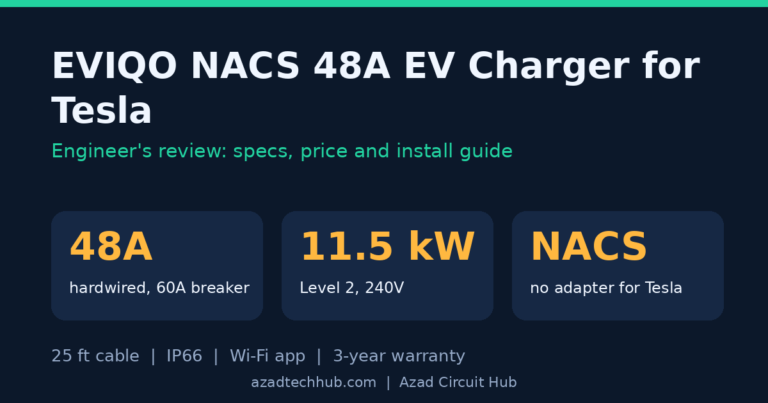
EVIQO NACS 48A EV charger for Tesla review: specs, price, 60A wiring, manual and install steps from an electrical engineer. Is 48A safe?
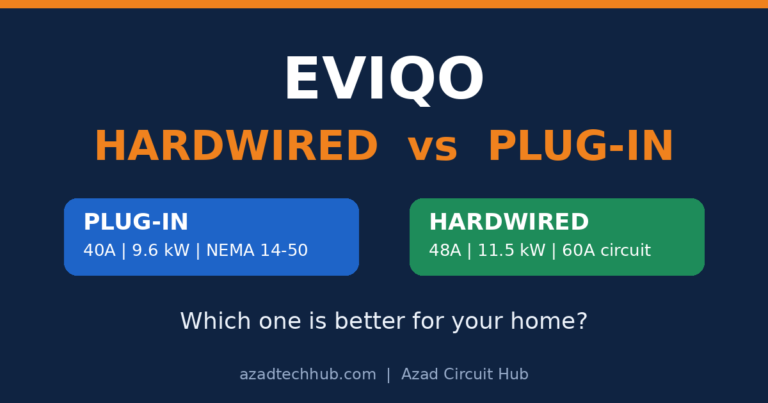
Eviqo hardwired vs plug in which is better? An electrical engineer compares 40A vs 48A speed, wiring, cost, and safety, plus how many amps you really need.
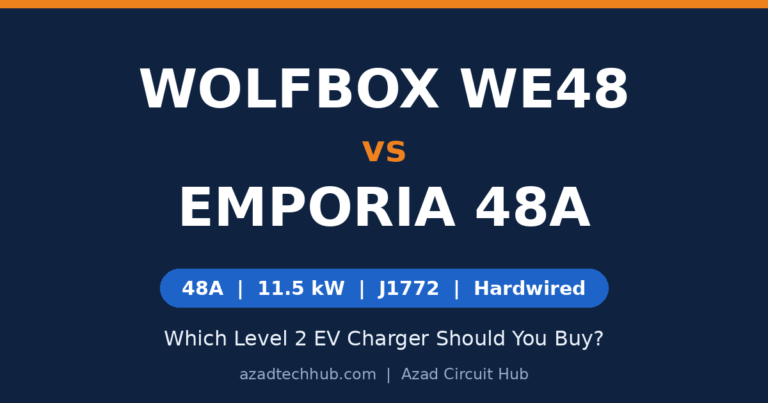
Wolfbox WE48 vs Emporia 48A compared by an electrical engineer: specs, wiring, Wi-Fi setup, app features, price, and which 48A charger to buy.
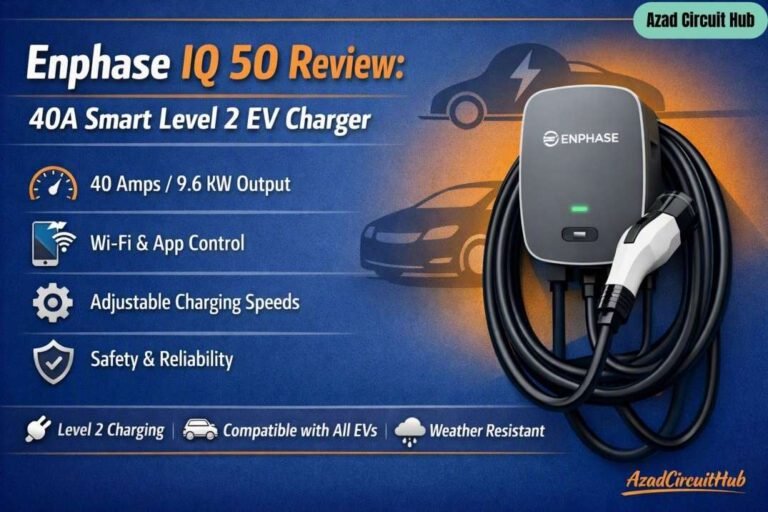
Enphase IQ 50 Review covering 40A charging, smart features, EV compatibility, installation, charging speed, and value for home EV charging.
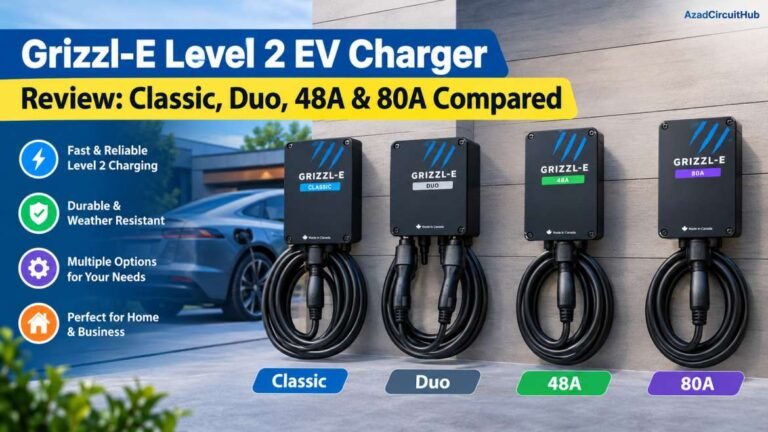
Grizzl-E Level 2 EV Charger Review compares Classic, Duo, 48A, and 80A models, covering charging speed, features, compatibility, and buying tips.
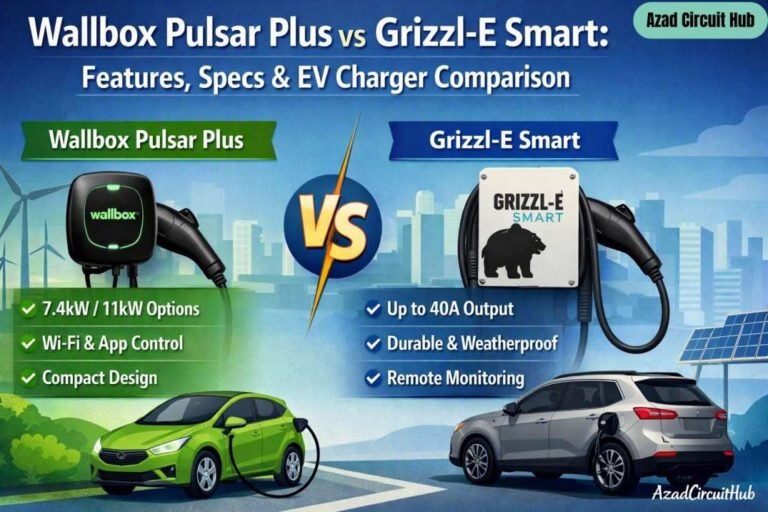
Wallbox Pulsar Plus vs Grizzl-E Smart comparison of charging speed, smart features, installation, durability, compatibility, and value for home EV charging.
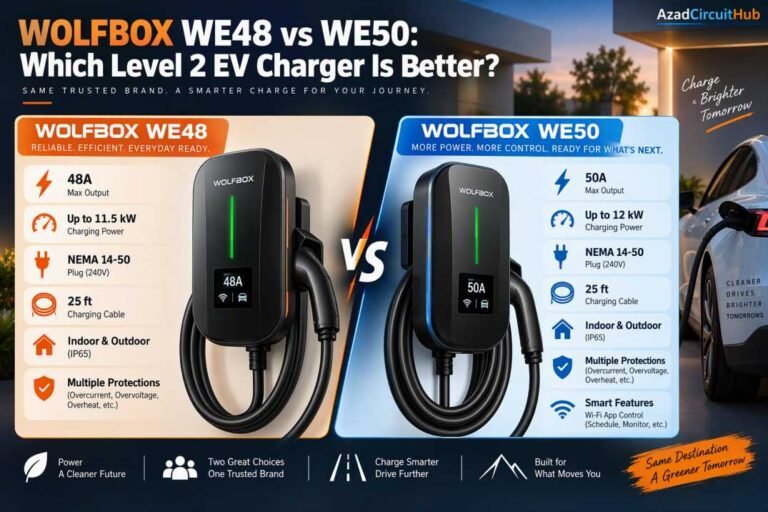
WOLFBOX WE48 vs WE50 comparison of charging speed, amps, features, installation, connectivity, and value to help you choose the right EV charger.
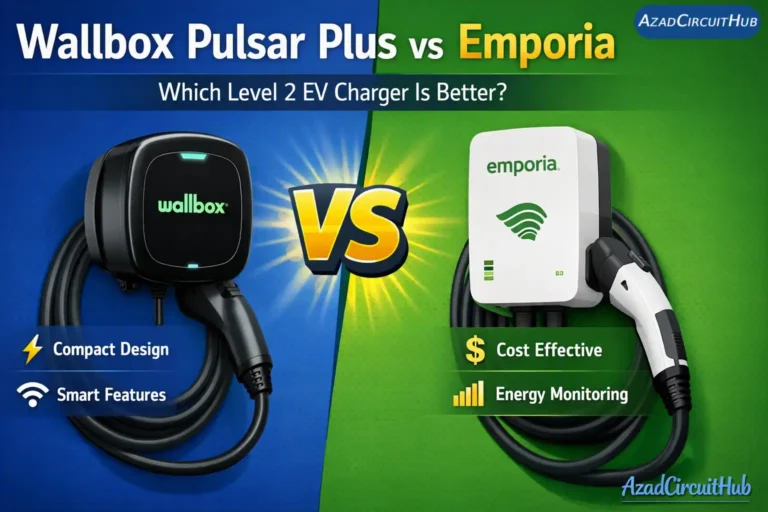
Wallbox Pulsar Plus vs Emporia comparison covering charging speed, smart features, installation, app controls, energy monitoring, and home EV charging value.
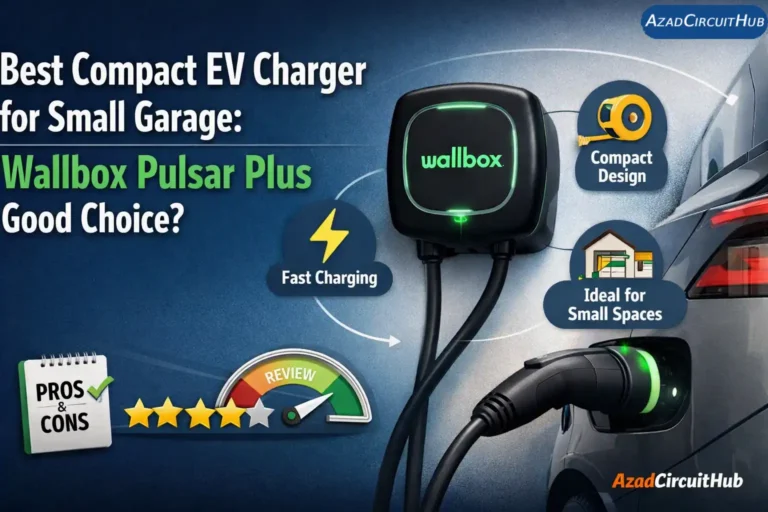
Compact EV Charger, Small Garage EV Charger, Level 2 EV Charger, Home EV Charging, EV Charger Buying Guide
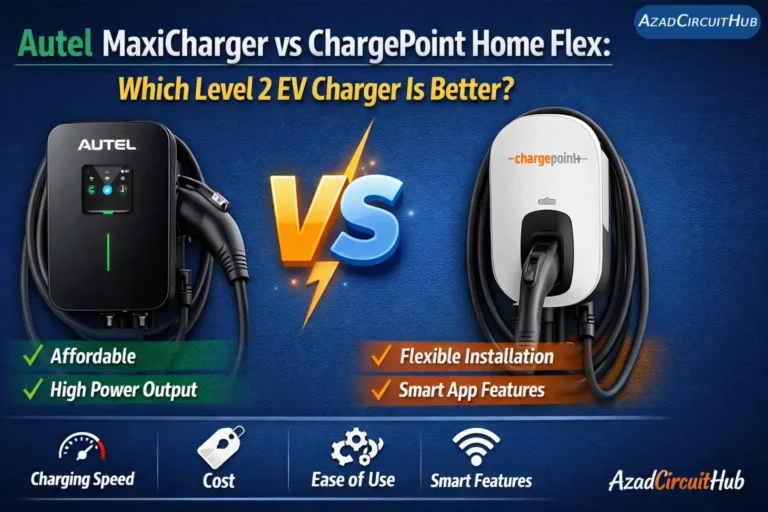
Autel MaxiCharger vs ChargePoint Home Flex comparison covering charging speed, smart features, installation, connectivity, and value for home EV charging.
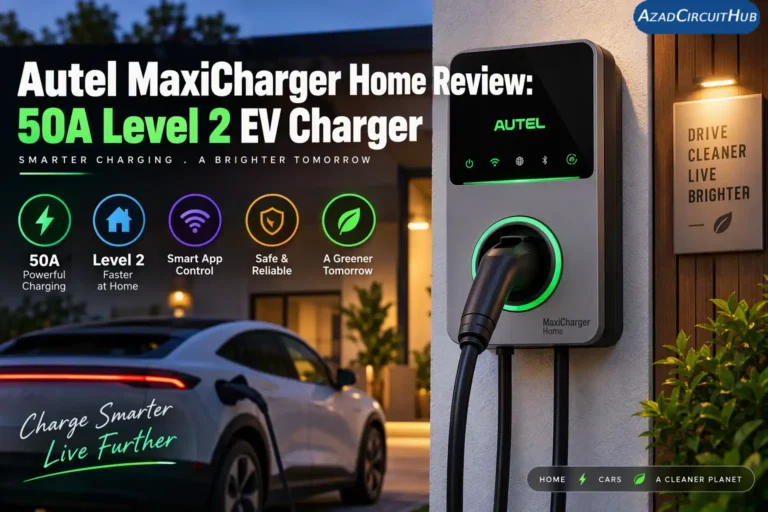
Autel MaxiCharger Home Review 50A Level 2 EV Charger with charging speed, smart features, installation, compatibility, safety, and home charging value.
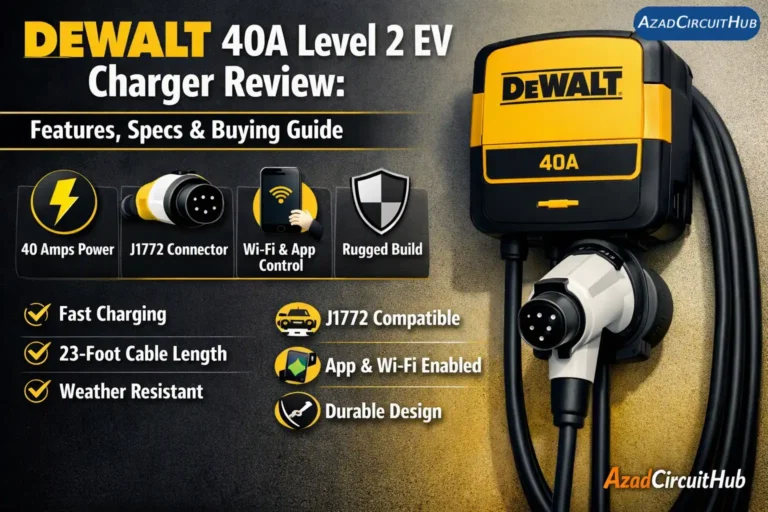
DEWALT 40A Level 2 EV Charger Review covering charging speed, features, installation, compatibility, safety, and value for home EV charging.
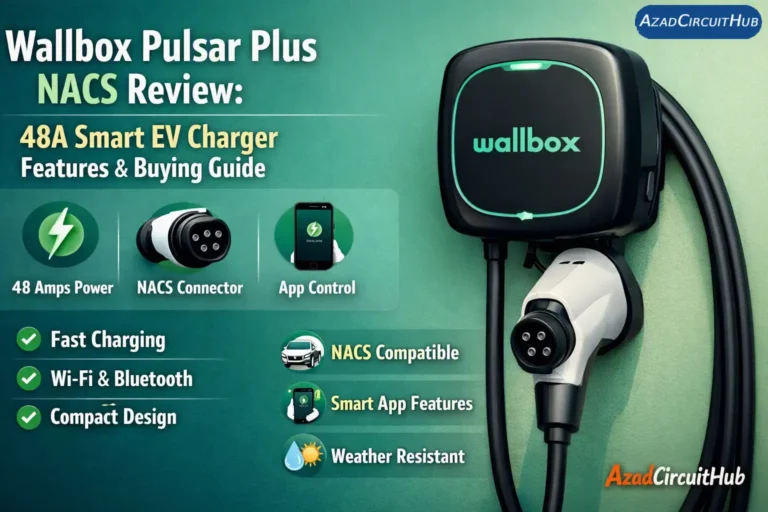
Wallbox Pulsar Plus NACS Review: 48A smart EV charger with NACS, Wi-Fi, app controls, charging speed, installation, compatibility, and key features.
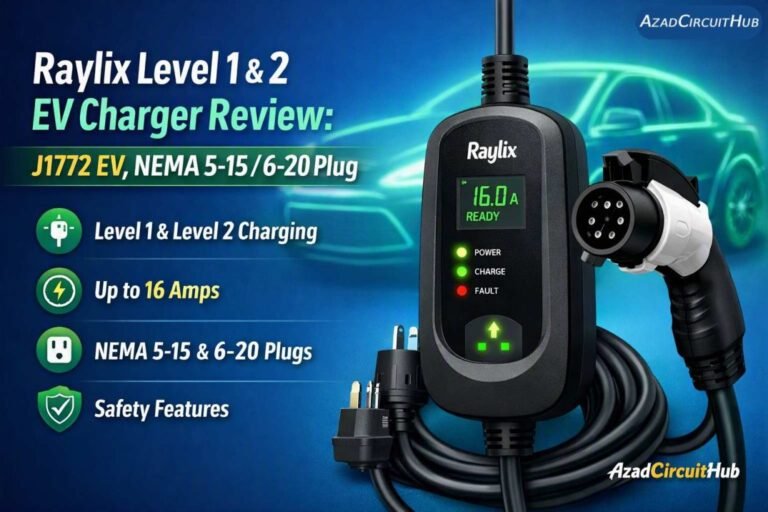
Raylix Level 1&2 EV Charger Review covering J1772 compatibility, NEMA 5-15/6-20 plugs, charging speed, features, installation, and value.
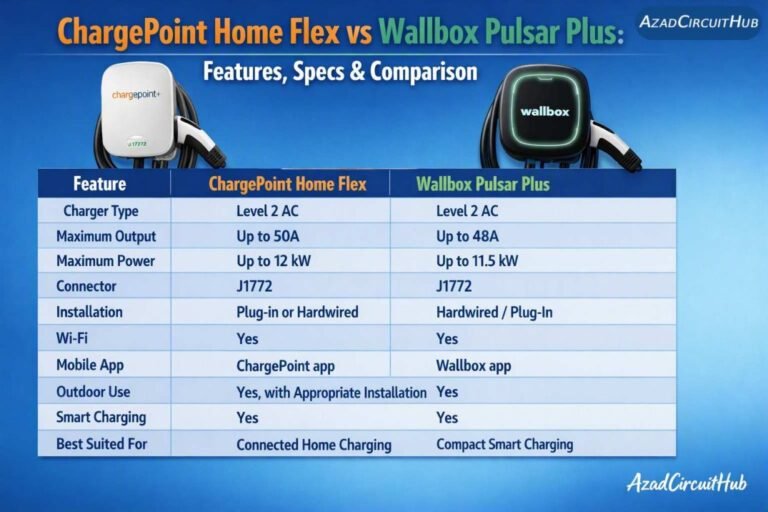
ChargePoint Home Flex vs Wallbox Pulsar Plus: compare charging speed, smart features, installation, connectivity, compatibility, and key differences.
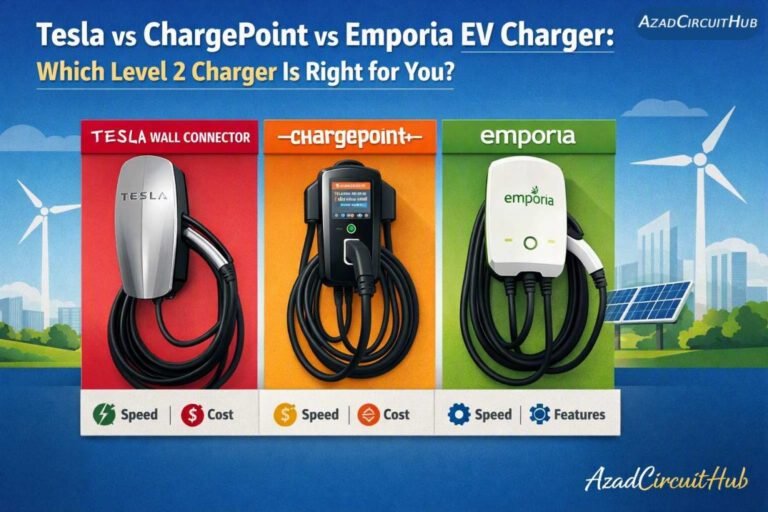
Tesla vs ChargePoint vs Emporia EV Charger comparison covering charging speed, features, smart controls, installation, compatibility, and pricing.
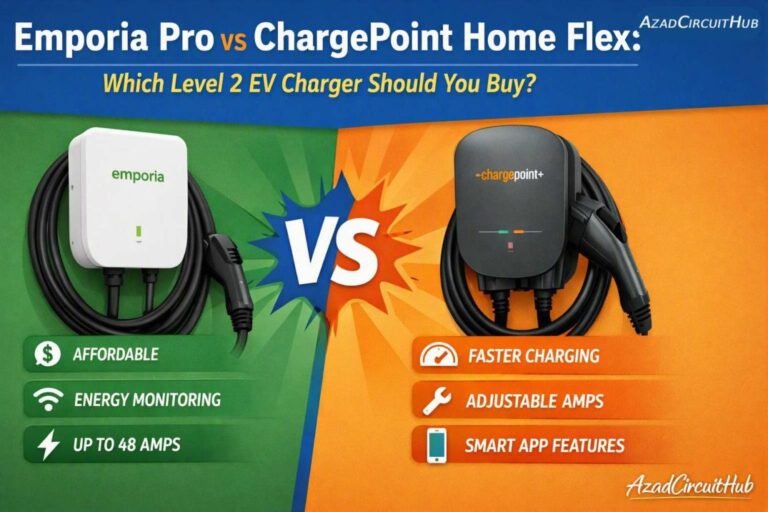
Emporia Pro vs ChargePoint Home Flex compared for charging speed, smart features, energy monitoring, installation, compatibility, and home EV charging.
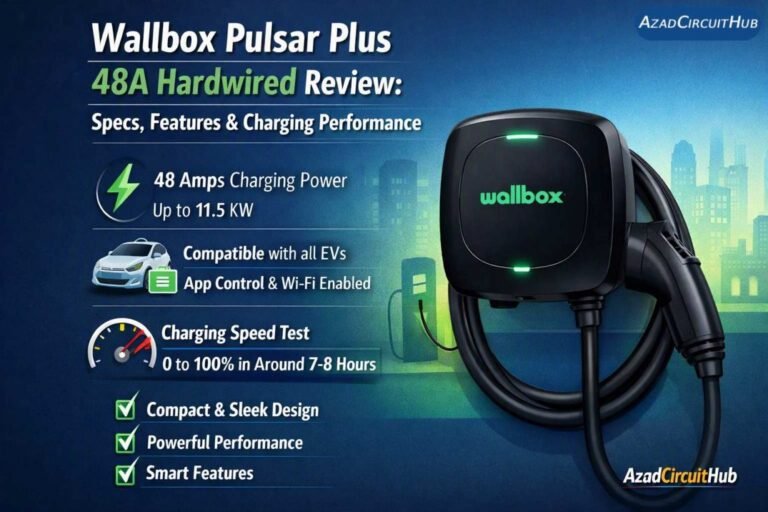
Wallbox Pulsar Plus 48A Hardwired Review covering specs, 11.5kW charging, installation, Wi-Fi, app features, compatibility, and key pros and cons.
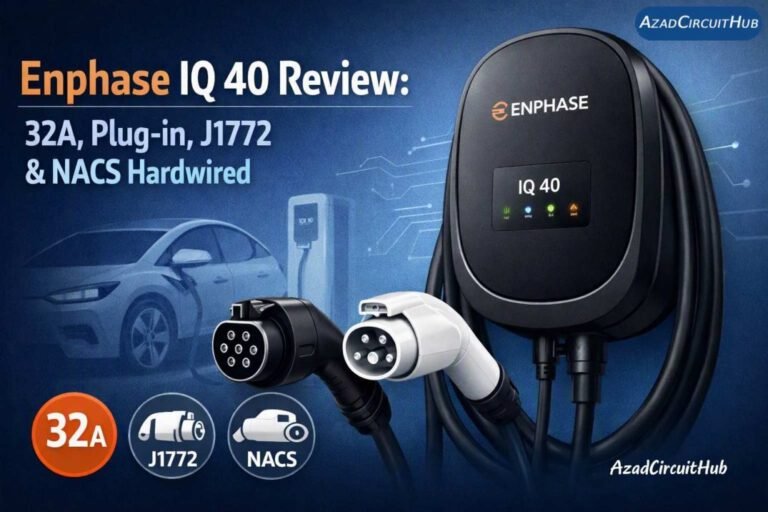
Enphase IQ 40 Review covering 32A charging, plug-in and hardwired options, J1772 and NACS compatibility, features, installation, and pricing.
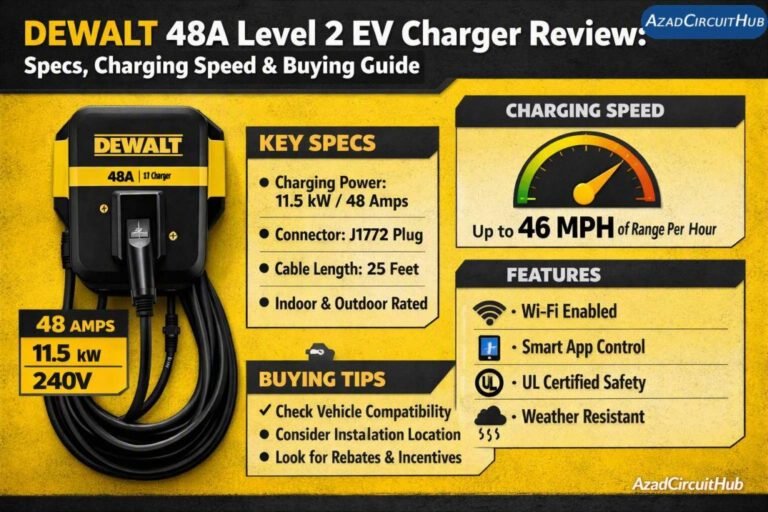
DEWALT 48A Level 2 EV Charger review covering charging speed, 11.5kW output, installation, features, compatibility, and key buying considerations.
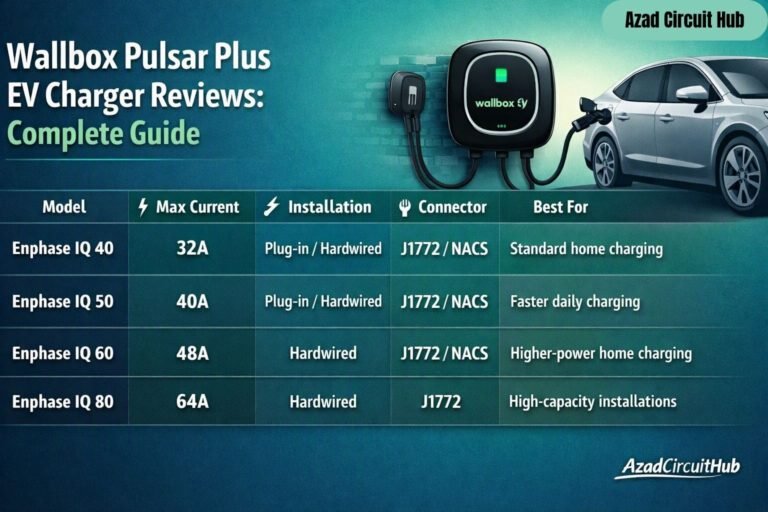
Wallbox Pulsar Plus EV Charger Reviews covering charging speed, features, installation, smart controls, compatibility, pricing, and home EV charging.
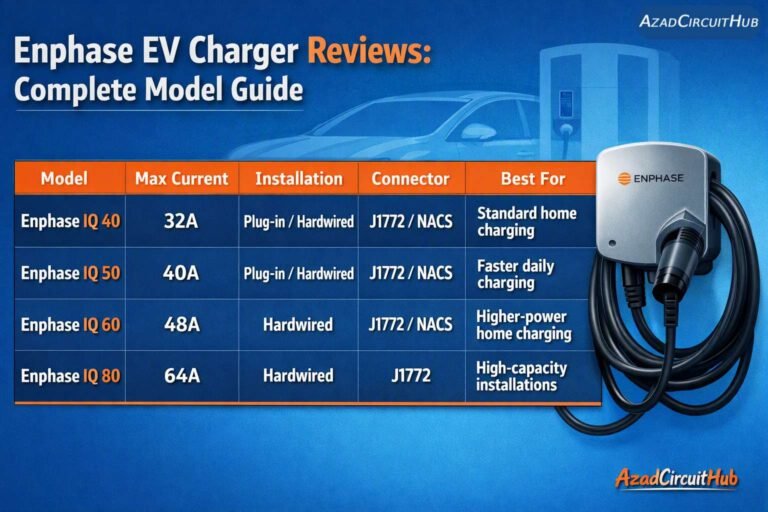
Enphase EV Charger Reviews covering models, features, charging speed, compatibility, installation, pricing, and key differences for home EV charging.
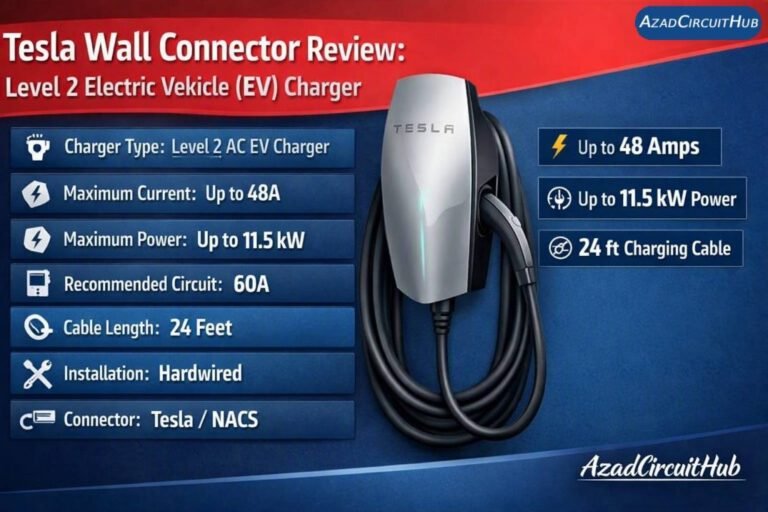
Tesla Wall Connector Review covering charging speed, features, installation, compatibility, and 48A Level 2 EV charging for home use.
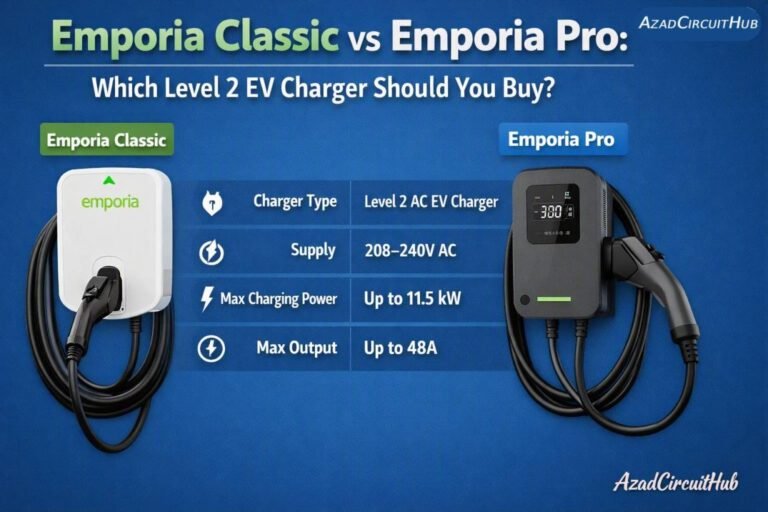
Emporia Classic vs Emporia Pro: compare charging speed, features, smart energy monitoring, installation, and value to choose the right Level 2 EV charger.
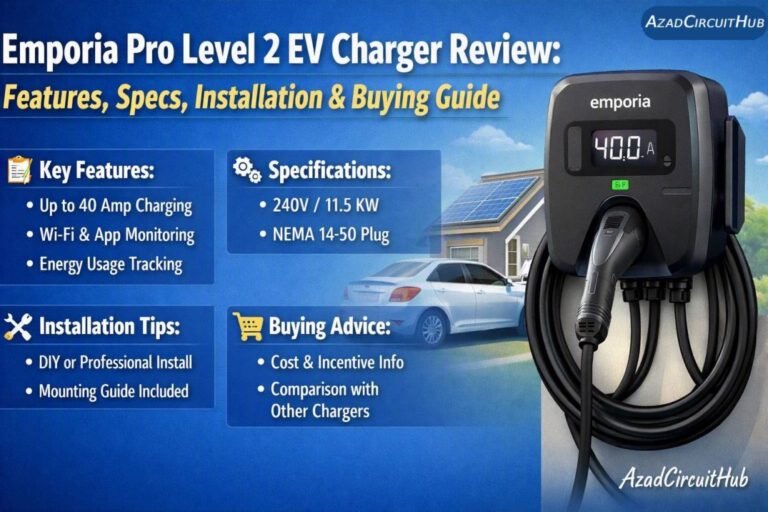
Emporia Pro Level 2 EV Charger review covering specs, smart features, charging speed, installation, safety, and buying tips for home EV charging.
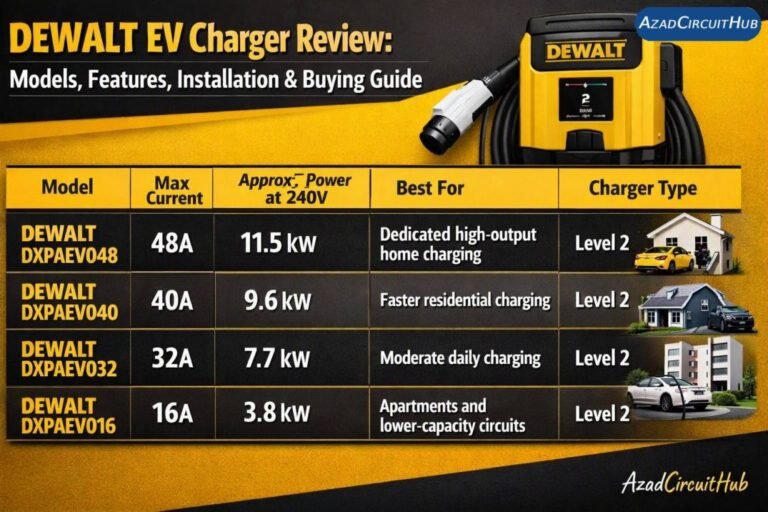
DEWALT EV Charger Review covering models, charging speed, features, installation, compatibility, pricing, and buying tips for home EV charging.
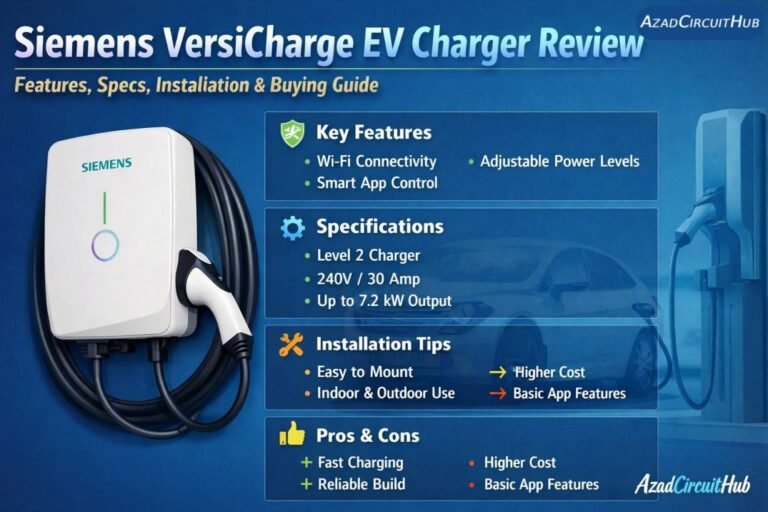
Siemens VersiCharge EV Charger Review covering features, specs, installation, charging performance, compatibility, and buying considerations for home EV charging.
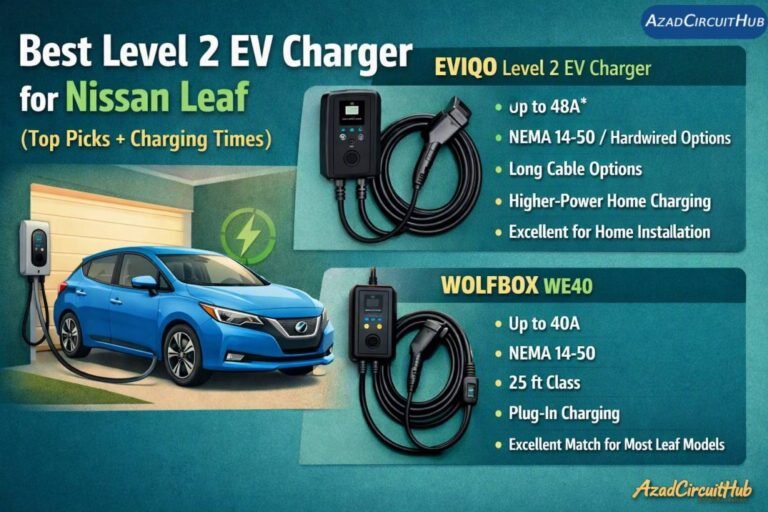
Best Level 2 EV Charger for Nissan Leaf with top picks, charging times, J1772 compatibility, home charging tips, and buying advice.

Find the best J1772 EV charger and charging cables for 2026. Compare Level 2 chargers, charging speeds, compatibility, safety features, and prices.
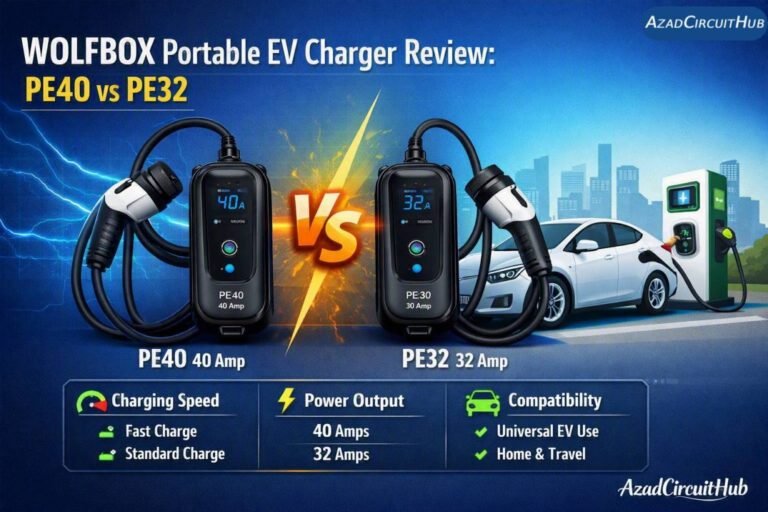
WOLFBOX Portable EV Charger Review: PE40 vs PE32 compared for amps, charging speed, portability, features, and home EV charging needs.