Difference Between RTD and Thermocouple: Best Guide
RTDs and Thermocouples have the same function of temperature measurement but there is a significant difference between RTD and thermocouple when we study the design
Your blog category
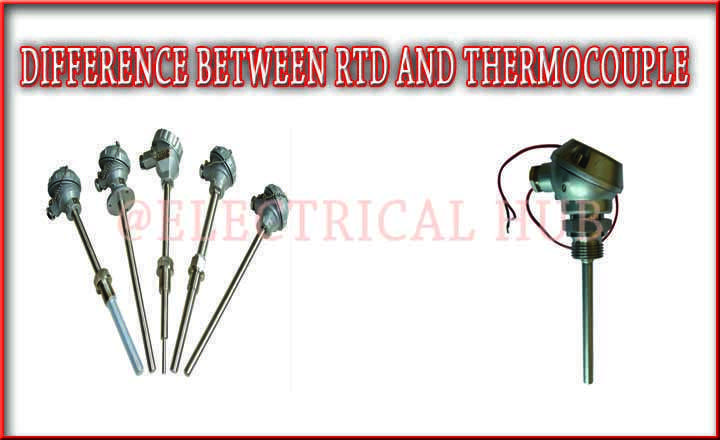
RTDs and Thermocouples have the same function of temperature measurement but there is a significant difference between RTD and thermocouple when we study the design

A thyristor dimmer, also known as a silicon-controlled rectifier (SCR) dimmer, is an electronic device used to control the brightness or intensity of lighting or the speed of electric motors in various applications. It works by adjusting the voltage supplied to the load, such as an incandescent lamp or an AC motor, to control the output.
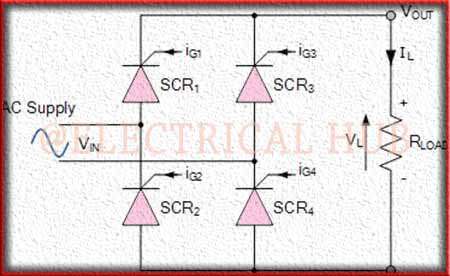
A thyristor rectifier circuit, often known as a thyristor-based rectifier or just an SCR rectifier, is an essential electrical circuit used to convert alternating current (AC) into direct current (DC). Numerous industrial applications, such as power supplies, motor drives, battery charging systems, and others, frequently use this kind of rectification technology.
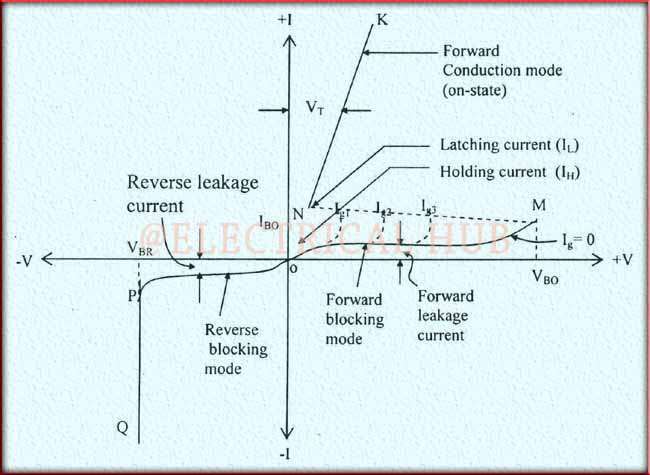
To turn the thyristor on, a gate voltage is applied, typically requiring a positive pulse greater than a threshold value. Once triggered, the thyristor becomes conductive and allows a significant current to flow from the anode to the cathode. Unlike transistors, thyristors latch in the “on” state even if the gate voltage is removed.
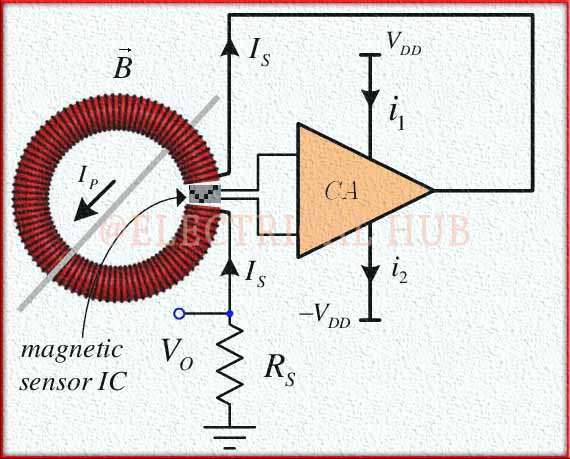
At the heart of the DC current transformer working principle is its core and coil arrangement. Similar to AC transformers, DC current transformers consist of a magnetic core and primary and secondary windings. The primary winding, typically consisting of a single turn or a few turns of a thick conductor, is connected in series with the DC circuit carrying the current to be measured.
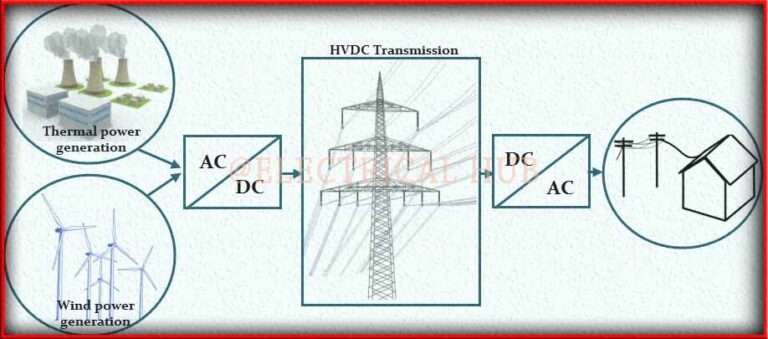
HVDC Transmission is transforming long-distance power transfer with higher efficiency and stability. Learn its important components, working principles, and practical applications in modern power grids.
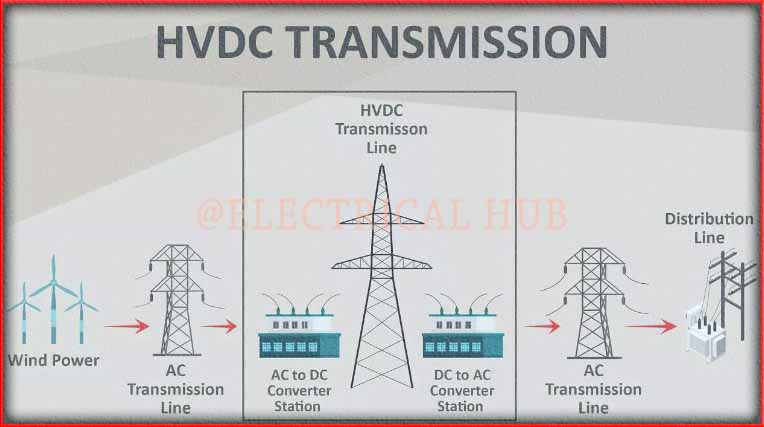
The effectiveness and adaptability of High-Voltage Direct Current (HVDC) transmission systems in the long-distance transmission of electrical power are well known. Each system performs a critical role in ensuring effective power transfer and grid stability while operating in different HVDC operating modes. We’ll go into great detail about the various HVDC operating modes in this article.
HVDC Converter Efficiency HVDC Converter Efficiency is an important factor in…
HVDC Converter technology plays a pivotal role in modern power transmission,…
Piezoelectric Effect The piezoelectric effect is a fascinating phenomenon that lies…
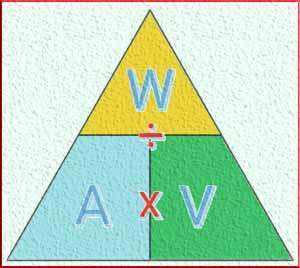
Discovering how electricity works can seem like a daunting task, especially…
Power transformers, the backbone of electrical systems, undergo meticulous testing to…
Operating reserves are an essential component of power systems to maintain…
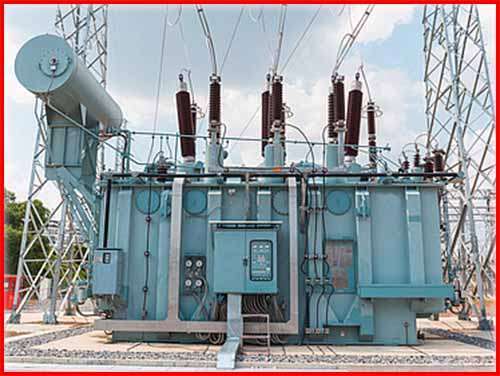
Power transformer manufacturers play a pivotal role in the global energy…
In the field of electrical engineering and energy distribution, power transformer…
Semiconductor fuses play a crucial role in protecting sensitive electronic devices…
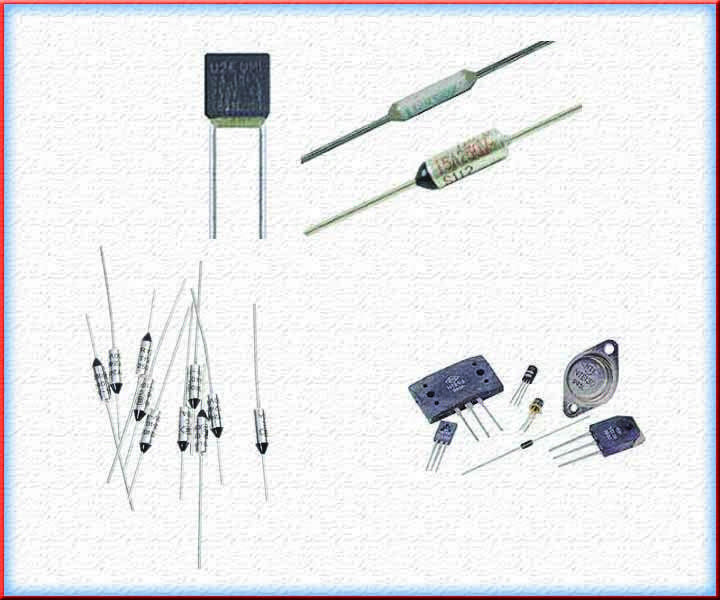
Thermal fuses, often referred to as thermal cutoffs or TCOs, are…
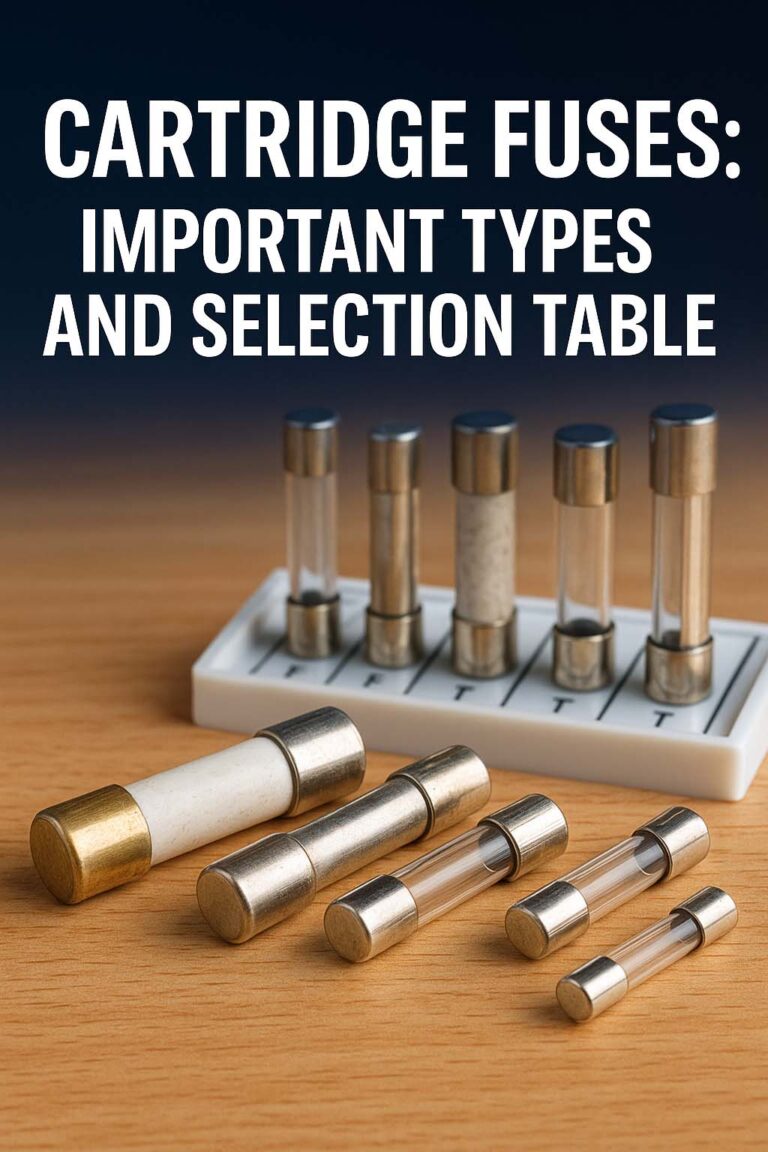
Cartridge fuses are a fundamental component in electrical systems, providing essential…
When it comes to powering motors, one of the critical aspects…
Fuses play a pivotal role in electrical systems by safeguarding circuits…
The application of HRC fuses (High Rupturing Capacity fuses) spans across…
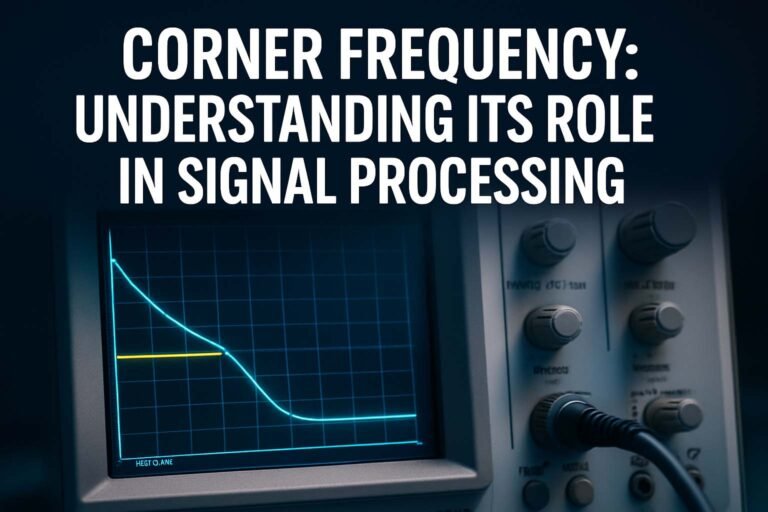
Explore the concept of corner frequency and its crucial role in signal processing. Learn how it impacts filter design, frequency response, and overall electronic signal performance.
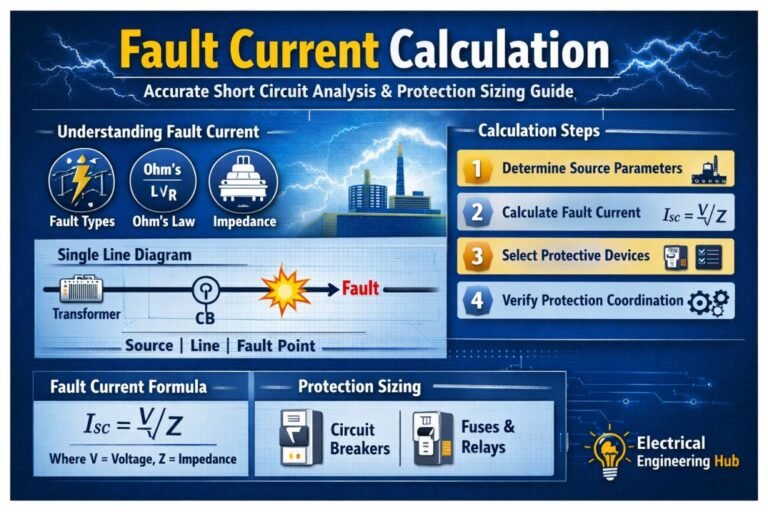
Fault Current Calculation made simple with practical formulas, examples, and an easy-to-use calculator. Learn how to determine short circuit current for proper equipment selection, relay coordination, and electrical system protection.
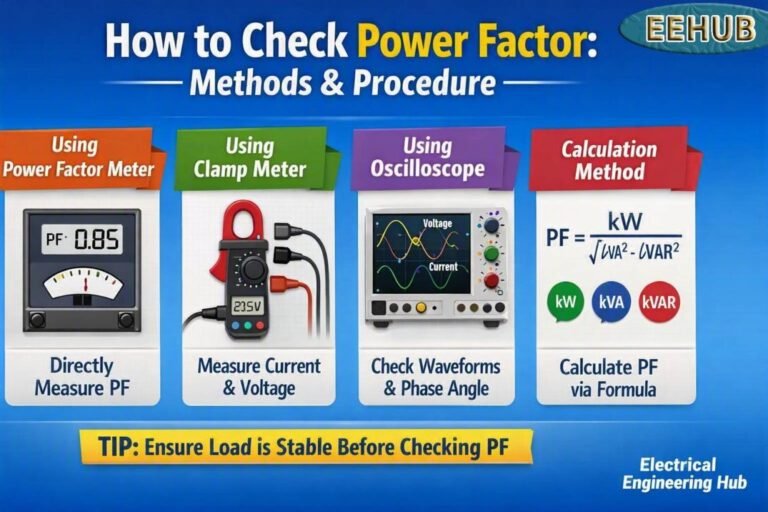
How to Check Power Factor using meters, power analyzers, and calculation methods. Learn the step-by-step procedure, formulas, readings, and practical testing tips.
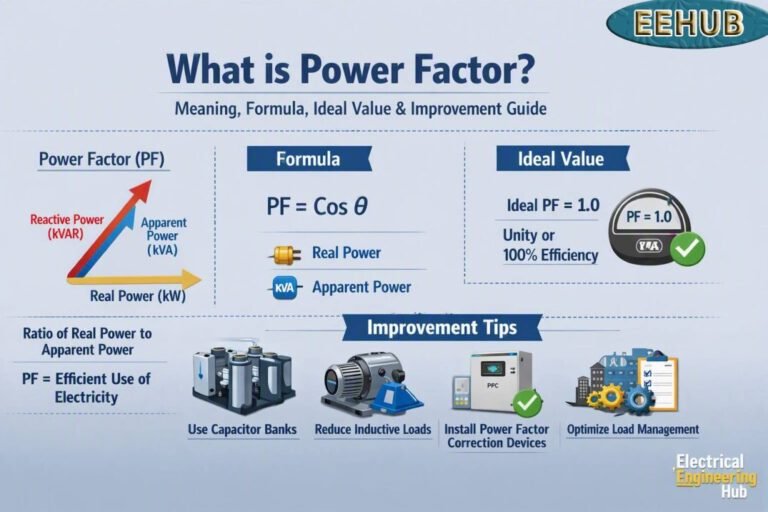
What is Power Factor? Learn its meaning, formula, ideal value, types, effects on electrical systems, and practical methods to improve power factor and reduce energy losses.
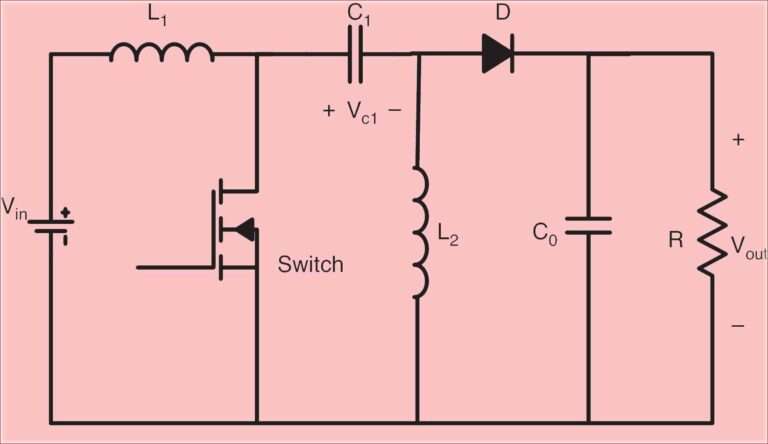
DC to DC converter types are used in power electronics to efficiently convert one DC voltage level to another. They find applications in various fields, such as power supplies, renewable energy systems, electric vehicles, and portable electronic devices.
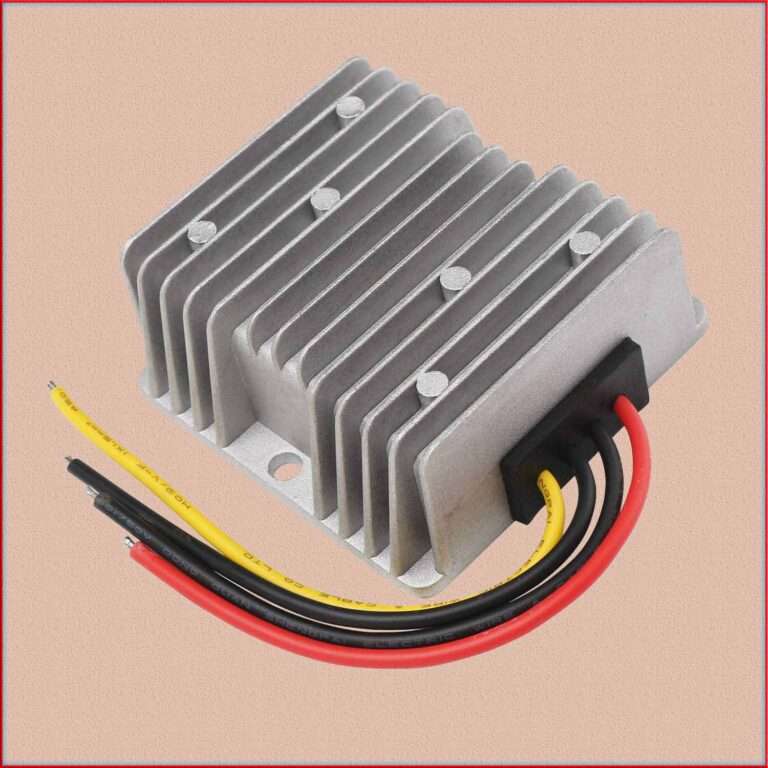
A DC to DC converter 24V to 12V is a crucial electronic device used to step down the voltage from 24 volts to a stable 12V output. This type of converter is commonly used in various applications where a lower voltage is required from a 24V power source.
DC to DC converter 48V to 12V Design involves creating an efficient and reliable circuit that steps down the higher DC voltage of 48 volts to a stable 12V output. This step-by-step guide will walk you through the design process, including calculations and an example, to achieve a well-functioning converter.

AC to DC converter design involves transforming the alternating current (AC) from the power mains into a direct current (DC) with a specific output voltage. In this step-by-step guide, we will focus on designing a full-wave bridge rectifier followed by a capacitor filter to convert AC to a stable DC voltage.

DC to DC converter design involves several steps to ensure the converter’s efficiency, stability, and proper voltage regulation. Let’s go through a step-by-step guide for designing a buck converter, which is one of the most common types of DC to DC converters.