HC-05 Bluetooth Module: A Comprehensive Guide
The HC-05 Bluetooth module is a widely used and versatile wireless communication module that enables Bluetooth connectivity in electronic projects.
Your blog category

The HC-05 Bluetooth module is a widely used and versatile wireless communication module that enables Bluetooth connectivity in electronic projects.

Since the 1590s, humanity’s fascination with measuring pressure changes has evolved from simple glass tubes to sophisticated pressure sensors.
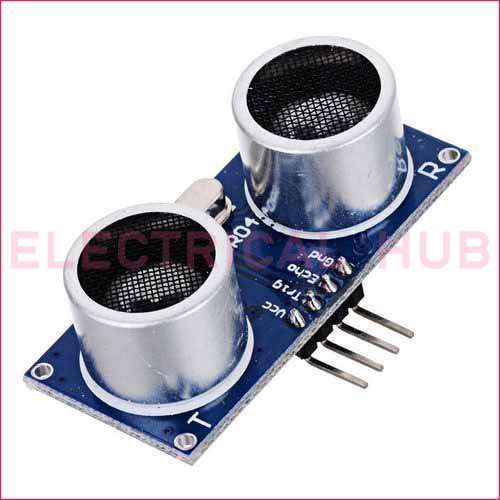
Ultrasonic sensors are devices that use ultrasonic waves, which are sound waves with frequencies higher than the audible range for humans (typically above 20,000 hertz), for various applications.
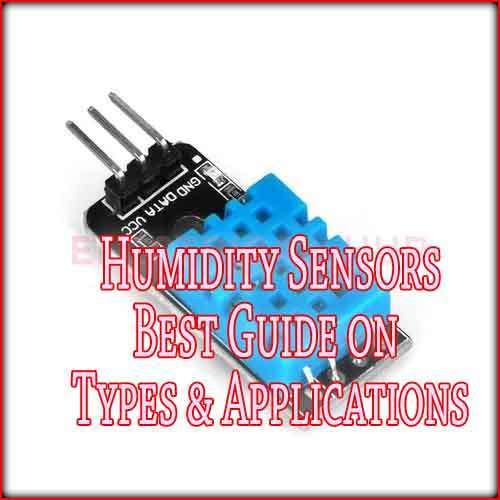
Humidity sensors, also known as hygrometers, are devices designed to measure and monitor the amount of moisture or water vapor in the air.
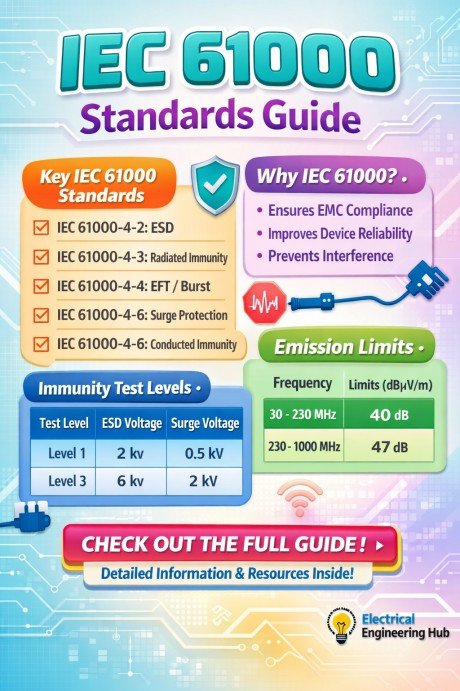
IEC 61000 Standards define essential electromagnetic compatibility (EMC) requirements for electrical and electronic equipment. Explore testing methods, compliance guidelines, and practical applications for industrial systems.

In the dynamic world of sensing technology, Temperature Sensors stand as vital instruments, providing insights into the thermal characteristics of the environment.

In the dynamic field of sensing technologies, Infrared Sensors emerge as…
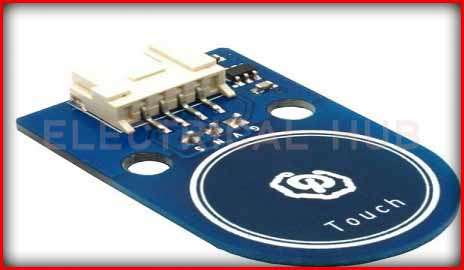
In our increasingly interconnected and digital era, touch sensors stand as silent conduits between the tangible and the virtual.
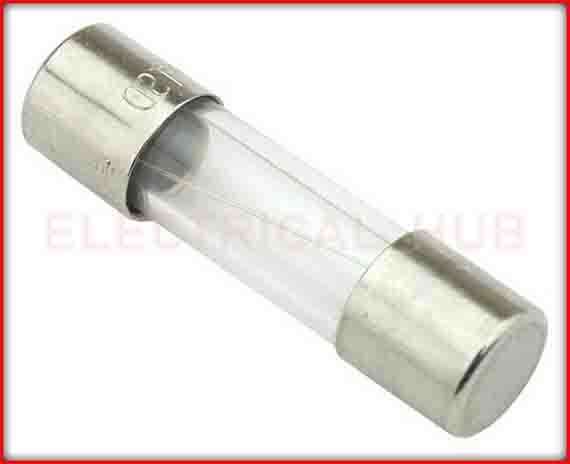
Fast blow vs slow blow fuse refers to two distinct types of fuses employed in electrical circuits, each with unique characteristics that cater to specific operational needs and protection requirements.

An AMOLED display (Active Matrix Organic Light Emitting Diode) is a type of screen technology used in electronic devices like smartphones, TVs, and smartwatches. It’s known for its vibrant colors, high contrast levels, and energy efficiency.
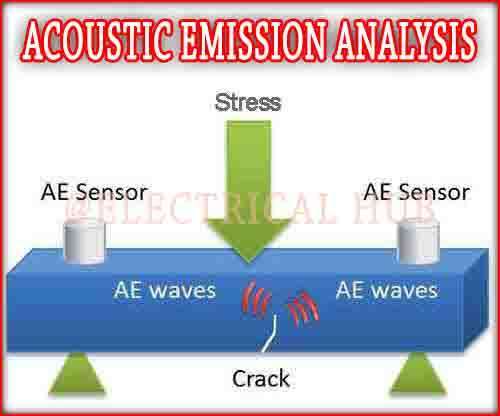
Acoustic emission analysis, a powerful testing method, involves affixing tiny sensors onto a tested component. These sensors convert stress waves into electrical signals, relayed to an acquisition PC for processing.

A rheostat is like an adjustable knob that lets you control the volume on your speakers, but instead of sound, it deals with electrical current. It’s a variable resistor that allows us to manage the flow of electricity in a circuit.

The MT3608 Boost Converter Module is a compact, high-efficiency voltage booster designed to elevate voltages from as low as 2V up to a maximum of 28V DC. This device plays a vital role in applications where precise voltage amplification is essential. Its compact size and versatile design make it a preferred choice for a wide range of voltage-boosting requirements.

The LM2587 IC, renowned in the domain of electronics, stands as a pivotal component in voltage regulation and power management. As a switching regulator, it excels in transforming input voltages into higher, more controlled output levels, making it an indispensable choice across a wide array of electronic applications.

The MC34063 IC is a versatile and widely used monolithic switching regulator. It’s renowned for its efficiency and flexibility in DC DC converter applications. Let’s explore its technical specifications, features, applications, and common troubleshooting issues.

The LM2577 is more than just a tiny chip in the world of electronics; it’s a key player in power management. This little marvel belongs to the family of voltage regulator integrated circuits, and it’s a master at boosting voltage levels efficiently. When you need to take a low input voltage and elevate it to a higher output voltage, the LM2577 steps in with its wizardry.

Embedded within the core of voltage regulation systems, the MT3608 IC reigns supreme as a powerhouse component renowned for its exceptional efficiency, adaptability, and compact design. Its primary function revolves around seamlessly transforming low voltages into higher, more usable levels, making it an indispensable component across a myriad of electrical circuits and applications. .
The Manifold Absolute Pressure sensor, commonly known as the MAP sensor, plays a pivotal role in regulating fuel injection in an engine. Functioning as an indirect airflow meter, it interprets vital signals for the engine’s fundamental fuel injection control.

The LDR “Light Dependent Resistor”, also known as a photoresistor, comprises high-resistance semiconductor material, facilitating adaptable resistance in response to light exposure.
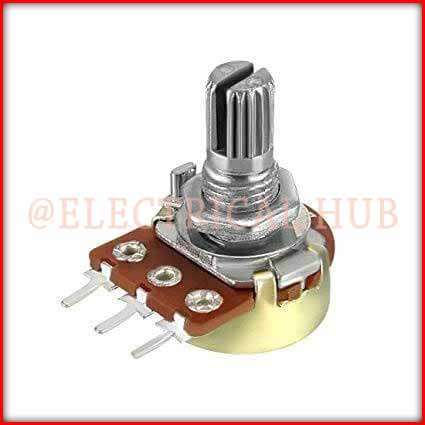
A variable resistor, also known as a potentiometer, is a fundamental electronic component that allows manual control over the amount of resistance in an electric circuit. Its primary function is to regulate the flow of electric current by adjusting the resistance, enabling precise control over voltage, current, or signal levels.
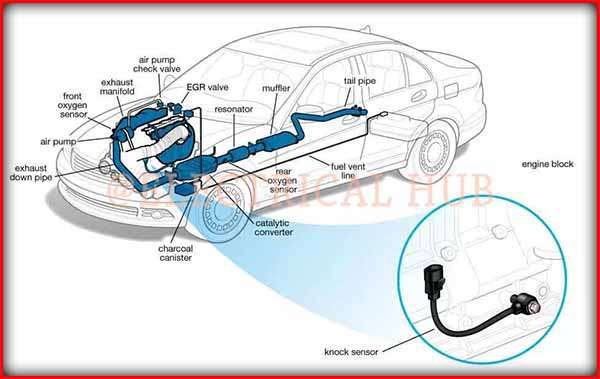
In the realm of internal combustion engines, a crucial yet understated component exists: the Knock Sensor. These unassuming devices serve a pivotal function, detecting the subtlest signs of engine knock and safeguarding the vehicle’s core mechanisms.
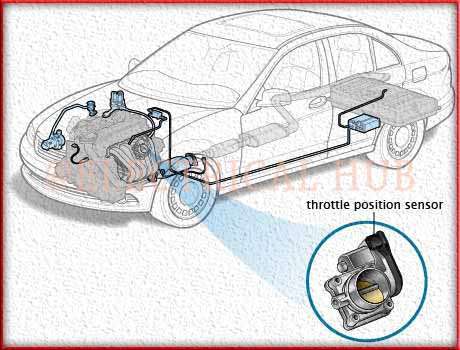
The throttle position sensor, often referred to as the TPS sensor or Throttle Valve Position sensor, serves as a vital component within the electronic throttle control system. Seamlessly integrated into the throttle body, this sensor meticulously monitors the angle of your vehicle’s throttle.
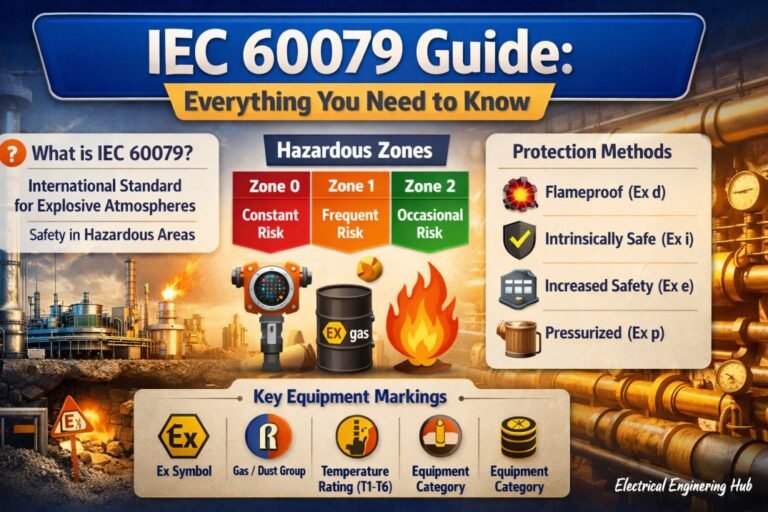
IEC 60079 is a sequence of global standards developed with the aid of the International Electrotechnical Commission (IEC) that addresses the device utilized in explosive atmospheres, wherein there may be a chance of hearth or explosion due to the presence of flammable gases, vapors, or flamable dusts.
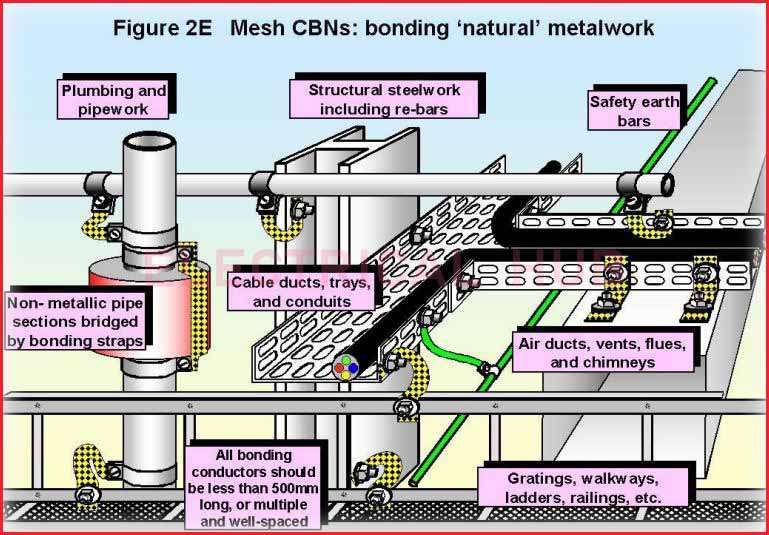
IEC 61000-5-2 is an international standard that provides guidelines for characterizing the immunity of industrial environments against voltage dips, short interruptions, and voltage variations on the electrical supply. This standard is a part of the IEC 61000 series, which addresses electromagnetic compatibility (EMC) issues.

A flyback converter, also known as a flyback transformer or buck-boost converter, is a type of switched-mode power supply (SMPS) used to convert one DC voltage to another. It is commonly used in low to medium-power applications and has unique features that make it suitable for a variety of electronic devices and power sources.

Let’s take a deep dive into the Kyoto Agreement vs Paris Agreement, two essential worldwide treaties that take at the pressing problem of climate exchange. Although their common intention is to fight worldwide warming, these agreements appoint pretty distinct methods and necessities.

The Kyoto Protocol, mounted in 1997, stands as a historic milestone in the worldwide effort to fight weather change. This international agreement, under the United Nations Framework Convention on Climate Change (UNFCCC), introduced binding emission discount targets for developed nations.
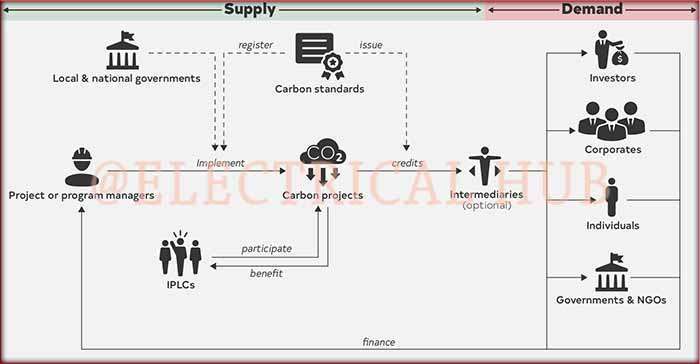
Carbon credits have emerged as a critical weapon in the global fight against climate change. These credits provide a realistic way to cut greenhouse gas emissions while also promoting sustainability. In this post, we will look at the notion of carbon credits, the Clean Development Mechanism (CDM), and the certification process for selling carbon credit.
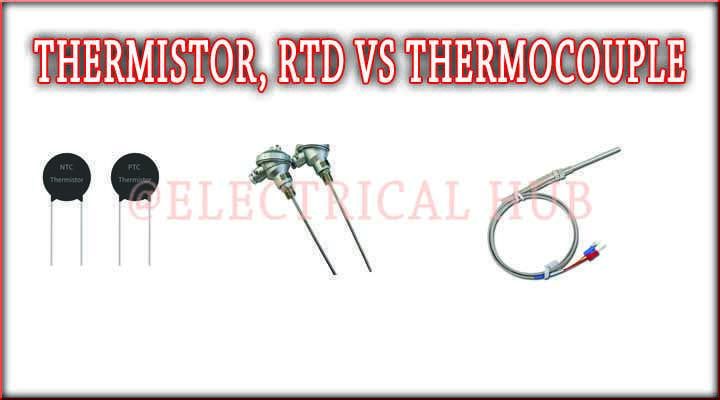
We will explore the differences between thermistor vs RTD vs thermocouple, focusing not only on commonly discussed features but also on technical distinctions
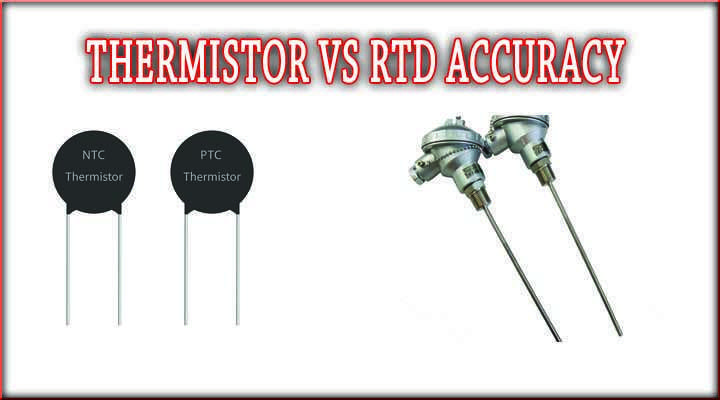
Thermistors and RTDs are two types of temperature sensors. We will explore the differences in thermistor vs RTD accuracy, highlighting both well-known and technical distinctions.