
LM2596 Buck Converter: A Comprehensive Guide
The LM2596 buck converter is a widely used DC-DC step-down voltage…
“Transform your understanding of converters with Electrical Hub’s dedicated category. Explore the principles, types, and applications of these essential electronic devices. Stay informed about how converters play a pivotal role in adapting and managing electrical power and signals.”

The LM2596 buck converter is a widely used DC-DC step-down voltage…
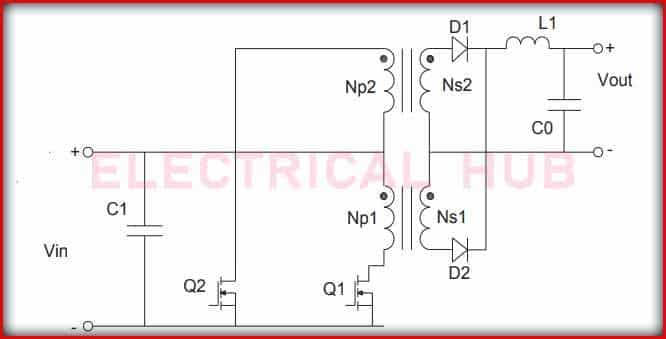
In the world of power electronics, voltage-fed push-pull converters play a…

The MT3608 Boost Converter Module is a compact, high-efficiency voltage booster designed to elevate voltages from as low as 2V up to a maximum of 28V DC. This device plays a vital role in applications where precise voltage amplification is essential. Its compact size and versatile design make it a preferred choice for a wide range of voltage-boosting requirements.

The LM2587 IC, renowned in the domain of electronics, stands as a pivotal component in voltage regulation and power management. As a switching regulator, it excels in transforming input voltages into higher, more controlled output levels, making it an indispensable choice across a wide array of electronic applications.

The MC34063 IC is a versatile and widely used monolithic switching regulator. It’s renowned for its efficiency and flexibility in DC DC converter applications. Let’s explore its technical specifications, features, applications, and common troubleshooting issues.

The LM2577 is more than just a tiny chip in the world of electronics; it’s a key player in power management. This little marvel belongs to the family of voltage regulator integrated circuits, and it’s a master at boosting voltage levels efficiently. When you need to take a low input voltage and elevate it to a higher output voltage, the LM2577 steps in with its wizardry.

Embedded within the core of voltage regulation systems, the MT3608 IC reigns supreme as a powerhouse component renowned for its exceptional efficiency, adaptability, and compact design. Its primary function revolves around seamlessly transforming low voltages into higher, more usable levels, making it an indispensable component across a myriad of electrical circuits and applications. .

A flyback converter, also known as a flyback transformer or buck-boost converter, is a type of switched-mode power supply (SMPS) used to convert one DC voltage to another. It is commonly used in low to medium-power applications and has unique features that make it suitable for a variety of electronic devices and power sources.
HVDC Converter Efficiency HVDC Converter Efficiency is an important factor in…
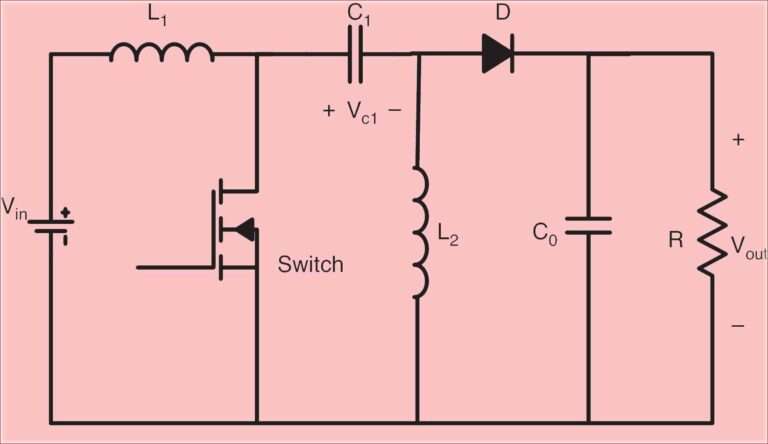
DC to DC converter types are used in power electronics to efficiently convert one DC voltage level to another. They find applications in various fields, such as power supplies, renewable energy systems, electric vehicles, and portable electronic devices.
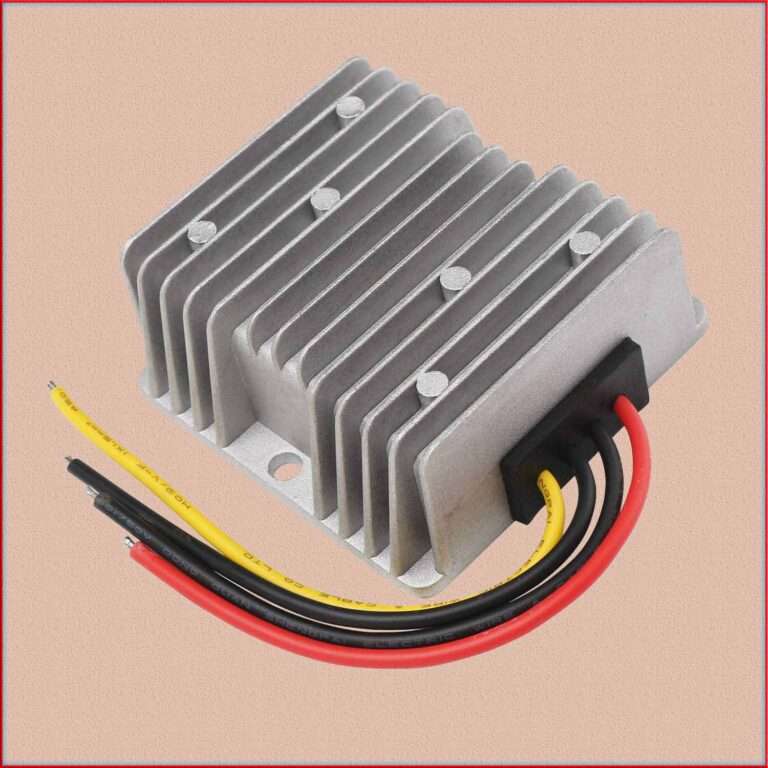
A DC to DC converter 24V to 12V is a crucial electronic device used to step down the voltage from 24 volts to a stable 12V output. This type of converter is commonly used in various applications where a lower voltage is required from a 24V power source.
DC to DC converter 48V to 12V Design involves creating an efficient and reliable circuit that steps down the higher DC voltage of 48 volts to a stable 12V output. This step-by-step guide will walk you through the design process, including calculations and an example, to achieve a well-functioning converter.

AC to DC converter design involves transforming the alternating current (AC) from the power mains into a direct current (DC) with a specific output voltage. In this step-by-step guide, we will focus on designing a full-wave bridge rectifier followed by a capacitor filter to convert AC to a stable DC voltage.

DC to DC converter design involves several steps to ensure the converter’s efficiency, stability, and proper voltage regulation. Let’s go through a step-by-step guide for designing a buck converter, which is one of the most common types of DC to DC converters.