Electric Motor Not Starting Reasons – 12 Critical Causes & Proven Troubleshooting Solutions
Electric motors are the backbone of industrial plants, commercial facilities, and residential systems. When a motor fails to start, production stops, downtime increases, and maintenance costs rise quickly. Understanding the real electric motor not starting reasons helps engineers and technicians diagnose faults faster and restore operations safely.
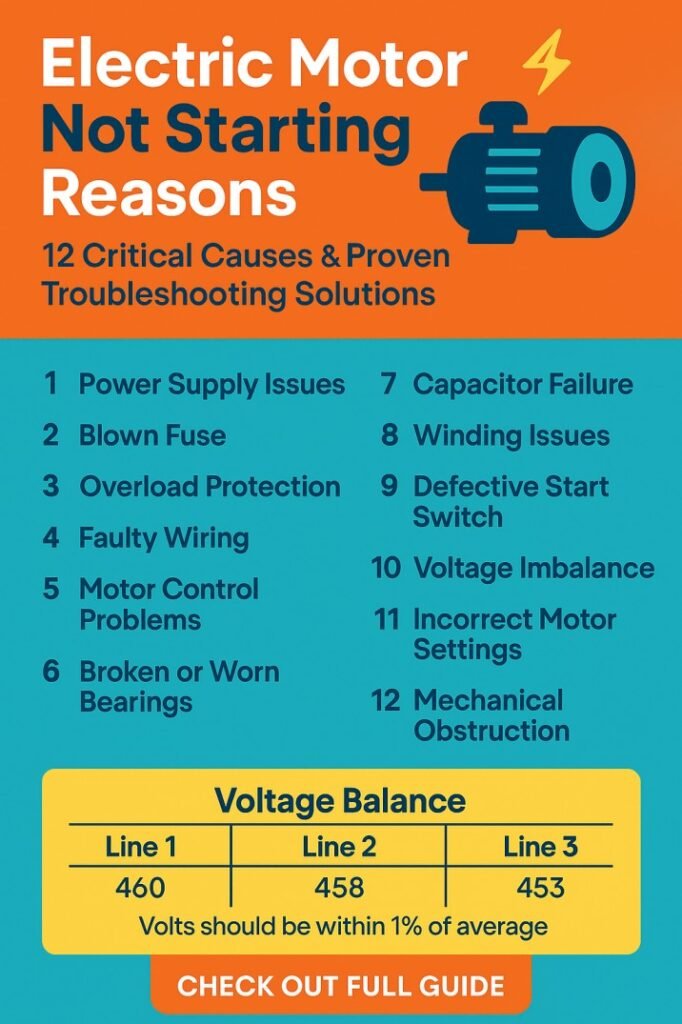
Table of Contents
If you are facing a motor that hums but does not rotate, trips the breaker instantly, or remains completely dead, this guide explains the most common failure causes and practical troubleshooting steps. The goal is to identify the root problem rather than replacing parts blindly. Know more about Electric Motor Troubleshooting Chart
Why Identifying Electric Motor Not Starting Reasons Is Important
Before jumping into testing, it is important to understand that a motor fails to start due to electrical, mechanical, or environmental issues. Many professionals waste time checking windings when the actual problem is voltage drop or mechanical jamming.
Know everything about 3 Phase Motor Overload Relay Setting – Accurate Protection for Your Motor
Common symptoms include:
- Motor humming but shaft not rotating
- Breaker or overload relay tripping
- Burning smell from winding
- Zero response when start button is pressed
- Slow acceleration or stalling under load
A structured troubleshooting approach reduces downtime and prevents secondary damage.
Quick Diagnostic Overview
The table below provides a fast reference to the most common electric motor not starting reasons and their primary checks.
| Problem Area | Typical Cause | Quick Check | Recommended Action |
|---|---|---|---|
| Power Supply | No voltage or low voltage | Measure terminal voltage | Restore proper supply |
| Protection Devices | Tripped overload | Inspect relay setting | Reset and adjust |
| Control Circuit | Faulty contactor | Check coil continuity | Replace contactor |
| Capacitor | Failed start capacitor | Capacitance test | Replace capacitor |
| Windings | Burnt or open winding | Insulation resistance test | Rewind motor |
| Mechanical Load | Jammed shaft | Manual rotation test | Remove obstruction |
Now let us examine each cause in detail.
Use our online tool Motor Overload Setting Calculator for Single and Three Phase Motors
1. No Power Supply at Motor Terminals
One of the most overlooked electric motor not starting reasons is complete loss of power. A blown fuse, open breaker, or loose cable termination can interrupt supply.
Troubleshooting steps:
- Measure line-to-line voltage using a multimeter
- Check upstream MCC breaker
- Inspect cable lugs for overheating
- Verify isolator switch position
Always confirm rated voltage at motor terminals before investigating internal faults. Find more about Soft Starter Troubleshooting Guide
2. Low or Unbalanced Voltage
Voltage drop or phase imbalance prevents the motor from producing sufficient starting torque. Three phase motors are particularly sensitive to imbalance.
Symptoms include overheating and humming without rotation.
Know more about What Are Different Types of Overcurrent Relays? Best Guide
Acceptable limits:
| Parameter | Acceptable Range |
|---|---|
| Voltage variation | ±10% of rated |
| Phase imbalance | Less than 2–3% |
Corrective action involves checking feeder cables, transformer tap settings, and distribution panel connections.
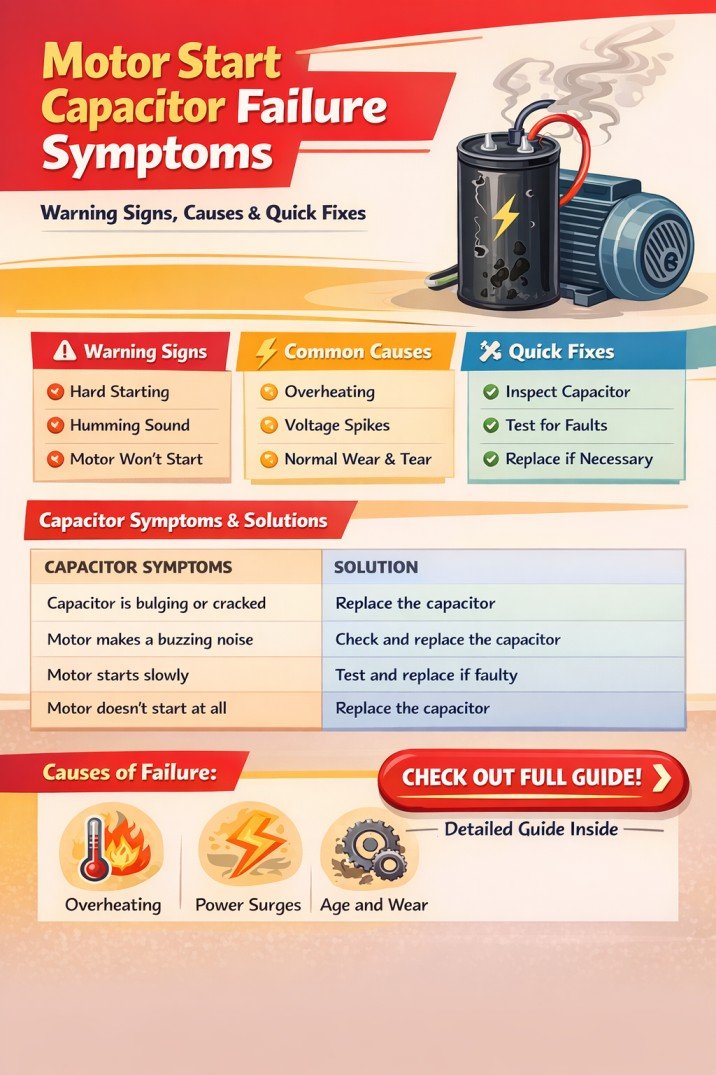
3. Faulty Start Capacitor in Single Phase Motors
In single phase induction motors, a failed start capacitor is a common reason for starting failure. The motor may hum but fail to rotate.
Testing method:
- Disconnect capacitor safely
- Use capacitance meter
- Compare measured value with rated microfarads
If the reading is significantly lower, replace the capacitor with the same voltage rating and capacitance value.
4. Tripped Overload Relay
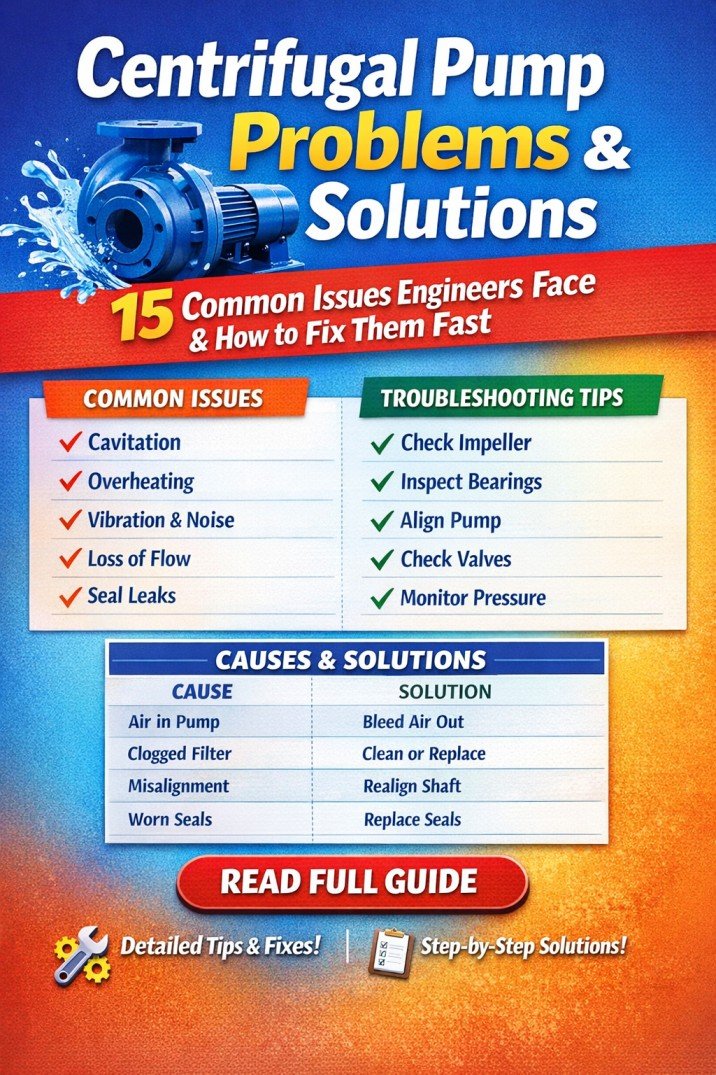
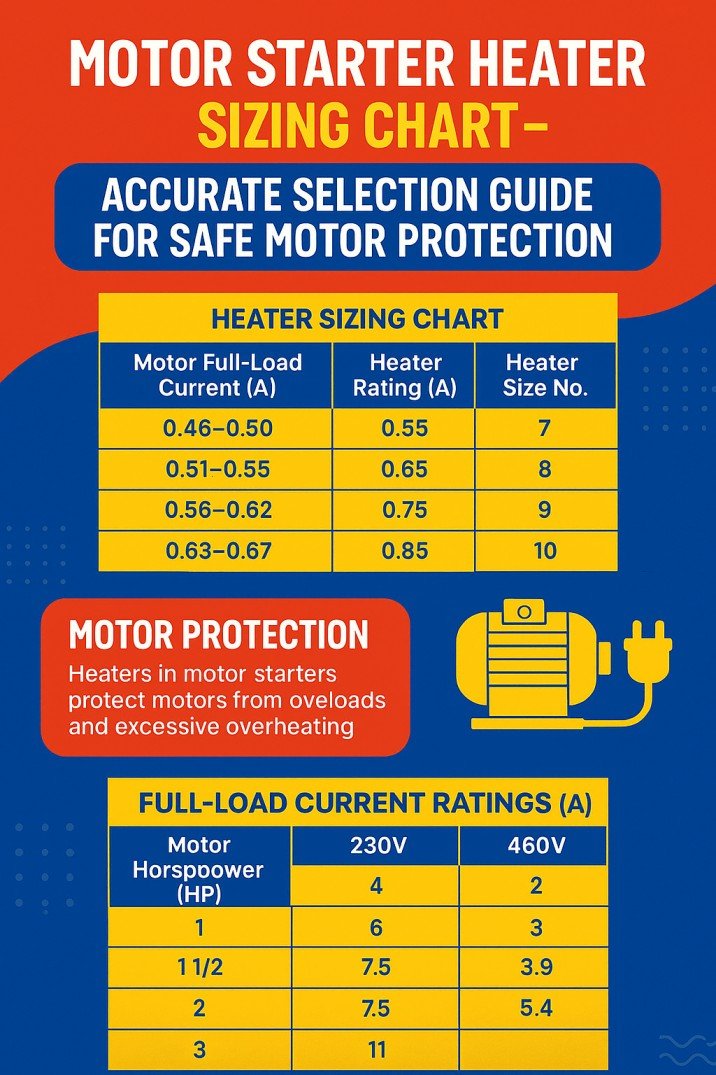
Thermal overload relays protect motors from excessive current. If the overload setting is too low or the motor experienced previous overheating, it may trip instantly.
Know more about What Are the Applications of Overcurrent Relays in Power Systems?
Check the following:
- Overload setting compared to motor FLA
- Ambient temperature
- Mechanical load condition
Reset the relay and monitor current during restart.
5. Faulty Contactor or Control Circuit
Control wiring issues are frequent electric motor not starting reasons in industrial panels. A damaged contactor coil or loose control wiring interrupts the start command. Find more about VLF Testing vs Hipot
Inspection checklist:
- Check coil resistance
- Verify auxiliary contacts
- Inspect push buttons
- Test control transformer output
Replace burnt contactors and tighten loose control terminals.
6. Mechanical Jamming or Seized Bearings
Electrical supply may be healthy, but the shaft cannot rotate due to mechanical obstruction. Common causes include:
- Worn bearings
- Misalignment
- Foreign object inside pump or fan
- Rust buildup after long idle period
Try rotating the shaft manually with power isolated. If resistance is high, inspect bearings and coupling alignment.
Know more about Thermal Overload Relay: Working Principle, Types and Important Settings Calculation
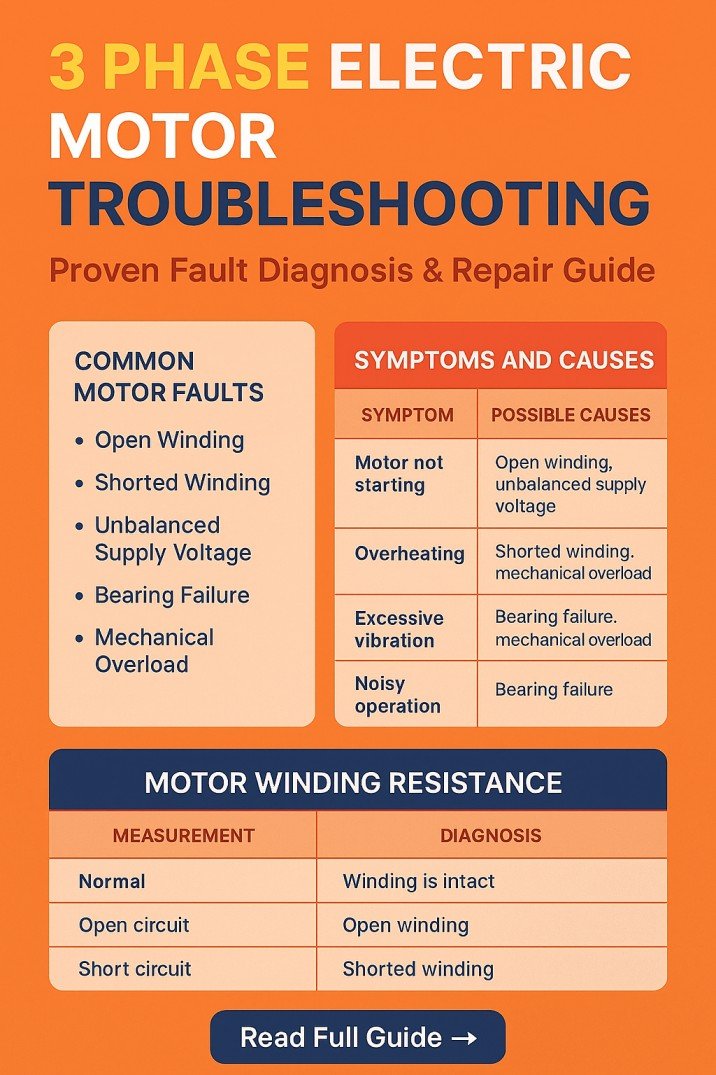
7. Burnt or Open Motor Windings
Insulation failure or overheating may damage stator windings. This condition is one of the serious electric motor not starting reasons that requires rewinding or replacement.
Testing procedure:
| Test | Tool | Expected Result |
|---|---|---|
| Continuity test | Multimeter | Balanced resistance |
| Insulation resistance | Megger | Above 1 MΩ (low voltage motors) |
| Winding resistance comparison | Ohmmeter | Equal between phases |
Unequal resistance indicates internal damage.
8. Incorrect Wiring or Loose Connections
After maintenance, motors are sometimes reconnected incorrectly. Wrong star-delta wiring or loose terminals prevent starting.
Verify:
- Terminal box connections
- Correct star or delta configuration
- Tightness of cable lugs
- Proper earthing
Incorrect connection may also cause high inrush current.
9. Defective Centrifugal Switch
Single phase motors use a centrifugal switch to disconnect the start winding. If the switch remains open or stuck, the motor fails to start.
Signs include:
- Humming sound
- Overheating
- No starting torque
Inspect switch contacts and clean carbon deposits.
Know more about Motor Overload Protection Chart: Important Concepts
10. Excessive Load at Startup
If the driven equipment requires higher torque than the motor can deliver, the motor stalls.
Common examples:
- Pump starting against closed valve
- Conveyor overloaded
- Compressor under pressure
Reduce load and attempt restart. In some cases, installing a soft starter or VFD improves starting performance.
11. Earth Fault or Short Circuit
Ground faults trip protection devices immediately. Moisture ingress, damaged insulation, or cable abrasion can cause this issue.
Use a megger to test insulation resistance between winding and earth. Dry the motor if moisture is present.
12. Faulty Variable Frequency Drive
In modern installations, motors are often connected to VFDs. Drive parameter misconfiguration is another important item among electric motor not starting reasons.
Check:
- Output frequency setting
- Acceleration time
- Fault history log
- Control wiring from PLC
Reset the drive and verify parameter configuration.
Systematic Troubleshooting Procedure
Follow this professional sequence to save time:
- Verify power supply voltage
- Check protection devices
- Inspect control circuit
- Test mechanical rotation
- Measure winding resistance
- Perform insulation resistance test
- Evaluate load condition
This structured approach avoids unnecessary rewinding or part replacement.
Know more about Difference Between Star Delta and DOL Starter: A Comprehensive Guide
Preventive Maintenance Tips
Preventing electric motor not starting reasons is easier than repairing them. Implement these practices:
- Perform regular insulation resistance testing
- Tighten terminals during periodic shutdown
- Monitor vibration levels
- Lubricate bearings as per schedule
- Keep motor ventilation openings clean
- Check voltage imbalance monthly
A preventive maintenance program significantly reduces unexpected failures.
Final Thoughts
Understanding electric motor not starting reasons is essential for engineers, maintenance supervisors, and technicians. Most starting failures are caused by simple issues such as voltage drop, loose wiring, or protection trips. However, ignoring early warning signs can lead to serious winding damage and costly downtime.
Always begin troubleshooting from the power source and move step by step toward internal motor components. Use proper testing instruments such as multimeters, clamp meters, and insulation testers. Never guess the fault without measurement.
Know more about How does the star delta starter reduce starting current? Important Concepts
With the right diagnostic method and preventive care, electric motors can operate reliably for many years without unexpected startup problems.
Get new guides in your feed. Follow Electrical Insights on LinkedIn for new electrical standards guides, calculators and design tips from Azad Circuit Hub.
#ElectricMotorNotStartingReasons, #MotorTroubleshooting, #ElectricalMaintenance, #MotorFailure, #IndustrialMotor, #MotorRepairGuide, #PowerSupplyFault, #CapacitorFailure, #OverloadProtection, #ElectricalEngineering