Skip to content
AzadCircuitHub
  • Home
  • Blog
  • Electrical Standards
  • Electrical Calculators
  • Product Reviews
  • Affiliate Disclosure
Linkedin Facebook Twitter Pinterest Medium
Linkedin Facebook Twitter Pinterest
AzadCircuitHub
Azad Circuit Hub

Electronics

Clear, practical guides to the electronics concepts, components, and circuits engineers, students, and hobbyists use every day. Browse by topic below, or scroll down for every article.

Browse by Topic

  • Transistors
  • Development Boards
  • Logic Gates
  • Voltage Regulators

Transistors and MOSFETs

  • BC547 Transistor: Pinout, Datasheet, Equivalents and SMD Guide
  • How to Check a Transistor With a Multimeter (NPN and PNP)
  • Leakage Current in Transistors
  • Leakage Current in MOSFETs
  • Reverse Polarity Protection Using a MOSFET

Development Boards and FPGA

  • Development Board vs Microcontroller: Which to Choose
  • Best FPGA Development Boards for Beginners
  • Best Low-Cost FPGA Development Boards
  • FPGA Project Ideas for Engineers and Students
  • ESP12F vs ESP8266 for IoT Projects

Logic Gates and Digital Circuits

  • NOR Gate Truth Table
  • Schmitt Trigger Inverter: Working and Circuit Design
  • Schmitt Trigger Oscillator

Power and Voltage Regulation

  • Best Automatic Voltage Regulators in the USA: Buyer Guide

All Electronics Articles

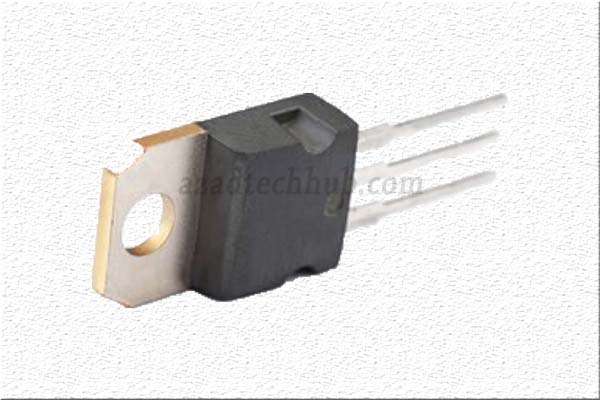
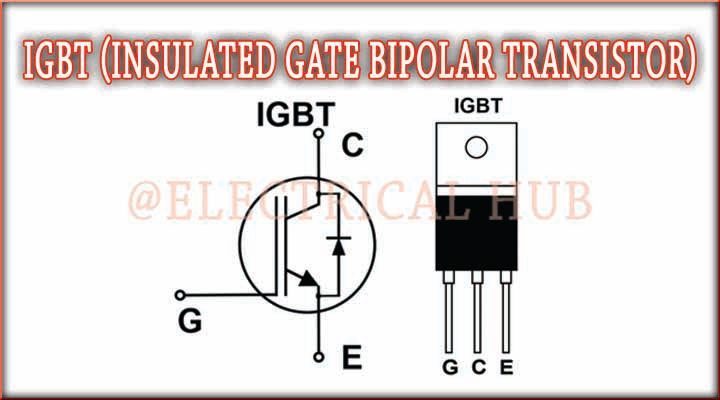
  • IGBT Transistor PIN Configuration - Visual representation of the PIN configuration of an IGBT (Insulated Gate Bipolar Transistor)
    Transistors

    IGBT Transistor: Important Guide

    Hours Posted on17/10/202320/10/2026 Hours Updated on20/10/2026

    The MOSFET and BJT benefits are combined in the Insulated Gate Bipolar Transistor, also known as the IGBT transistor. Due to its high voltage and current carrying capacity, as well as its superior switching characteristics, it is widely employed in a variety of applications. We will go into the IGBT transistor, its less-discussed properties, and its uses in this thorough discussion.

    Read More IGBT Transistor: Important GuideContinue

  • Thyristor Dimmer - Visual representation of a thyristor-based dimmer circuit for lighting control.
    Thyristor | Blog | Electronics

    Thyristor Dimmer: A Quick Guide

    Hours Posted on30/09/202324/01/2026 Hours Updated on24/01/2026

    A thyristor dimmer, also known as a silicon-controlled rectifier (SCR) dimmer, is an electronic device used to control the brightness or intensity of lighting or the speed of electric motors in various applications. It works by adjusting the voltage supplied to the load, such as an incandescent lamp or an AC motor, to control the output.

    Read More Thyristor Dimmer: A Quick GuideContinue

  • Thyristor Rectifier Circuit - Visual representation of a thyristor-based rectifier circuit.
    Thyristor | Blog | Electronics

    Thyristor Rectifier Circuit: A Comprehensive Guide

    Hours Posted on29/09/202324/01/2026 Hours Updated on24/01/2026

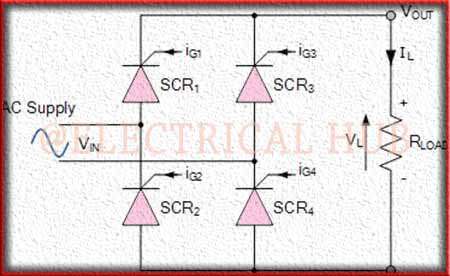
    A thyristor rectifier circuit, often known as a thyristor-based rectifier or just an SCR rectifier, is an essential electrical circuit used to convert alternating current (AC) into direct current (DC). Numerous industrial applications, such as power supplies, motor drives, battery charging systems, and others, frequently use this kind of rectification technology.

    Read More Thyristor Rectifier Circuit: A Comprehensive GuideContinue

  • IV Characteristics of Thyristor - Visual representation of the current-voltage (IV) characteristics of a thyristor.
    Electronics | Blog | Thyristor

    Thyristor: Working and Important Comparison Tables

    Hours Posted on27/09/202321/07/2026 Hours Updated on21/07/2026

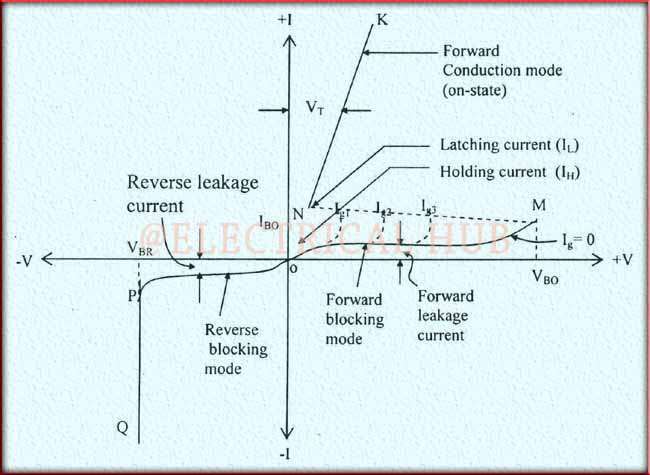
    To turn the thyristor on, a gate voltage is applied, typically requiring a positive pulse greater than a threshold value. Once triggered, the thyristor becomes conductive and allows a significant current to flow from the anode to the cathode. Unlike transistors, thyristors latch in the “on” state even if the gate voltage is removed.

    Read More Thyristor: Working and Important Comparison TablesContinue

  • HVDC | Blog | Converters | Electrical Power | Transmission Lines

    HVDC Converter Efficiency: 3 Important Formulas

    Hours Posted on23/09/202324/01/2026 Hours Updated on24/01/2026

    HVDC Converter Efficiency HVDC Converter Efficiency is an important factor in…

    Read More HVDC Converter Efficiency: 3 Important FormulasContinue

  • Corner Frequency: Understanding Its Role in Signal Processing
    Blog | Electrical Concepts | Electronics

    Corner Frequency: Understanding Its Role in Signal Processing

    Hours Posted on17/08/202320/02/2026 Hours Updated on20/02/2026

    Explore the concept of corner frequency and its crucial role in signal processing. Learn how it impacts filter design, frequency response, and overall electronic signal performance.

    Read More Corner Frequency: Understanding Its Role in Signal ProcessingContinue

  • DC to DC Converter Types: Important Concepts
    Electronics | Blog | Converters

    DC to DC Converter Types: Important Concepts

    Hours Posted on08/08/202324/01/2026 Hours Updated on24/01/2026

    DC to DC converter types are used in power electronics to efficiently convert one DC voltage level to another. They find applications in various fields, such as power supplies, renewable energy systems, electric vehicles, and portable electronic devices.

    Read More DC to DC Converter Types: Important ConceptsContinue

  • DC to DC Converter 24V to 12V: A Comprehensive Overview
    Converters | Blog | Electronics

    DC to DC Converter 24V to 12V: A Comprehensive Overview

    Hours Posted on07/08/202324/01/2026 Hours Updated on24/01/2026

    A DC to DC converter 24V to 12V is a crucial electronic device used to step down the voltage from 24 volts to a stable 12V output. This type of converter is commonly used in various applications where a lower voltage is required from a 24V power source.

    Read More DC to DC Converter 24V to 12V: A Comprehensive OverviewContinue

  • DC to DC Converter 48V to 12V Design: Comprehensive Overview
    Converters | Blog | Electronics

    DC to DC Converter 48V to 12V Design: Comprehensive Overview

    Hours Posted on04/08/202321/07/2026 Hours Updated on21/07/2026

    DC to DC converter 48V to 12V Design involves creating an efficient and reliable circuit that steps down the higher DC voltage of 48 volts to a stable 12V output. This step-by-step guide will walk you through the design process, including calculations and an example, to achieve a well-functioning converter.

    Read More DC to DC Converter 48V to 12V Design: Comprehensive OverviewContinue

  • AC to DC Converter Design: A Comprehensive Guide
    Converters | Blog | Electronics

    AC to DC Converter Design: A Comprehensive Guide

    Hours Posted on04/08/202321/07/2026 Hours Updated on21/07/2026

    AC to DC converter design involves transforming the alternating current (AC) from the power mains into a direct current (DC) with a specific output voltage. In this step-by-step guide, we will focus on designing a full-wave bridge rectifier followed by a capacitor filter to convert AC to a stable DC voltage.

    Read More AC to DC Converter Design: A Comprehensive GuideContinue

  • DC to DC Converter Design: A Comprehensive Guide
    Converters | Blog | Electronics

    DC to DC Converter Design: A Comprehensive Guide

    Hours Posted on04/08/202324/01/2026 Hours Updated on24/01/2026

    DC to DC converter design involves several steps to ensure the converter’s efficiency, stability, and proper voltage regulation. Let’s go through a step-by-step guide for designing a buck converter, which is one of the most common types of DC to DC converters.

    Read More DC to DC Converter Design: A Comprehensive GuideContinue

  • DC to DC Converter 12V: A Comprehensive Guide
    Converters | Blog

    DC to DC Converter 12V: A Comprehensive Guide

    Hours Posted on27/07/202324/01/2026 Hours Updated on24/01/2026

    A DC to DC converter 12V is an electronic device designed to convert a direct current (DC) input voltage to a different DC output voltage, specifically 12 volts. This type of converter is commonly used in various applications where a stable 12V DC power supply is required, and the input voltage might be different from the desired output voltage.

    Read More DC to DC Converter 12V: A Comprehensive GuideContinue

  • 30 Amp AC to DC Converter: A Comprehensive Guide
    Converters | Blog | Electronics

    30 Amp AC to DC Converter: A Comprehensive Guide

    Hours Posted on27/07/202324/01/2026 Hours Updated on24/01/2026

    A 30 amp AC to DC converter is a robust electronic device designed to convert alternating current (AC) from the power mains into direct current (DC) with a high output current capacity of 30 amperes.

    Read More 30 Amp AC to DC Converter: A Comprehensive GuideContinue

  • AC to DC Converter for Car Amplifier: A Comprehensive Guide
    Converters | Blog | Electronics

    AC to DC Converter for Car Amplifier: A Comprehensive Guide

    Hours Posted on27/07/202324/01/2026 Hours Updated on24/01/2026

    An AC to DC converter for car amplifiers is a specialized electronic device designed to convert the alternating current (AC) from a standard household power outlet (mains) into direct current (DC) suitable for powering car amplifiers.

    Read More AC to DC Converter for Car Amplifier: A Comprehensive GuideContinue

  • AC to DC Converter 12V 1A: A Comprehensive Guide
    Converters | Blog | Electronics

    AC to DC Converter 12V 1A: A Comprehensive Guide

    Hours Posted on27/07/202324/01/2026 Hours Updated on24/01/2026

    An AC to DC converter 12V 1A is an electronic device designed to convert alternating current (AC) from the power mains into direct current (DC) with a stable output voltage of 12 volts and a maximum output current of 1 ampere. This type of converter is commonly used in various low-power electronic applications where a reliable 12V DC power supply is required.

    Read More AC to DC Converter 12V 1A: A Comprehensive GuideContinue

  • AC to DC Converter SMPS: A Comprehensive Guide
    Converters | Blog | Electronics

    AC to DC Converter SMPS: A Comprehensive Guide

    Hours Posted on26/07/202324/01/2026 Hours Updated on24/01/2026

    An AC to DC converter SMPS (Switched-Mode Power Supply) is a highly efficient and widely used electronic device that converts alternating current (AC) from the power mains to direct current (DC).

    Read More AC to DC Converter SMPS: A Comprehensive GuideContinue

  • AC to DC Converter 24V Output: A Comprehensive Guide
    Converters | Blog

    AC to DC Converter 24V Output: A Comprehensive Guide

    Hours Posted on26/07/202321/07/2026 Hours Updated on21/07/2026

    An AC to DC converter 24V output is an essential electronic device that transforms alternating current (AC) from the power mains into direct current (DC) with a steady output voltage of 24 volts. This converter is widely used in various applications where a stable 24V DC power supply is required.

    Read More AC to DC Converter 24V Output: A Comprehensive GuideContinue

  • AC to DC Converter 24V: A Comprehensive Guide
    Converters | Blog | Electronics

    AC to DC Converter 24V: A Comprehensive Guide

    Hours Posted on26/07/202324/01/2026 Hours Updated on24/01/2026

    An AC to DC converter 24V is an electronic device that converts alternating current (AC) from the power mains to direct current (DC) with a stable output voltage of 24 volts. Such converters are widely used in various applications where a steady 24V DC power supply is required.

    Read More AC to DC Converter 24V: A Comprehensive GuideContinue

  • C1815 SMD Transistor: A Comprehensive Overview
    Transistors

    C1815 SMD Transistor: A Comprehensive Overview

    Hours Posted on24/07/202320/10/2026 Hours Updated on20/10/2026

    The C1815 is a widely used NPN bipolar junction transistor (BJT) known for its versatility and reliable performance in electronic circuits. In addition to the through-hole package, the C1815 is also available in the Surface Mount Device (SMD) package, commonly known as the C1815 SMD transistor.

    Read More C1815 SMD Transistor: A Comprehensive OverviewContinue

  • TIP122 Arduino: A Comprehensive Guide
    Transistors

    TIP122 Arduino: A Comprehensive Guide

    Hours Posted on22/07/202320/10/2026 Hours Updated on20/10/2026

    When there is a requirement of handling high currents and voltages, Transistor TIP122 Arduino combination becomes and excellent choice. The TIP122 transistor is a versatile NPN power transistor known for its ability to handle high currents and voltages, performing well in interfacing with microcontrollers like Arduino.

    Read More TIP122 Arduino: A Comprehensive GuideContinue

  • Transistor S8050 Equivalent: Important Replacements
    Transistors

    Transistor S8050 Equivalent: Important Replacements

    Hours Posted on19/07/202320/10/2026 Hours Updated on20/10/2026

    Transistor S8050 Equivalent is required when the original S8050 goes out of stock. The S8050 is a widely used NPN silicon epitaxial planar transistor that belongs to the S8000 series.

    Read More Transistor S8050 Equivalent: Important ReplacementsContinue

  • BC548C Pinout: Important Features & Equivalent
    Transistors

    BC548C Pinout: Important Features & Equivalent

    Hours Posted on19/07/202320/10/2026 Hours Updated on20/10/2026

    The BC548C is a widely used NPN bipolar junction transistor (BJT) known for its versatility in electronic circuits. Understanding the BC548C Pinout is essential for proper connection and utilization in circuit designs.

    Read More BC548C Pinout: Important Features & EquivalentContinue

  • BC337 Pinout: Important Features & Equivalent
    Transistors

    BC337 Pinout: Important Features & Equivalent

    Hours Posted on19/07/202320/10/2026 Hours Updated on20/10/2026

    The BC337 is a widely used NPN bipolar junction transistor (BJT) that is commonly employed in various electronic circuits. Understanding the BC337 Pinout is essential for proper connection and utilization in circuit designs.

    Read More BC337 Pinout: Important Features & EquivalentContinue

  • BC557 Pinout: Important Features & Equivalent
    Transistors

    BC557 Pinout: Important Features & Equivalent

    Hours Posted on18/07/202320/10/2026 Hours Updated on20/10/2026

    The BC557 is a widely used PNP bipolar junction transistor (BJT) that is commonly employed in various electronic circuits. Understanding the BC557 Pinout is crucial for correct connection and utilization in circuit designs.

    Read More BC557 Pinout: Important Features & EquivalentContinue

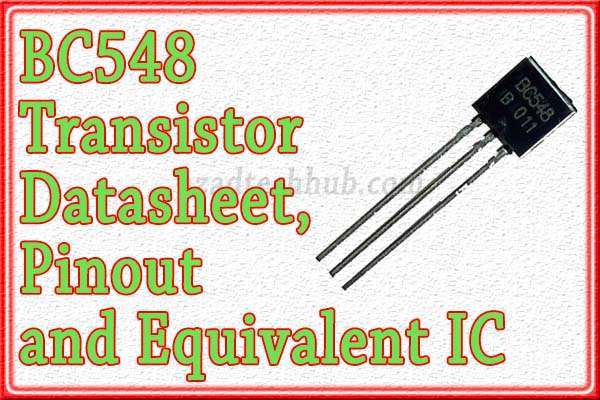
  • BC548 Pinout: Important Features & Equivalent
    Transistors

    BC548 Pinout: Important Features & Equivalent

    Hours Posted on18/07/202320/10/2026 Hours Updated on20/10/2026

    The BC548 is a widely used NPN bipolar junction transistor (BJT) known for its versatility in electronic circuits. Understanding the BC548 Pinout is crucial for proper connection and utilization in circuit designs.

    Read More BC548 Pinout: Important Features & EquivalentContinue

  • BC549C Pinout: Important Features & Equivalent
    Transistors

    BC549C Pinout: Important Features & Equivalent

    Hours Posted on18/07/202320/10/2026 Hours Updated on20/10/2026

    The BC549C is an NPN bipolar junction transistor (BJT) that is widely used in electronic circuits. Understanding the BC549C Pinout is crucial for proper connection and utilization in circuit designs.

    Read More BC549C Pinout: Important Features & EquivalentContinue

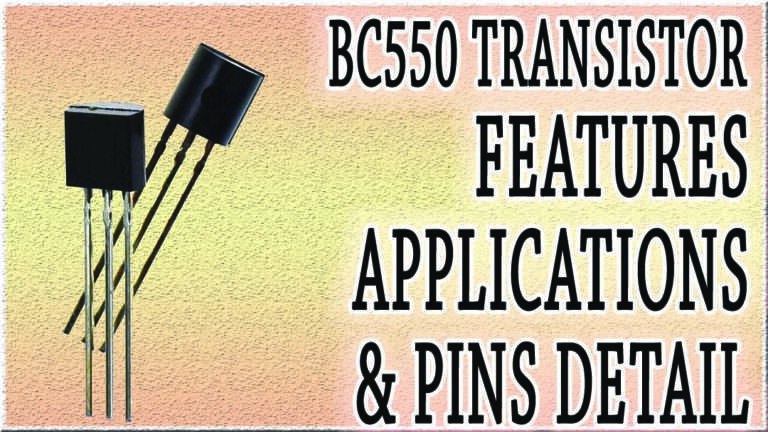
  • BC550C Pinout: Important Features & Equivalent
    Transistors

    BC550C Pinout: Important Features & Equivalent

    Hours Posted on17/07/202320/10/2026 Hours Updated on20/10/2026

    The BC550C is an NPN bipolar junction transistor (BJT) that is commonly used in various electronic circuits. Understanding the BC550C Pinout is crucial for proper connection and utilization in circuit designs.

    Read More BC550C Pinout: Important Features & EquivalentContinue

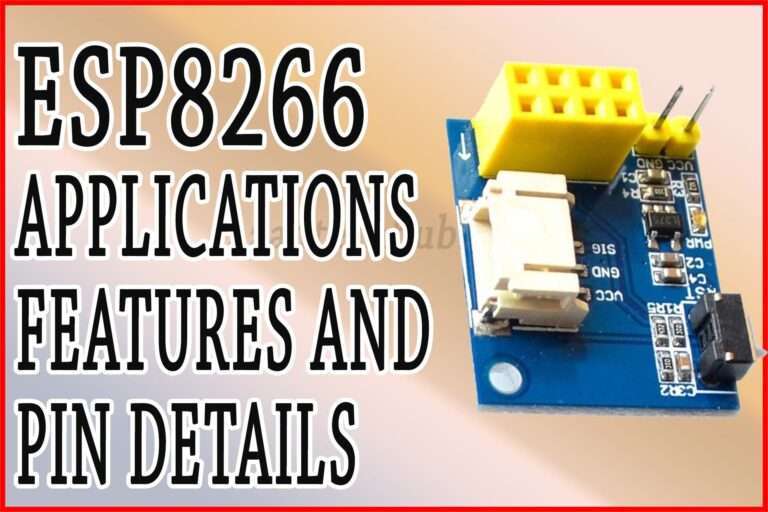
  • ESP8266 Microcontroller - Powering IoT Solutions
    Integrated Circuits | Blog | Electronics

    ESP8266 Pinout: Important Features & Equivalent

    Hours Posted on17/07/202324/01/2026 Hours Updated on24/01/2026

    The ESP8266 is a popular Wi-Fi module widely used in Internet of Things (IoT) projects and wireless communication applications. Understanding the ESP8266 Pinout is essential for proper connection and utilization in circuit designs.

    Read More ESP8266 Pinout: Important Features & EquivalentContinue

  • CD4066 Pinout: Important Features & Equivalent
    Integrated Circuits | Blog | Electronics

    CD4066 Pinout: Important Features & Equivalent

    Hours Posted on17/07/202324/01/2026 Hours Updated on24/01/2026

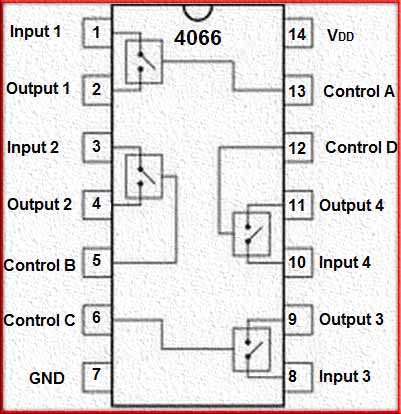
    The CD4066 is a widely used analog switch IC that allows for the control and routing of analog signals in electronic circuits. Understanding CD4066 Pinout is essential for proper connection and utilization in circuit designs.

    Read More CD4066 Pinout: Important Features & EquivalentContinue

  • 74HC595 Pinout: Important Features & Equivalent
    Blog | Electronics

    74HC595 Pinout: Important Features & Equivalent

    Hours Posted on15/07/202324/01/2026 Hours Updated on24/01/2026

    The 74HC595 is a popular shift register IC that is commonly used in digital electronics and microcontroller-based projects. Understanding 74HC595 Pinout is crucial for proper connection and utilization in circuit designs.

    Read More 74HC595 Pinout: Important Features & EquivalentContinue

Page navigation

Previous PagePrevious 1 2 3 4 5 Next PageNext
  • Home
  • Contact Us
  • Write for Us
  • Privacy Policy
  • Affiliate Disclosure
  • Advertise Here

© 2026 Azad Circuit Hub

Scroll to top
  • Home
  • Electrical Power
  • Electronics
  • Electrical Calculators
  • Solar Energy
  • Electric Vehicles (EV)
  • About Us
  • CONTACT US