Vm0038 Methodology For Electric Vehicle Charging Systems: Advanced Framework for Efficient EV Charging Infrastructure, Emission Reduction & Sustainable Energy Integration
Introduction
The rapid growth of electric mobility has created a strong demand for structured charging frameworks that ensure reliability, efficiency, and sustainability. The Vm0038 Methodology For Electric Vehicle Charging is increasingly discussed as a structured approach to designing and managing modern EV charging networks. It focuses on balancing grid demand, optimizing energy flow, and reducing environmental impact while supporting large-scale adoption of electric vehicles.
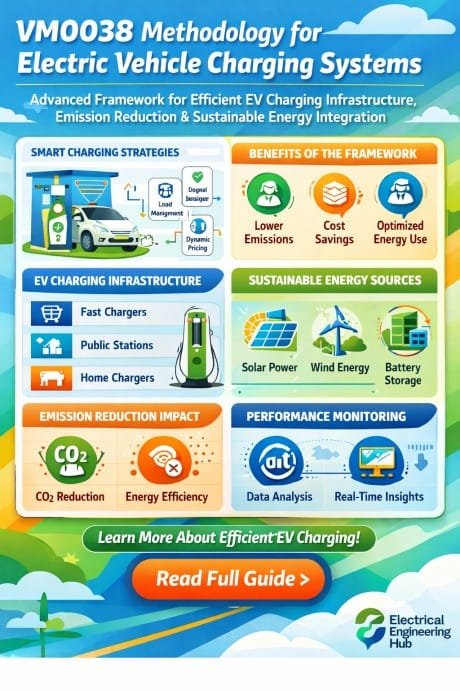
Table of Contents
At its core, Vm0038 Methodology For Electric Vehicle Charging provides a standardized way to evaluate infrastructure performance and ensure compatibility with renewable energy systems. It is not just a technical model but a practical framework that supports energy planners, utility companies, and EV infrastructure developers in building scalable charging ecosystems.
As cities expand their electric mobility plans, Vm0038 Methodology For Electric Vehicle Charging is becoming relevant for both urban and highway charging corridors. Its structured design helps reduce inefficiencies in power distribution and improves charging reliability for end users.
Discover everything about how much is tesla model 3 insurance uk
Core Principles of Vm0038-Based Charging Systems
The foundation of Vm0038 Methodology For Electric Vehicle Charging lies in a set of operational principles that guide system performance and energy optimization. These principles ensure that charging stations operate with maximum efficiency while minimizing strain on electrical grids.
One of the primary goals is load balancing, which distributes electricity demand evenly across multiple charging points. Another key principle is smart metering integration, allowing real-time monitoring of energy consumption and demand patterns.
Vm0038 Methodology For Electric Vehicle Charging also emphasizes interoperability, ensuring compatibility between different EV models and charging standards such as CCS and CHAdeMO. This flexibility is essential for global adoption and long-term scalability.
The system also promotes predictive energy management, which uses data analytics to forecast peak demand periods and adjust charging schedules accordingly. This reduces energy waste and improves system stability.
Key Operational Features
| Feature | Description | Benefit |
|---|---|---|
| Load Balancing | Distributes power across charging stations | Prevents grid overload |
| Smart Metering | Tracks real-time energy usage | Improves billing accuracy |
| Predictive Analytics | Forecasts charging demand | Enhances efficiency |
| Grid Synchronization | Aligns charging with grid capacity | Stabilizes energy flow |
Vm0038 Methodology For Electric Vehicle Charging ensures that these features work together in a unified ecosystem, making EV infrastructure more intelligent and responsive.
Find out more about home ev charging station installation
System Architecture and Technical Framework
The architecture of Vm0038 Methodology For Electric Vehicle Charging is designed to integrate hardware, software, and energy systems into a seamless network. It typically consists of charging stations, communication modules, energy management systems, and cloud-based analytics platforms.
A key element is the Energy Management System (EMS), which coordinates energy distribution between the grid and charging points. This ensures optimal usage during peak and off-peak hours. Communication protocols such as OCPP (Open Charge Point Protocol) are used to enable standardized communication between devices.
Another important aspect is edge computing integration, which allows local processing of data at charging stations. This reduces latency and improves real-time decision-making for load adjustments.
Use our free tool Electric Car Charging Vs Petrol Calculator
Vm0038 Methodology For Electric Vehicle Charging also incorporates cybersecurity layers to protect user data and prevent unauthorized access to charging infrastructure. This is increasingly important as EV networks become more interconnected.
Architecture Components Overview
| Component | Function | Impact |
|---|---|---|
| Charging Units | Deliver power to EVs | Core energy transfer |
| EMS Platform | Controls energy flow | Optimizes efficiency |
| Cloud Analytics | Processes usage data | Enables smart insights |
| Communication Layer | Connects devices | Ensures system coordination |
By combining these elements, Vm0038 Methodology For Electric Vehicle Charging creates a highly adaptive infrastructure capable of supporting large-scale electric mobility.
Use our online tool ev battery degradation calculator
Integration with Renewable Energy Systems
One of the strongest advantages of Vm0038 Methodology For Electric Vehicle Charging is its ability to integrate renewable energy sources such as solar and wind power. This integration reduces dependency on fossil fuels and supports cleaner transportation ecosystems.
Solar photovoltaic systems can be directly connected to charging stations, allowing daytime charging with minimal grid dependency. Wind energy can complement this by supplying power during non-solar hours, ensuring continuous energy availability.
Energy storage systems such as lithium-ion battery banks are also used to stabilize fluctuations in renewable energy generation. This ensures that charging stations maintain consistent performance even when renewable output varies.
Vm0038 Methodology For Electric Vehicle Charging plays a key role in synchronizing renewable input with real-time demand, reducing energy wastage and improving sustainability metrics across the network.
Explore everything about Electric Vehicle Battery Replacement Cost
Environmental Impact and Emission Reduction Benefits
The adoption of Vm0038 Methodology For Electric Vehicle Charging significantly contributes to lowering greenhouse gas emissions. By improving charging efficiency and promoting renewable integration, it reduces the carbon footprint associated with electric mobility infrastructure.
Efficient energy distribution minimizes transmission losses, while smart scheduling reduces peak load dependency on fossil-fuel-based power plants. This leads to a measurable decrease in CO₂ emissions over time.
Vm0038 Methodology For Electric Vehicle Charging also supports lifecycle emission tracking, enabling organizations to measure the environmental impact of their charging networks. This data is valuable for compliance with international climate standards.
Use our free tool Electric Vehicle Charging Time Calculator
Emission Reduction Comparison
| Charging Approach | Energy Source | Emission Level | Efficiency |
|---|---|---|---|
| Conventional Grid Charging | Fossil-heavy grid | High | Moderate |
| Hybrid Renewable Charging | Mixed sources | Medium | High |
| Vm0038-based System | Optimized renewable integration | Low | Very High |
Through structured optimization, Vm0038 Methodology For Electric Vehicle Charging ensures that environmental sustainability remains a central objective.
Use our online tool EV Charger Load Calculation Tool
Implementation Challenges and Practical Considerations
While Vm0038 Methodology For Electric Vehicle Charging offers several advantages, its implementation requires careful planning and investment. One of the main challenges is infrastructure cost, especially in regions where EV networks are still developing.
Grid compatibility is another concern, as not all regions have the capacity to support high-density charging stations. Upgrading electrical infrastructure may be necessary to fully implement the system.
Another challenge is data management. Since Vm0038 Methodology For Electric Vehicle Charging relies heavily on real-time analytics, robust data storage and processing systems are essential. Find all about EV Charging Station Code Requirements
Despite these challenges, gradual implementation strategies can help overcome barriers. Starting with pilot projects allows stakeholders to test system performance before scaling to larger networks.
Future Outlook of Smart EV Charging Frameworks
The future of EV infrastructure is closely tied to intelligent energy management systems. Vm0038 Methodology For Electric Vehicle Charging is expected to evolve further with advancements in artificial intelligence, machine learning, and vehicle-to-grid (V2G) technologies.
Know more about Electric Vehicle Charging Station Cost
In the coming years, charging systems will likely become more autonomous, adjusting energy distribution without manual intervention. Integration with smart cities will also enhance coordination between transportation and energy sectors.
Vm0038 Methodology For Electric Vehicle Charging will continue to serve as a foundational framework for designing efficient, scalable, and environmentally responsible charging networks. Its role in shaping sustainable mobility infrastructure is expected to grow as global EV adoption accelerates.
Conclusion
The transition to electric mobility requires structured and intelligent frameworks that ensure efficiency, sustainability, and scalability. Vm0038 Methodology For Electric Vehicle Charging provides a comprehensive approach that integrates energy management, renewable sources, and smart infrastructure design.
Know more about ChargePoint Charging Station Cost
By addressing key challenges such as load balancing, grid stability, and emission reduction, it supports the development of future-ready EV charging ecosystems. As technology continues to evolve, this methodology will remain an important reference point for building cleaner and more efficient transportation networks.
Follow Us on Social:
Subscribe our Newsletter on Electrical Insights for latest updates from Electrical Engineering Hub
#Vm0038,#Methodology,#ElectricVehicleCharging,#EVChargingSystems,#ElectricVehicle,#ChargingInfrastructure,#SmartCharging,#CleanEnergy,#RenewableEnergy,#GreenMobility