DIY Fix Overheated Electric Motor: 5 Proven Tips for a Smoother, Reliable Performance
An overheated motor can slow down an entire system. It can damage windings, reduce lifespan, and cause costly downtime. Many homeowners and technicians want a simple and effective guide they can follow whenever a motor becomes too hot. This is where DIY Fix Overheated Electric Motor steps in as a practical approach. With the right tips, you can troubleshoot overheating fast and restore steady performance.
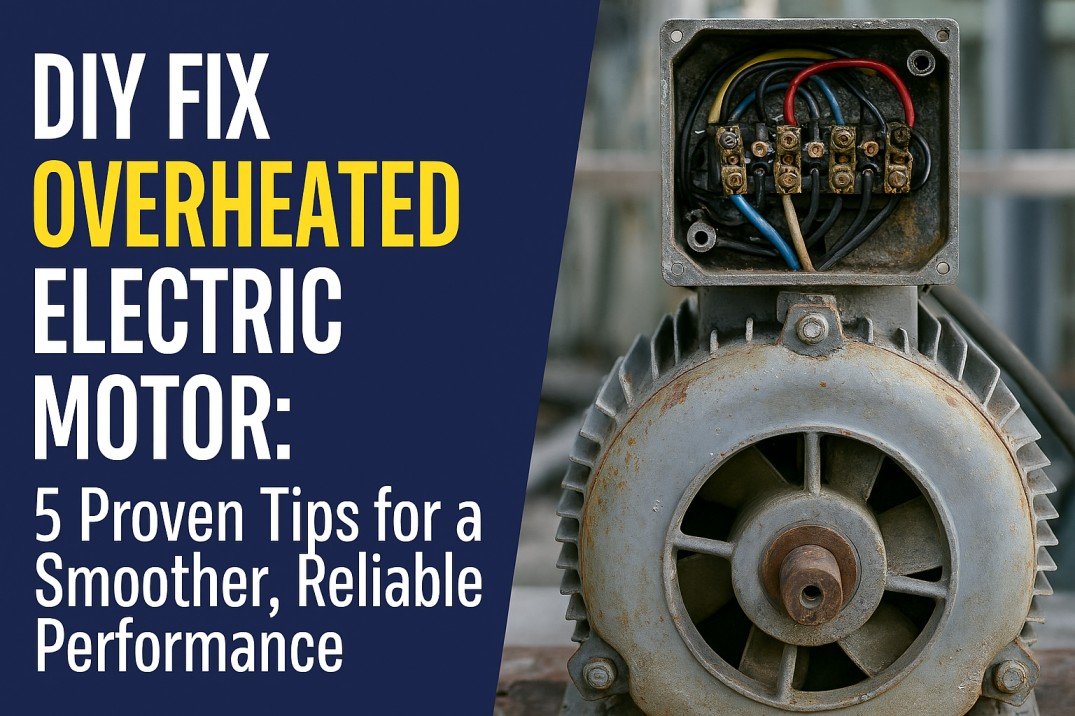
Table of Contents
Working on motors may feel complicated. But you can prevent major failure by understanding what causes overheating and how to diagnose it. The goal is to help you fix issues early without stress. This guide will walk you through simple steps, safety checks, and preventive actions. You will also learn how to identify early symptoms of heat stress in your equipment.
Know more about VLF Testing vs Hipot: Best Guide on Key Differences and Applications
In the following sections, you will find five proven tips that deliver results. These methods improve motor efficiency and provide long-term reliability. Whether your motor is small, industrial, or built into a machine, the steps are clear and easy to follow.
Below is everything you need for safe and effective troubleshooting.
Understand the Main Causes of Motor Overheating
Many overheating problems start from simple issues. Restricted airflow, dust buildup, wrong voltage, or too much load can stress the motor. Recognizing the cause is the first step in any DIY Fix Overheated Electric Motor process.
Heat increases when the motor cannot cool itself fast enough. Airflow around the frame matters. So do clean vents and proper voltage supply. Sometimes the motor is wrong for the job, causing continuous overload. In other cases, the bearings may be dry or worn. These factors add friction and raise temperature.
You should always start with a basic visual inspection. This is safe and requires no advanced tools. Look for dust, loose wires, or signs of strain. Early detection makes repairs easier and prevents long-term failure.
Common Sources of Excess Heat
To better understand the issue, review the table below.
| Cause of Heat | How It Affects Motor | Typical Signs |
|---|---|---|
| Blocked airflow | Limits cooling | Hot casing, dust buildup |
| Overload | Too much mechanical demand | Slow speed, repeated tripping |
| Low or high voltage | Increases current draw | Flickering or humming |
| Worn bearings | Creates friction | Grinding noise, vibration |
| Poor environment | High temperature or humidity | Reduced performance |
These early indicators guide your DIY Fix Overheated Electric Motor approach and help you act before the motor reaches critical temperature.
Use our online tool Electrical Insurance Premium Calculator – Estimate Your Electrical Coverage Cost Online
Tip 1: Improve Airflow and Cooling Around the Motor
Cooling is essential to motor health. One of the simplest ways to support your DIY Fix Overheated Electric Motor strategy is to improve airflow. Motors rely on free air movement around the frame to release heat. When vents get blocked, temperature rises quickly.
Start by removing dust with a soft brush. Clean the cooling fins and check that ventilation holes are not covered. If the motor sits in a tight space, move nearby objects. Good spacing allows heat to escape and lowers operating temperature.
If your motor includes a cooling fan, ensure the blades are clean and turning smoothly. A fan that is stuck or damaged cannot push out heat. Replacing a small fan is inexpensive and solves many overheating problems.
Tip 2: Reduce Motor Load to Prevent Heat Stress
A common cause of heating is overload. When a motor handles more work than its rating, the windings carry extra current. This adds heat and reduces lifespan. A proper DIY Fix Overheated Electric Motor plan should include checking load conditions.
Evaluate whether the attached equipment is dragging or jammed. Belts may be too tight. The mechanism may be stiff. These small issues add resistance and force the motor to work harder.
Use load data from the motor nameplate. Compare the required power of the connected equipment. If the motor is undersized, you may need a higher-capacity model to avoid overheating. Reducing load helps your system run smoother and increases energy efficiency.
Know more about Contact Resistance Test Acceptable Value for Breaker
Load vs. Motor Capacity Table
| Motor Rating | Suitable Load Condition | Overload Condition |
|---|---|---|
| Light-duty motor | Small devices or fans | Heavy belts, pumps |
| Medium-duty motor | Compressors, conveyors | Oversized machinery |
| Heavy-duty motor | Industrial systems | Continuous overload due to wrong sizing |
This comparison helps you identify mismatch issues quickly, making your DIY Fix Overheated Electric Motor strategy stronger.
Tip 3: Check Voltage and Electrical Connections
Incorrect voltage is a major contributor to overheating. Motors require stable and correct voltage to operate efficiently. Too much voltage raises magnetic flux, while low voltage increases current draw. Both conditions produce heat. This is why voltage checks are essential in a DIY Fix Overheated Electric Motor routine.
Inspect the power supply with a meter if you have basic electrical knowledge. Look for loose or corroded terminals. Poor connections increase resistance and generate heat at the terminals. Tightening them improves performance and reduces electrical loss.
Avoid using long extension wires for motors. They drop voltage and weaken performance. Instead, plug the motor into a proper power source.
Know more about MCC Panel Design Guide – IEC Standards, Wiring Diagram, Cost, and Sizing Calculations (Excel Template)
Tip 4: Lubricate Bearings and Reduce Friction
Friction builds heat. Bearings help the motor shaft rotate smoothly. When bearings dry out or wear down, they create resistance. This resistance turns into heat and often affects both the casing and the internal components. Proper lubrication supports your DIY Fix Overheated Electric Motor efforts and increases motor life.
Use the correct grease recommended by the manufacturer. Do not over-lubricate. Too much grease also traps heat. Apply small amounts at regular intervals. If the motor has sealed bearings, replacement is the only solution.
A smooth-running shaft lowers noise and heat. It also ensures stable performance during long operations.
Tip 5: Perform Regular Preventive Maintenance
Maintenance is the best long-term solution. Motors overheat when minor issues stay unchecked. Preventive actions make your DIY Fix Overheated Electric Motor plan more effective.
Inspect your motor every few weeks. Clean dust, tighten screws, check terminals, and look for discoloration. These early signs help you act before a failure. Environmental factors matter too. Keep motors away from direct sunlight or high-temperature zones.
If your environment is dusty or humid, increase the frequency of cleaning. Moisture and dirt both trap heat inside the motor, raising temperature.
Use our online tool Motor Overload Setting Calculator for Single and Three Phase Motors
Preventive Maintenance Checklist
| Task | Frequency | Benefit |
|---|---|---|
| Clean vents | Weekly | Better cooling |
| Check voltage | Monthly | Stable performance |
| Inspect bearings | Monthly | Reduced friction |
| Tighten connections | Monthly | Lower resistance |
| Monitor temperature | Daily | Detect early overheating |
Following this checklist keeps your equipment efficient and supports the reliability goals of DIY Fix Overheated Electric Motor.
Know more about DIY Electric Motor Repair: 8 Quick Solutions You Can Try Now
Why Early Detection Matters
Heat damage can be permanent. Motor rewinding or replacement is costly compared to simple preventive steps. By applying the principles of DIY Fix Overheated Electric Motor, you reduce downtime and extend life expectancy.
Early detection also improves energy use. A cool motor requires less power. It operates quietly and supports better machine output.
Final Thoughts
Fixing an overheated motor does not always require professional help. With the right knowledge, you can diagnose issues, repair early faults, and prevent long-term damage. The ideas shared here give you a clear path to follow whenever your motor becomes too hot. They also help you maintain long-term reliability and smoother performance.
Know more about Earth Fault Relay Testing Procedure: A Complete Guide
Applying the simple steps of DIY Fix Overheated Electric Motor ensures faster results and safer operation. Keep your system clean, well-lubricated, properly loaded, and well-supplied with stable voltage. With regular checks and basic care, your motor will stay cool, efficient, and dependable.
Follow Us on Social:
Subscribe our Newsletter on Electrical Insights for latest updates from Electrical Engineering Hub
#fixoverheatedmotor, #electricmotorrepair, #motormaintenance, #overheatingmotor, #industrialmotors, #motordiy, #motorcooling, #motortech, #electricalrepair, #machinerycare