Prevent Heater Overload: Wiring Checklist
Preventing heater overload is critical to ensure the safety and efficiency of your electrical system. Overloading a heater can not only damage the appliance but also pose serious fire hazards. With the increasing reliance on electric heaters in homes and workplaces, understanding the proper wiring techniques and maintenance routines is essential. This article provides a comprehensive wiring checklist to prevent heater overload, helping you maintain optimal performance and safety.
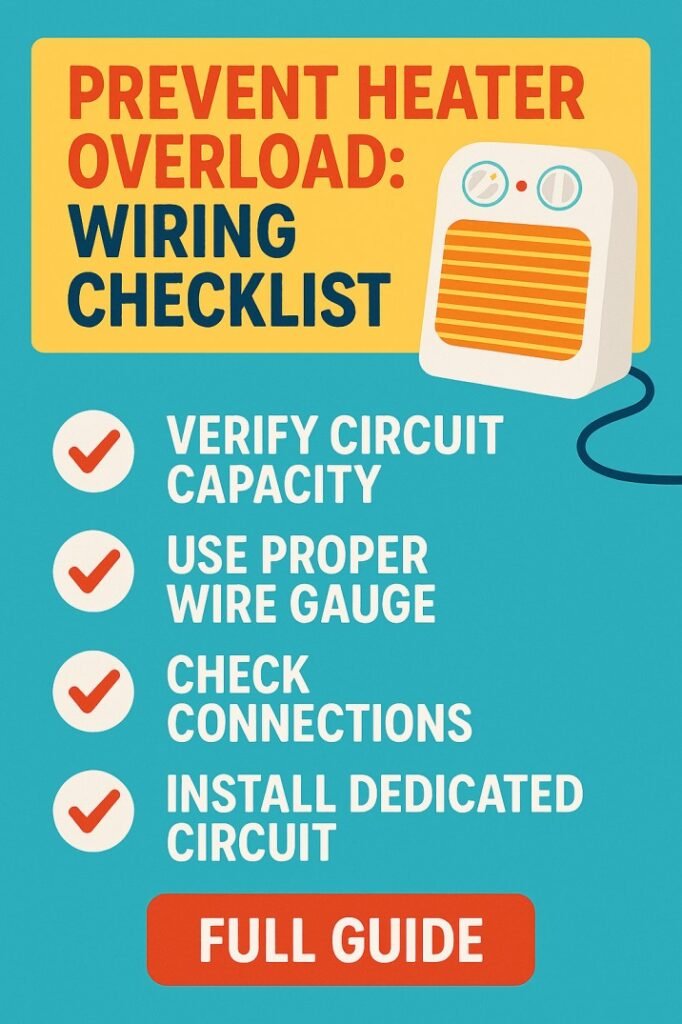
Table of Contents
Understanding Heater Overload
Heater overload occurs when the electrical current flowing through the heating device exceeds its rated capacity. This can result from incorrect wiring, faulty connections, or using an appliance beyond its designed limit. Overload can cause components to overheat, insulation to degrade, and in extreme cases, circuit breakers to fail. By following a systematic wiring checklist, you can prevent heater overload and extend the life of your heating equipment.
Key Causes of Heater Overload
- Incorrect wire gauge: Using wires that are too thin for the heater’s current can result in overheating.
- Loose connections: Loose or corroded terminals increase resistance, generating heat.
- Improper circuit protection: Fuses or circuit breakers with incorrect ratings fail to prevent overload.
- Continuous overuse: Running the heater at maximum capacity for extended periods stresses the wiring.
- Environmental factors: High ambient temperatures or poor ventilation can amplify electrical stress.
This tool can help you get the job done more efficiently Solar Wire Size Calculator (DC): Best Solar Cable Sizing Tool
Wiring Checklist to Prevent Heater Overload
Following a wiring checklist ensures every connection is secure and rated correctly. This helps prevent electrical failures and enhances safety.
1. Verify Wire Gauge
- Always use wires that match the heater’s current rating.
- Refer to the manufacturer’s specifications to select the correct wire size.
- For example, a 15-amp heater typically requires 14 AWG wire, while a 20-amp heater may need 12 AWG.
| Heater Rating | Recommended Wire Gauge | Circuit Breaker Rating |
|---|---|---|
| 1500W / 120V | 14 AWG | 15A |
| 2000W / 120V | 12 AWG | 20A |
| 3000W / 240V | 10 AWG | 30A |
2. Inspect Connections
- Ensure all terminal screws are tight and free of corrosion.
- Use proper connectors rather than twisting wires together.
- Check that grounding wires are securely attached to reduce shock risk.
Take a look at this tool for a smarter way to handle feeder wire sizing Feeder Wire Size Calculator – Accurate Guide for Electricians and Homeowners
3. Proper Circuit Protection
- Always install a circuit breaker or fuse rated slightly above the heater’s full load amperage.
- Avoid bypassing protection devices as it increases the risk of overload.
- Consider using a GFCI outlet in areas prone to moisture.
4. Maintain Safe Distance
- Keep heaters away from flammable materials like curtains, paper, or wooden furniture.
- Ensure adequate ventilation around the heater to dissipate heat effectively.
5. Avoid Multiple Appliances on One Circuit
- Do not connect multiple high-wattage devices on the same circuit as the heater.
- Overloading a single circuit increases the chance of tripped breakers or overheating.
6. Regular Inspection
- Inspect wiring and connections every 6-12 months.
- Look for signs of wear, discoloration, or melting insulation.
- Replace damaged wires immediately to prevent heater overload.
We recommend this tool for anyone struggling with the sizing of subpanels. Try here Wire Size Calculator for Subpanels and Feeders – NEC Guidelines Included
7. Use Quality Components
- Use high-quality outlets, switches, and wires to ensure reliability.
- Avoid cheap alternatives, which are prone to failure and overheating.
Advanced Tips to Prevent Heater Overload
- Install a dedicated circuit: A dedicated circuit for your heater reduces the chance of overload.
- Use smart plugs with monitoring: Some smart plugs can monitor current draw and alert you to potential overload.
- Thermal cutoffs: Devices with built-in thermal protection automatically shut off if the heater overheats.
- Label circuits: Proper labeling helps in identifying the right circuit and prevents accidental overload.
Troubleshooting Common Heater Overload Issues
If you suspect your heater is at risk of overload, follow these troubleshooting steps:
- Check for tripped breakers: Reset the breaker only after ensuring the load is within safe limits.
- Test the outlet: Use a multimeter to confirm voltage stability.
- Inspect wire connections: Look for loose or corroded terminals.
- Monitor heater performance: Unusual noises or excessive heat can indicate wiring problems.
Try this tool out to save time and effort for easy conversions Amps to Wire Size Calculator – Choose the Right Cable for 10A, 20A, 40A Loads
Benefits of Following a Wiring Checklist
- Enhanced Safety: Reduces the risk of fire and electrical shock.
- Longer Appliance Life: Proper wiring ensures heaters operate efficiently.
- Cost Savings: Avoids repairs and replacements caused by overload damage.
- Improved Energy Efficiency: Correct wiring reduces energy losses and improves performance.
Conclusion
Preventing heater overload starts with understanding the electrical requirements of your heater and following a systematic wiring checklist. Correct wire gauge, secure connections, appropriate circuit protection, and regular inspections are the pillars of safe operation. By taking preventive measures, you not only ensure your heater operates efficiently but also safeguard your home or workplace from potential electrical hazards. Remember, investing time in proper wiring and maintenance is far more cost-effective than dealing with the consequences of heater overload.
Use this tool if you are trying to calculate cable size for underground cables. Try here Underground Cable Size Calculator – Find Correct Wire Size for Long Distance Runs
Follow Us on Social:
Subscribe our Newsletter on Electrical Insights for latest updates from Electrical Engineering Hub
#PreventHeaterOverload, #HeaterSafety, #ElectricalChecklist, #HomeElectricalTips, #CircuitProtection, #WiringSafety, #ElectricalMaintenance, #OverloadPrevention, #SafeHomeHeating, #HeaterWiring