How to Recycle Lithium Ion Batteries: 7 Powerful Steps for a Cleaner Future
Lithium-ion batteries power almost everything around us today. From smartphones and laptops to electric vehicles and solar storage systems, they have become an essential part of modern living. But as their use grows, so does the need to dispose of them properly. When these batteries end up in regular trash, they release harmful chemicals and pose fire risks. Learning how to recycle lithium ion batteries is one of the best ways to protect the environment and recover valuable materials.
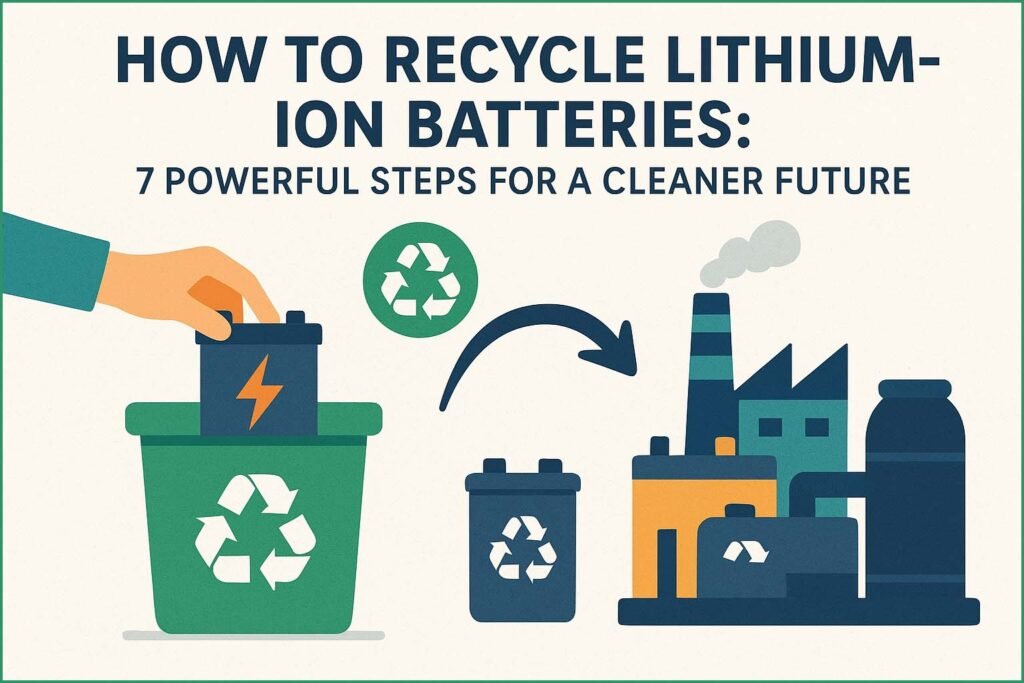
Table of Contents
Recycling these batteries saves energy, reduces mining demand, and prevents pollution. The good news is that the process can be simple when you know the right steps. This guide explains how to recycle lithium-ion batteries in seven clear, practical stages that anyone can follow.
Why Lithium Ion Battery Recycling Matters
Lithium-ion batteries contain lithium, cobalt, nickel, graphite, aluminum, and copper. These materials can be reused in new batteries and electronics. Recycling reduces the pressure on natural resources and lowers carbon emissions. It also prevents battery fires in landfills and protects soil and water from toxic leakage. Responsible recycling supports a cleaner and more sustainable future.
Know more about IEC Standard for VRLA Battery – Complete Guide to Design, Testing, and Performance
Understanding the Risks of Improper Disposal
Throwing lithium-ion batteries in household waste can be dangerous. These batteries can ignite when punctured or exposed to high heat. They can also leak chemicals that damage ecosystems. Many countries now regulate battery disposal to avoid these hazards. By following proper recycling steps, you keep your community safer and contribute to a greener planet.
7 Powerful Steps on How to Recycle Lithium Ion Batteries
1. Identify the Battery Type
Start by confirming that the battery is a lithium-ion battery. Look for labels such as Li-ion, Li-poly, or Lithium Rechargeable. Many devices include this information near the battery compartment or in the user manual. Identifying the type ensures you follow the correct recycling method, as different batteries require different handling processes.
2. Check Local Recycling Regulations
Every area has specific rules for electronic waste and battery disposal. Some regions accept batteries at local collection centers, while others require drop-off at specialized facilities. A quick online search can show nearby recycling points and accepted battery types. Always follow local guidelines to ensure safe and legal disposal.
3. Remove the Battery Safely
If the battery is removable, take it out carefully. Use insulated tools if needed and avoid puncturing or damaging the battery. For devices with built-in batteries, such as smartphones or tablets, do not attempt to remove the battery yourself. Visit an authorized service center that can safely extract it without causing damage.
Know more about Best Solar Batteries for Tesla Powerwall Alternatives
4. Store the Battery Properly Before Recycling
Once removed, store the battery in a cool, dry place. Keep it away from heat, direct sunlight, and metal objects. For added safety, cover the battery terminals with electrical tape. This prevents accidental short-circuits during transportation. Store the battery in a non-metallic container until you deliver it to a recycling point.
5. Find a Certified Battery Recycling Facility
Certified recyclers use advanced processes such as shredding, chemical treatment, mechanical separation, and hydrometallurgy to recover valuable materials. You can find certified facilities through local waste programs, electronics stores, auto service centers, or environmental organizations. Many companies also run take-back programs for used batteries.
6. Hand Over the Battery for Processing
At the recycling facility, workers sort and inspect the batteries. They then process them to recover lithium, nickel, cobalt, and other metals. These recovered materials can be used again to create new batteries and electronic components. This step helps reduce the need for raw material extraction and promotes a circular economy.
7. Support Eco-Friendly Battery Disposal Habits
Finally, make responsible recycling a habit. Encourage family, friends, and colleagues to follow the same process. Choose brands that support sustainability and offer take-back programs. The more people who recycle lithium-ion batteries correctly, the cleaner and safer our environment becomes.
Know more about Best Batteries for Solar Panels in UK (2025) – Top Solar Storage Options for Homes
Table: What Happens to Lithium Ion Batteries After Recycling?
| Stage of Recycling | Process Description | Key Benefits |
|---|---|---|
| Collection | Batteries are gathered from consumers and businesses | Higher recycling rates and safer disposal |
| Sorting | Batteries are classified by chemistry and condition | Ensures correct treatment |
| Discharging | Stored energy is safely removed | Reduces fire risks |
| Shredding | Batteries are broken into small pieces | Prepares materials for extraction |
| Material Separation | Metals, plastics, and chemicals are separated | Recovers valuable resources |
| Refining | Extracted metals are purified | Supplies materials for new batteries |
| Reuse | Recovered materials return to manufacturing | Supports circular economy |
Know more about Battery Energy Storage System Design and ROI
Benefits of Recycling Lithium Ion Batteries
Recycling these batteries reduces environmental impact and supports cleaner energy systems. It lowers greenhouse gas emissions and decreases mining activities. It also reduces landfill waste, protects soil from harmful chemicals, and creates new job opportunities in the recycling sector. As renewable energy and electric vehicles expand, battery recycling will become even more important.
Future of Lithium Ion Battery Recycling
New technologies are improving battery recycling efficiency. Modern methods recover more lithium and reduce processing waste. Governments and companies are investing in recycling plants to support growing demand. In the future, recycling will play a major role in sustainable energy storage, helping the world move toward cleaner power solutions.
Know more about Does the 80% Charging Rule Still Matter?
Recycling lithium-ion batteries is not just a responsible act—it is essential for protecting the planet. By following these seven powerful steps, you can make a meaningful impact. Understanding how to recycle lithium ion batteries helps reduce pollution, save resources, and build a greener future for everyone.
Follow Us on Social:
Subscribe our Newsletter on Electrical Insights for latest updates from Electrical Engineering Hub
lithium ion battery recycling, battery disposal, sustainable living, eco friendly tips, e waste management, recycling guide, clean energy, environmental safety, green practices, waste reduction