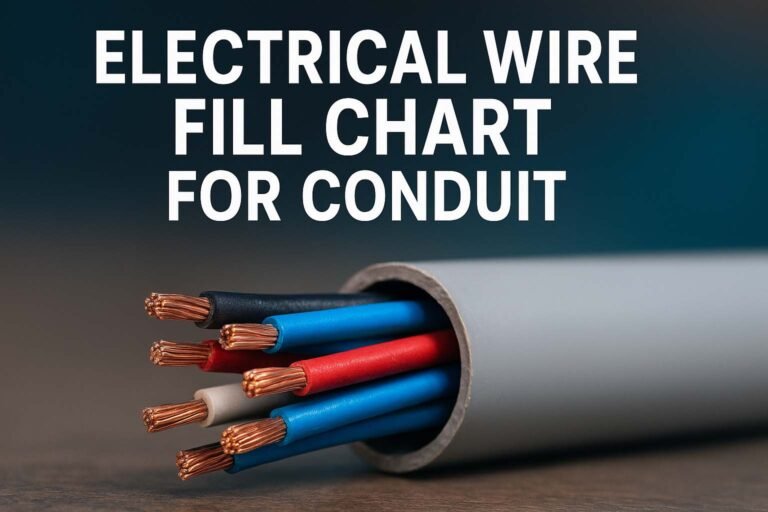
HDPE Conduit Fill Chart: 7 Powerful Tips to Maximize Electrical Efficiency
When it comes to electrical installations, HDPE conduits are an essential choice for ensuring safe, durable, and efficient cable management. Understanding the right fill capacity is crucial for both performance and compliance. The HDPE Conduit Fill Chart is your guide to planning installations accurately and maximizing electrical efficiency. In this article, we’ll explore seven powerful tips that can help you get the most out of your conduit system while keeping everything safe and efficient.

Understanding HDPE Conduit and Its Benefits
High-Density Polyethylene (HDPE) conduits are flexible, lightweight, and corrosion-resistant. Unlike traditional PVC or metal conduits, HDPE offers superior durability in harsh conditions. They are commonly used in residential, commercial, and industrial projects. Properly filling HDPE conduits is vital because overfilling can cause cable damage, overheating, and reduced lifespan, while underfilling leads to wasted space and higher material costs.
Access our powerful online calculator now Conduit Fill Calculator (NEC Standard): Best Tool
Using an HDPE Conduit Fill Chart ensures you adhere to electrical standards while optimizing space. These charts provide the recommended number of cables per conduit diameter, preventing common installation mistakes.
Tip 1: Always Refer to the HDPE Conduit Fill Chart
The first step in maximizing efficiency is consulting a reliable HDPE Conduit Fill Chart. This chart lists the maximum allowable fill percentages for various conduit sizes and cable types. Following these standards guarantees compliance with safety regulations and reduces installation errors. For example, a 25mm HDPE conduit can carry up to three 4mm² cables safely without compromising performance.
Sample HDPE Conduit Fill Chart
| Conduit Size (mm) | Cable Size (mm²) | Max Cables | Fill % |
|---|---|---|---|
| 20 | 2.5 | 4 | 40 |
| 25 | 4 | 3 | 40 |
| 32 | 6 | 4 | 40 |
| 40 | 10 | 3 | 40 |
| 50 | 16 | 3 | 40 |
Using this chart, electricians can plan their installations accurately, ensuring that conduits are neither overfilled nor underutilized.
Try our free online tool today Conduit Fill Calculator Canada: Accurate Electrical Planning Tool
Tip 2: Consider Cable Type and Insulation
Different cable types occupy different space within a conduit. Power cables, control cables, and fiber optics vary in diameter and flexibility. The HDPE conduit fill chart provides a general guideline, but always account for the specific insulation and shielding of your cables. For instance, armored cables may require fewer units per conduit due to extra thickness.
Tip 3: Plan for Future Expansion
Electrical projects often evolve. Installing conduits with maximum fill capacity leaves no room for future upgrades. By filling conduits to 70–80% of their maximum capacity listed in the HDPE Conduit Fill Chart, you allow space for additional wiring without replacing the entire system. This forward-thinking approach improves efficiency and reduces long-term costs.
Experience fast and accurate results using our online tool Conduit Fill Calculator for Multiple Wire Sizes: Best Tool
Tip 4: Maintain Proper Bending Radius
Bending conduits too tightly can stress cables and reduce their lifespan. HDPE is flexible, but excessive bends increase friction during cable pulling and may cause insulation damage. Refer to bending radius guidelines alongside the HDPE Conduit Fill Chart to maintain smooth cable routes. Standard practice is to maintain a bend radius of at least 10 times the conduit diameter for power cables.
Tip 5: Use Lubrication for Easy Cable Pulling
When conduits are close to maximum fill capacity, pulling cables can become difficult. Using approved cable lubricants reduces friction and prevents damage to insulation. This tip works hand-in-hand with the HDPE Conduit Fill Chart, allowing you to safely approach optimal fill percentages without compromising cable integrity.
Tip 6: Ensure Proper Ventilation and Heat Dissipation
Electrical cables generate heat under load. Overfilled conduits trap heat, reducing efficiency and potentially triggering thermal degradation. Following the HDPE Conduit Fill Chart ensures there is sufficient space for airflow, which aids heat dissipation. For high-current applications, consider de-rating cables or installing additional conduits to prevent overheating.
Explore our professional online tool for quick calculations Conduit Fill Calculator for Fiber Optic Cable: Important Tool
Tip 7: Regular Inspection and Maintenance
Even after a well-planned installation, periodic inspections are essential. Verify that cables remain organized, conduits are free from moisture, and no mechanical stress is affecting the system. The HDPE Conduit Fill Chart serves as a reference during inspections, helping you determine if any conduit requires adjustment or cable re-routing. Use our online tool Conduit Fill Calculator for Multi Conductor Cable which measures accurate NEC-Based Cable conduit Sizing
Practical HDPE Conduit Selection Table
| Project Type | Conduit Size (mm) | Recommended Fill % | Notes |
|---|---|---|---|
| Residential Lighting | 20 | 40 | Small gauge cables |
| Commercial Power | 32 | 50 | Medium gauge, high current |
| Industrial Automation | 40 | 60 | Multiple control and power |
| Fiber Optic Installation | 25 | 50 | Ensure easy cable pulling |
| Outdoor Underground | 50 | 60 | Protect from mechanical stress |
This table demonstrates how to balance conduit size, fill percentage, and project type to maximize electrical efficiency. By adhering to these guidelines, you reduce installation errors and extend the life of both cables and conduits.
Use our online tool for free Conduit Fill Calculator for Fire Alarm Cable: Best Tool for Engineers
Common Mistakes to Avoid
- Overfilling Conduits: Ignoring the HDPE Conduit Fill Chart leads to cable overheating and insulation damage.
- Using Wrong Cable Types: Not accounting for insulation thickness can overstate fill capacity.
- Neglecting Bending Radius: Tight bends increase mechanical stress and make future cable pulling difficult.
- Skipping Lubrication: In high-density installations, cables can snag and get damaged without proper lubrication.
- Ignoring Future Expansion: Filling conduits to maximum limits leaves no room for upgrades.
Avoiding these mistakes ensures that your HDPE conduit system performs efficiently over time and remains safe.
Use our online tool Sub Panel Breaker Size Calculator – Find the Right Breaker for Your Electrical Sub Panel
Conclusion
A properly planned electrical system relies heavily on using the right conduit size and fill. The HDPE Conduit Fill Chart is an essential tool for electricians, project managers, and engineers, providing guidance to achieve optimal cable density without compromising safety. By following these seven powerful tips—consulting the chart, considering cable type, planning for expansion, maintaining bending radius, using lubrication, ensuring ventilation, and conducting regular maintenance—you can maximize electrical efficiency and reduce long-term costs.
Use our online tool Conduit Fill Calculator CAT6: A Simple Guide for Safe Cable Installation
Investing time in planning and following the HDPE Conduit Fill Chart not only ensures compliance with industry standards but also improves project reliability, reduces downtime, and enhances overall safety. A little preparation today saves major headaches tomorrow.
Follow Us on Social:
Subscribe our Newsletter on Electrical Insights for latest updates from Electrical Engineering Hub
#HDPEConduitFillChart, #ElectricalConduits, #CableManagement, #HDPEConduit, #ConduitInstallation, #ElectricalSafety, #WiringSolutions, #ConduitPlanning, #HDPEGuide, #ConduitCharts