Georgia Residential Building Code: 7 Powerful Tips for Stress-Free Compliance
Navigating the Georgia Residential Building Code can feel overwhelming for homeowners, builders, and contractors alike. From structural requirements to safety regulations, the code ensures every residential project is safe, sustainable, and up to standard. Understanding these regulations not only prevents legal issues but also increases the value of your property. Here are seven powerful tips to make compliance stress-free and straightforward.
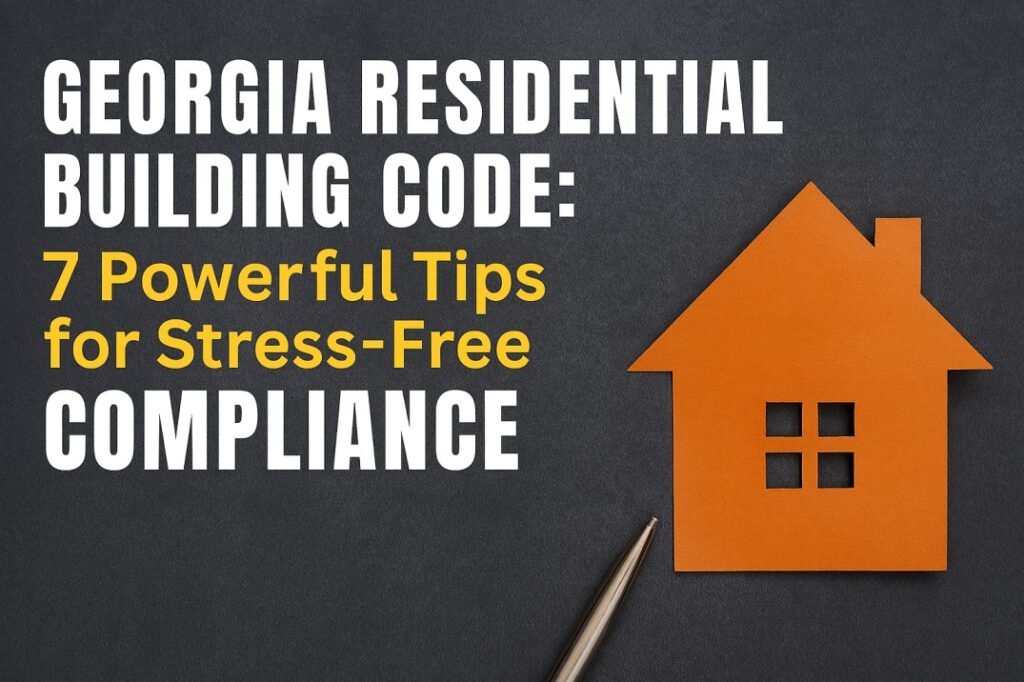
Table of Contents
1. Understand the Basics of the Georgia Residential Building Code
Before starting any construction or renovation, familiarize yourself with the Georgia Residential Building Code. The code governs construction standards for residential properties across the state. It covers everything from structural integrity to fire safety and energy efficiency. Knowing the essentials helps prevent costly mistakes during inspections and construction.
Key aspects include minimum ceiling heights, stair and railing requirements, and safety features like smoke detectors. Ensuring your project aligns with these rules early on can save time and money. Explore details on Electrical Compliance Testing – Safety Regulations | Best Electrical Services in USA
| Feature | Requirement | Notes |
|---|---|---|
| Ceiling Height | 7 feet minimum | Living spaces must meet this standard |
| Stairs | 36 inches width minimum | Includes railings for safety |
| Smoke Detectors | Required in bedrooms and hallways | Must meet NFPA standards |
Learn more about NFPA 70 National Electrical Code | Electrical Safety Experts
2. Work with Licensed Professionals
One of the easiest ways to comply with the Georgia Residential Building Code is to hire licensed contractors, architects, and engineers. Licensed professionals are familiar with local regulations, permits, and inspection requirements. They can guide you in choosing materials and designs that meet the code while avoiding unnecessary costs.
Working with experts also minimizes the risk of violations, which can result in fines, project delays, or even having to redo work. Their experience ensures that your project is both safe and compliant. Learn more in detail on NEMA 250 Enclosures – Electrical Enclosure Standards | Best Manufacturing Companies in USA
3. Obtain Proper Permits
Permit requirements are central to the Georgia Residential Building Code. Any construction, remodeling, or structural change typically requires a permit from your local building authority. Obtaining permits before work begins ensures inspections are carried out at the right stages of construction.
| Permit Type | When Required | Importance |
|---|---|---|
| Building Permit | New construction | Ensures structural compliance |
| Electrical Permit | Wiring changes | Confirms safe electrical installation |
| Plumbing Permit | Pipe installation or relocation | Prevents leaks and health hazards |
Skipping permits can lead to penalties, delays, and even the invalidation of insurance claims. Always check with your local building department before starting.
Use our online tool Creepage Distance Calculator – Calculate Safe Insulation & Clearance for PCB and High Voltage Design
4. Follow Energy Efficiency Requirements
The Georgia Residential Building Code includes energy efficiency provisions to reduce utility costs and improve comfort. This includes insulation standards, window performance, and HVAC efficiency. Meeting these requirements not only complies with the law but also benefits your home’s long-term sustainability.
For example, proper insulation reduces energy consumption and ensures your home stays comfortable year-round. Using energy-efficient windows and doors can also improve indoor air quality and lower heating and cooling expenses.
| Component | Minimum Requirement | Benefit |
|---|---|---|
| Wall Insulation | R-13 to R-20 | Reduces heat loss |
| Roof Insulation | R-30 | Enhances energy efficiency |
| Windows | U-Factor ≤ 0.32 | Keeps interiors comfortable |
Know more about Phase to Phase Clearance as per IEC 61439: Best Guide
5. Maintain Safety Standards
Safety is at the core of the Georgia Residential Building Code. Requirements include fire-resistant materials, proper egress routes, smoke and carbon monoxide detectors, and safe staircases. Ensuring compliance prevents accidents and protects both residents and property.
Key safety considerations include proper railing height, handrail continuity, and emergency exit access. Even minor violations can pose risks or lead to failed inspections. A focus on safety makes your home secure and compliant.
6. Keep Accurate Documentation
Documenting every stage of construction is critical. Keep records of permits, inspection reports, material specifications, and contractor agreements. This not only helps during inspections but also serves as proof of compliance if disputes arise.
Accurate documentation can speed up approval processes and prevent unnecessary fines. It also boosts transparency when selling the property, as buyers and inspectors can easily verify that all work meets the Georgia Residential Building Code. Know more about How to Comply with OSHA Electrical Standards in detail
7. Schedule Timely Inspections
Regular inspections ensure that your construction meets the Georgia Residential Building Code at every stage. Scheduling inspections at key points — such as foundation, framing, and final completion — helps catch errors before they become major issues.
| Stage | Purpose | Tips |
|---|---|---|
| Foundation | Verify soil stability and footing | Take photos before pouring concrete |
| Framing | Ensure structural support | Double-check load-bearing walls |
| Final | Confirm all systems meet code | Include electrical, plumbing, and safety checks |
Timely inspections reduce the risk of costly corrections and speed up project completion. Know more about OSHA Electrical Safety Standard 1910 – Workplace Electrical Safety | Safety Experts
Conclusion
Complying with the Georgia Residential Building Code doesn’t have to be stressful. By understanding the rules, working with licensed professionals, obtaining the right permits, and focusing on energy efficiency and safety, you can ensure your residential project is smooth and successful. Keeping detailed documentation and scheduling timely inspections adds an extra layer of security and confidence.
Following these seven tips not only guarantees code compliance but also maximizes the value and safety of your home. With careful planning and attention to detail, you can navigate the Georgia Residential Building Code with confidence and ease.
Know more about Electrical Standards USA – National Electrical Code | Electrical Safety Foundation
Follow Us on Social:
Subscribe our Newsletter on Electrical Insights for latest updates from Electrical Engineering Hub
#GeorgiaResidentialBuildingCode, #BuildingRegulationsGA, #HomeConstructionRules, #ResidentialCodeGuide, #ConstructionComplianceGA, #GeorgiaBuildingStandards, #SafeHomesGA, #BuildingCodeTips, #HomeSafetyGA, #GAConstructionLaws