How to Comply with Japan Electrical Wiring Regulations: Best Guide
Ensuring electrical installations are safe and efficient is essential for both residential and commercial properties in Japan. Understanding and adhering to Japan’s Electrical Wiring Regulations is not just a legal requirement, but also a critical step in protecting property, equipment, and lives. These regulations are designed to maintain safety, prevent accidents, and standardize electrical practices across the country.
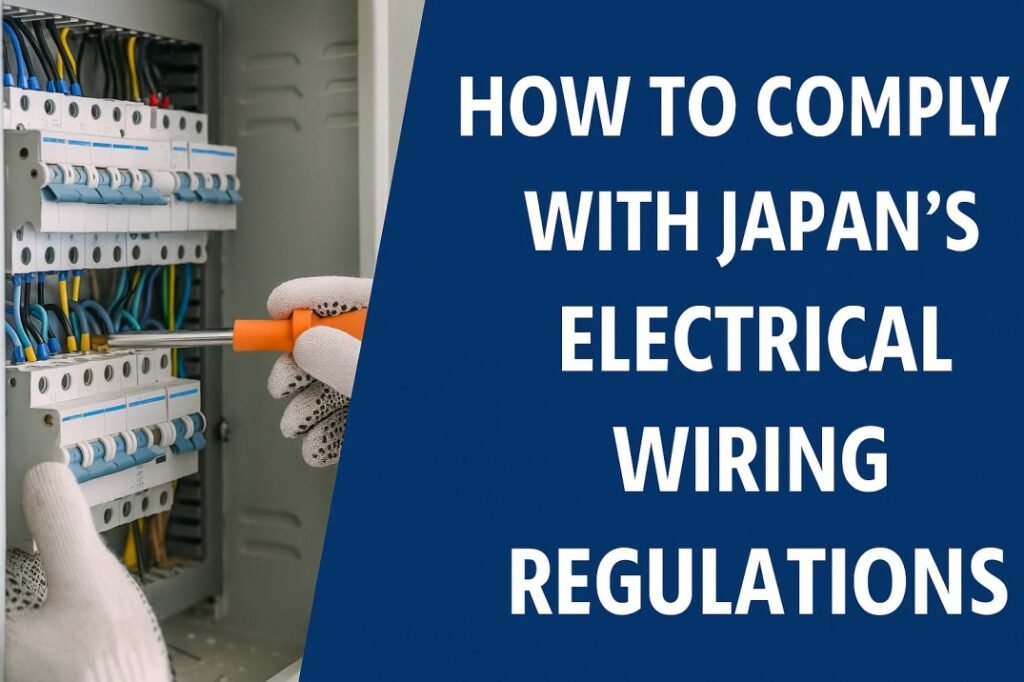
Table of Contents
This article provides a comprehensive guide on how to comply with Japan Electrical Wiring Regulations, helping electricians, contractors, and property owners meet national standards effectively.
Understanding Japan Electrical Wiring Regulations
Japan Electrical Wiring Regulations, also known as the Electrical Appliance and Material Safety Law (DENAN Law), set the standards for wiring, equipment, and installation practices. These regulations govern everything from cable types and wiring methods to protective devices and grounding practices. Compliance ensures that electrical systems are safe, durable, and compatible with Japanese electrical infrastructure.
Know more about How to Comply with OSHA Electrical Standards in detail
The regulations are updated periodically to incorporate new safety standards and technology advancements. Understanding these updates is crucial for anyone involved in electrical installation and maintenance. Non-compliance can lead to legal penalties, insurance issues, or hazardous situations.
Key Requirements for Electrical Installations
Electrical installations in Japan must follow specific standards to comply with the regulations. The requirements include:
Wiring Materials: Only approved cables and conduits should be used. Conductors must meet current-carrying capacity requirements and insulation standards.
Circuit Protection: Every circuit should have proper protection devices such as circuit breakers and fuses. Overcurrent protection is mandatory.
Grounding: Proper grounding is essential for safety. All electrical systems must include grounding conductors connected to approved grounding rods or systems.
Installation Practices: Cables must be routed safely, avoiding excessive bends, exposure to heat, and mechanical damage.
Switches and Outlets: Electrical outlets must meet local standards for voltage and current ratings. Ground-fault circuit interrupters (GFCIs) are required in wet areas.
Appliance Connection: Appliances must be compatible with local voltage (100V for residential) and frequency standards (50Hz in eastern Japan and 60Hz in western Japan).
Know more about OSHA Electrical Safety Standard 1910 – Workplace Electrical Safety | Safety Experts
Common Electrical Wiring Methods in Japan
Japan uses several wiring methods that comply with the national regulations. Understanding these methods is essential for compliance.
| Wiring Method | Description | Typical Use |
|---|---|---|
| Concealed Wiring | Cables are installed inside walls or ceilings | Residential buildings |
| Surface Wiring | Cables run along walls or ceilings | Older buildings or temporary setups |
| PVC Conduits | Protective conduit used for electrical cables | Commercial and industrial buildings |
| Flexible Wiring | Used for movable equipment | Appliances and machinery |
Compliance for Residential Buildings
Residential electrical installations must meet strict standards to prevent accidents. Homeowners and electricians should follow these guidelines:
- Install separate circuits for lighting, kitchen, and heavy appliances.
- Use double-insulated wires for areas exposed to moisture.
- Ensure all outlets in bathrooms, kitchens, and outdoor spaces are equipped with GFCIs.
- Maintain proper spacing between outlets and switches to reduce electrical hazards.
- Conduct inspection and testing before moving in, verifying voltage, continuity, and grounding.
Know more about Electrical Standards USA – National Electrical Code | Electrical Safety Foundation
Compliance for Commercial and Industrial Installations
Commercial and industrial settings require more robust compliance due to higher electrical loads. The key points include:
- Install circuit breakers rated for higher currents.
- Use fire-resistant conduits and cables.
- Implement emergency power shutdown systems.
- Label all circuits clearly to prevent accidental disconnections.
- Perform periodic inspections as per the regulation requirements to maintain compliance.
Steps to Ensure Compliance
Following a structured process ensures full compliance with Japan Electrical Wiring Regulations. The recommended steps are:
- Planning: Assess electrical load, building type, and equipment requirements.
- Design: Create a wiring diagram and select approved materials.
- Installation: Follow the wiring standards, grounding requirements, and protection measures.
- Inspection: Conduct checks for continuity, insulation resistance, and grounding effectiveness.
- Certification: Obtain approval from a licensed electrical inspector.
Learn more in detail on NEMA 250 Enclosures – Electrical Enclosure Standards | Best Manufacturing Companies in USA
Inspection and Maintenance
Regular inspections and maintenance are essential for ongoing compliance. Electrical systems should be reviewed periodically to detect wear, damage, or non-compliance issues. The inspection checklist includes:
| Inspection Item | Frequency | Purpose |
|---|---|---|
| Circuit Breakers | Every 6 months | Ensure functionality and safety |
| Grounding System | Annually | Verify proper connection |
| Wiring Condition | Every 2 years | Check for insulation wear or damage |
| Outlets and Switches | Annually | Prevent short circuits and shock hazards |
Common Mistakes to Avoid
Many electrical issues arise from simple mistakes that violate Japan Electrical Wiring Regulations. Avoid these common errors:
- Using non-approved cables or materials.
- Ignoring grounding requirements.
- Overloading circuits without proper protection.
- Incorrect installation of GFCIs or outlets.
- Failing to update systems according to the latest regulations.
Training and Certification
Compliance also requires that electricians and installers are trained and certified. Only licensed professionals should perform installations and inspections. Training ensures familiarity with the latest standards, wiring methods, and safety measures. Certification demonstrates competence and is often required for legal compliance and insurance purposes.
Benefits of Compliance
Complying with Japan Electrical Wiring Regulations provides multiple advantages:
- Safety: Reduces the risk of electrical accidents and fires.
- Efficiency: Optimizes electrical system performance.
- Legal Protection: Avoids penalties and ensures insurance coverage.
- Property Value: Enhances the value of residential and commercial buildings.
Explore details on Electrical Compliance Testing – Safety Regulations | Best Electrical Services in USA
Conclusion
Understanding and adhering to Japan Electrical Wiring Regulations is essential for anyone involved in electrical work or property ownership. Compliance ensures safety, reliability, and legal adherence. By selecting approved materials, following proper installation practices, and performing regular inspections, you can maintain an electrical system that meets national standards.
Both residential and commercial properties benefit from careful planning, professional installation, and ongoing maintenance. Following these steps will not only protect your property and equipment but also create a safer environment for everyone.
Learn more about NFPA 70 National Electrical Code | Electrical Safety Experts
Follow Us on Social:
Subscribe our Newsletter on Electrical Insights for latest updates from Electrical Engineering Hub
#JapansElectricalWiringRegulations, #ElectricalComplianceJapan, #JapanWiringGuide, #SafeElectricalInstallation, #WiringStandardsJapan, #ElectricalSafetyTips, #JapanElectricCode, #ElectricalRegulationTips, #WiringComplianceChecklist, #JapanElectricalRules