Electric Vehicle Charging Building Regulations: Complete Compliance Guide for Safe EV Infrastructure & Installation Standards
The rapid growth of electric vehicles has increased the demand for safe and reliable charging infrastructure in residential, commercial, and public spaces. Understanding Electric Vehicle Charging Building Regulations is essential for developers, electricians, facility managers, and homeowners who plan to install EV charging stations. These regulations ensure that installations are safe, efficient, and compliant with national and local building codes while reducing risks such as electrical overload, fire hazards, and structural issues.
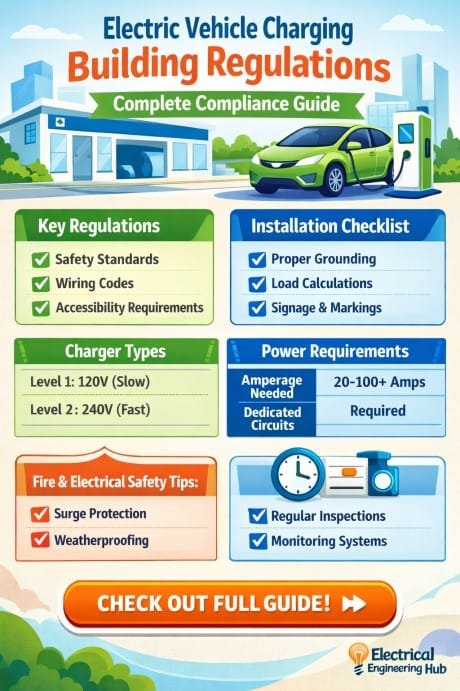
Table of Contents
As governments push toward cleaner transportation, the importance of Electric Vehicle Charging Building Regulations continues to rise. Proper compliance not only ensures safety but also improves long-term performance and legal approval of charging systems.
Overview of EV Charging Compliance Requirements
Electric vehicle charging systems must follow structured guidelines that cover electrical design, load management, wiring standards, and installation approvals. Electric Vehicle Charging Building Regulations typically align with international electrical codes such as IEC standards, NEC guidelines, and local authority building bylaws.
Explore details on iec and ieee standards
These regulations focus on ensuring that the electrical grid can handle additional load from EV chargers without causing instability. They also ensure proper grounding, insulation, and protection devices are in place.
Key compliance requirements include:
- Proper load calculation before installation
- Use of certified EV charging equipment
- Installation by licensed electricians
- Integration of residual current devices (RCDs)
- Adequate ventilation and weather protection for outdoor units
Common Regulatory Components
| Component | Requirement | Purpose |
|---|---|---|
| Electrical Load Assessment | Mandatory before installation | Prevents overload on main supply |
| Circuit Protection | Dedicated breaker required | Ensures system safety |
| Earthing System | Proper grounding needed | Reduces shock risk |
| Cable Quality | Fire-resistant cables | Enhances durability and safety |
Building Permits and Approval Process
Before installing any EV charging station, obtaining the right permits is a key step. Electric Vehicle Charging Building Regulations require property owners to submit installation plans to local building authorities or municipal bodies for approval.
The approval process usually includes reviewing electrical diagrams, load calculations, and site layout. In commercial buildings, additional approvals may be required from fire safety departments and utility providers.
Learn more about tesla insurance in florida
In many regions, installations above a certain power level must undergo inspection before activation. This ensures that the infrastructure is compatible with existing electrical systems and does not pose a safety risk to users or the building.
Common approval steps include:
- Submission of electrical design drawings
- Site inspection by certified authorities
- Verification of compliance with building codes
- Final clearance certificate issuance
Electrical Safety and Installation Standards
Electrical safety is the backbone of EV charging systems. Electric Vehicle Charging Building Regulations emphasize the use of high-quality materials, proper installation techniques, and protective systems to prevent hazards.
EV chargers must be installed on dedicated circuits with appropriate circuit breakers. Surge protection devices are also recommended to protect against voltage fluctuations. In addition, proper cable sizing is necessary to handle continuous high power loads.
Electrical Safety Checklist
| Safety Factor | Standard Requirement | Risk Mitigated |
|---|---|---|
| Circuit Breaker | Dedicated MCB/RCD | Electrical fire |
| Cable Sizing | Based on load capacity | Overheating |
| Surge Protection | Mandatory in commercial setups | Voltage spikes |
| Grounding | Deep earth connection | Electric shock |
Proper installation also includes maintaining minimum distance from water sources and ensuring all outdoor chargers are weatherproof and dust-resistant (IP-rated).
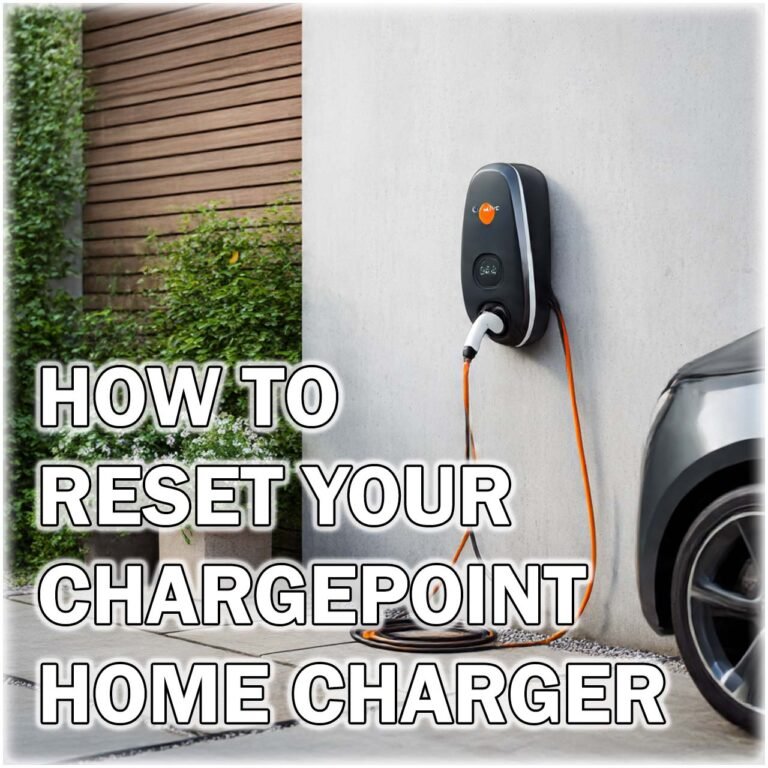
Read in detail about how to reset chargepoint home charger
Fire Safety and Zoning Considerations
Fire safety is a critical aspect of EV infrastructure planning. Electric Vehicle Charging Building Regulations require installations to be positioned in areas that reduce fire spread risks and allow easy emergency access.
In commercial and multi-story buildings, charging stations must be integrated into fire safety plans. This includes smoke detection systems, fire extinguishers nearby, and clear evacuation pathways.
Zoning laws also determine where EV chargers can be installed. Residential zones may have relaxed rules, while industrial and public charging stations must meet stricter safety and spacing requirements.
Important considerations include:
- Minimum clearance from combustible materials
- Installation away from emergency exits
- Compliance with local fire department guidelines
- Adequate spacing between multiple charging units
Installation Best Practices for Long-Term Efficiency
Following best practices ensures that EV charging systems remain efficient and durable over time. Electric Vehicle Charging Building Regulations recommend using certified installers and conducting detailed site assessments before installation.
Load balancing is another important factor, especially in buildings with multiple chargers. Smart charging systems can distribute power evenly to avoid overloading the grid.
Know more about EV Battery Types
Proper labeling of circuits and regular maintenance schedules also improve system reliability and reduce downtime.
Installation Best Practices Table
| Practice | Benefit |
|---|---|
| Load Balancing | Prevents grid overload |
| Smart Metering | Tracks energy usage accurately |
| Weatherproof Housing | Increases durability outdoors |
| Regular Maintenance | Reduces system failure risk |
Inspection, Certification, and Ongoing Compliance
After installation, inspection and certification are mandatory in most regions. Electric Vehicle Charging Building Regulations require periodic checks to ensure continued safety and performance.
Certified inspectors evaluate wiring, grounding, protection systems, and overall installation quality. Any non-compliance issues must be corrected before final approval is granted.
Ongoing compliance is equally important. Regular audits help ensure that systems continue to meet updated safety standards and technological advancements.
Explore everything about Electric Vehicle Battery Replacement Cost
Maintenance activities typically include:
- Annual electrical inspections
- Firmware updates for smart chargers
- Testing of safety shutdown mechanisms
- Checking wear and tear of cables and connectors
Final Considerations for Safe EV Infrastructure
As electric mobility expands, adherence to Electric Vehicle Charging Building Regulations becomes essential for safe and sustainable infrastructure development. These rules are designed to protect users, buildings, and electrical networks from potential hazards while supporting the transition to clean energy transportation.
Whether it is a home installation or a large-scale commercial charging network, compliance ensures reliability, efficiency, and long-term operational safety. Following proper standards not only meets legal requirements but also builds trust in EV infrastructure systems and supports the future of sustainable transport.
Know more about Best 12 Electric Vehicle Charging Stations in New York
Follow Us on Social:
Subscribe our Newsletter on Electrical Insights for latest updates from Electrical Engineering Hub
#ElectricVehicle,#EVCharging,#BuildingRegulations,#EVInfrastructure,#GreenEnergy,#EVInstallation,#ChargingStation,#SustainableEnergy,#EVCompliance,#EnergyCode