Motor Failure Causes: 7 Most Common Reasons Your Motor Stops Working
Electric motors are at the heart of countless industrial, commercial, and residential applications. From running pumps and fans to powering conveyor belts and machinery, motors keep our operations running smoothly. However, like any mechanical or electrical equipment, motors are prone to failure. Understanding the main motor failure causes is critical for maintenance, reliability, and avoiding costly downtime.
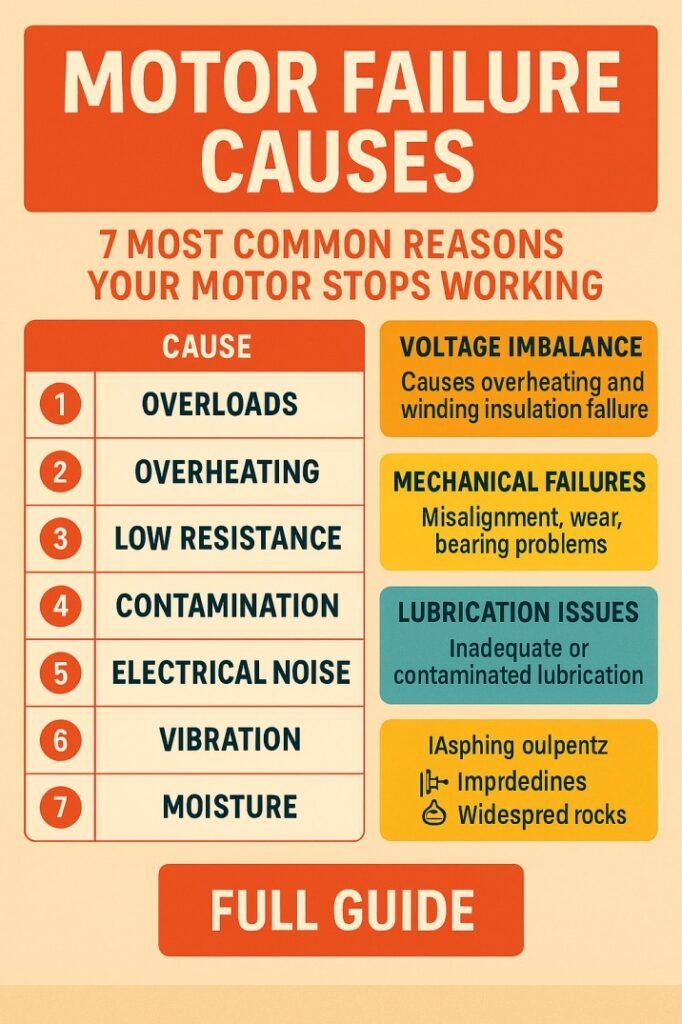
Table of Contents
This article explores the seven most common reasons motors fail and provides actionable insights to prevent these issues. By the end, you will have a clear understanding of how to keep your motors healthy and operational.
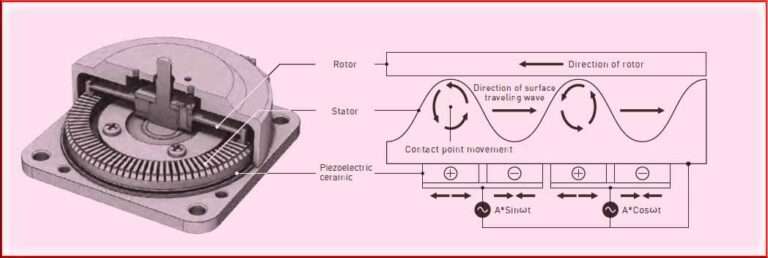
Know more about low cost servomotors
7 Most Common Motor Failure Causes
1. Overheating and Thermal Stress
One of the leading motor failure causes is overheating. Excessive heat damages the insulation of motor windings, which can result in short circuits or permanent motor damage. Overheating usually occurs due to:
- Overloading the motor beyond its rated capacity
- Poor ventilation or blocked cooling vents
- High ambient temperatures without proper derating
- Frequent start-stop cycles or continuous operation under heavy load
The consequences of thermal stress include insulation breakdown, winding damage, and bearing failure. Using temperature monitoring devices and ensuring proper ventilation can significantly reduce overheating risks.
| Symptom | Cause | Preventive Action |
|---|---|---|
| Motor feels hot to touch | Overload or blocked airflow | Install temperature sensors, avoid overloading |
| Insulation degradation | Continuous thermal stress | Regularly inspect windings, use heat-resistant insulation |
Know more about Motor Starter Size Chart: 7 Essential Insights for Better Selection
2. Electrical Supply Problems
Electrical issues are another major contributor to motor failure causes. Motors depend on a stable and balanced electrical supply. Common electrical problems include:
- Voltage fluctuations or spikes
- Phase imbalance in three-phase motors
- Incorrect voltage supply
- Frequent power interruptions
These problems lead to excessive current draw, insulation stress, and eventually motor burnout. Installing surge protectors, voltage stabilizers, and monitoring systems can prevent these failures.
| Issue | Effect on Motor | Solution |
|---|---|---|
| Voltage drop | Motor struggles to start, reduced efficiency | Check wiring, ensure correct voltage rating |
| Phase imbalance | Vibration, overheating, reduced lifespan | Use phase monitoring relays |
| Power surge | Winding damage, insulation failure | Install surge protection devices |
Know more about Motor Starter Types: A Powerful Guide with 7 Key Options You’ll Appreciate
3. Mechanical Failures
Mechanical stress is often overlooked but is a common motor failure cause. Mechanical failures occur when components such as bearings, shafts, and couplings are worn or misaligned. Frequent mechanical issues include:
- Bearing wear due to improper lubrication
- Misalignment of motor and driven equipment
- Loose or damaged couplings
- Imbalance in rotating parts
These failures result in vibrations, noise, and eventually motor seizure. Regular mechanical inspections and proper alignment can extend motor life.
| Component | Common Failure | Maintenance Tip |
|---|---|---|
| Bearings | Wear and overheating | Lubricate regularly, monitor vibration |
| Couplings | Misalignment | Check alignment during installation |
| Shaft | Bend or imbalance | Perform routine shaft inspection |
4. Contamination and Environmental Factors
Motors operating in dusty, humid, or corrosive environments face significant risk of contamination. Dirt, moisture, and chemicals can enter the motor housing, causing:
- Insulation degradation
- Bearing corrosion
- Electrical short circuits
Environmental protection, such as using IP-rated motors, sealing housings, and installing filters, helps mitigate these motor failure causes.
Know more about How does the star delta starter reduce starting current? Important Concepts
| Environmental Factor | Potential Damage | Preventive Measure |
|---|---|---|
| Dust and debris | Overheating, insulation wear | Use dust covers and filters |
| Moisture | Short circuits, corrosion | Install motors in dry, ventilated areas |
| Corrosive chemicals | Component damage | Use corrosion-resistant motors or coatings |
5. Improper Maintenance Practices
Neglecting regular maintenance is a significant motor failure cause. Even high-quality motors will fail prematurely without proper care. Common maintenance-related issues include:
- Skipping lubrication schedules
- Ignoring vibration or temperature alarms
- Failing to inspect electrical connections
- Using inappropriate cleaning methods
Following a structured maintenance program, documenting inspections, and using predictive maintenance technologies can dramatically reduce unexpected motor failures.
| Maintenance Activity | Risk of Neglect | Recommended Frequency |
|---|---|---|
| Bearing lubrication | Overheating, wear | Monthly or as per manufacturer |
| Electrical inspection | Loose connections, voltage issues | Quarterly |
| Vibration analysis | Undetected imbalance | Semi-annually |
| Cleaning | Dust accumulation | Monthly |
Know more about Difference Between Star Delta and DOL Starter: A Comprehensive Guide
6. Overloading and Operational Misuse
Running motors beyond their rated capacity is one of the most preventable motor failure causes. Overloading leads to:
- Excessive current draw
- Overheating
- Reduced motor efficiency
- Premature wear of mechanical parts
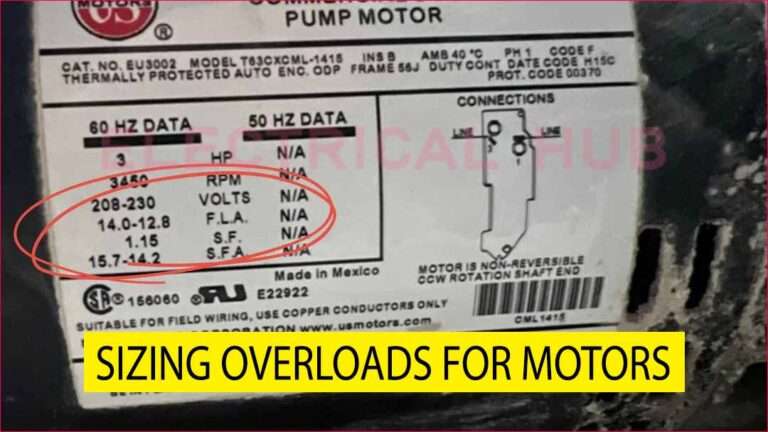
Overloading can be caused by adding extra load to existing machinery or operating at higher speed than recommended. Using motor starters, overload relays, and monitoring systems can prevent operational misuse.
| Misuse Type | Effect on Motor | Preventive Measure |
|---|---|---|
| Continuous overload | Insulation breakdown, overheating | Install thermal overload protection |
| Frequent starts/stops | Wear on bearings and windings | Use soft starters or VFDs |
| Incorrect application | Reduced efficiency | Match motor to load requirements |
Know more about Motor Overload Protection Chart: Important Concepts
7. Ageing and Insulation Degradation
Even with perfect maintenance, motors have a finite lifespan. Ageing is a natural motor failure cause, primarily due to insulation degradation over time. Key factors accelerating ageing include:
- High operating temperatures
- Frequent electrical transients
- Exposure to moisture and contaminants
- Heavy load cycles
Replacing aged motors proactively and testing insulation resistance regularly helps prevent unexpected failures.
| Age Factor | Effect on Motor | Recommended Action |
|---|---|---|
| Insulation wear | Short circuits, breakdown | Insulation resistance testing |
| Bearing fatigue | Increased vibration | Replace bearings during overhaul |
| Rotor/stator wear | Efficiency loss | Schedule motor replacement based on hours of operation |
Know more about Thermal Overload Relay: Working Principle, Types and Important Settings Calculation
Conclusion
Understanding motor failure causes is critical for reliable operations and avoiding downtime. The seven most common reasons—overheating, electrical supply problems, mechanical failures, environmental contamination, poor maintenance, overloading, and ageing—cover the majority of motor failures encountered in industry. By monitoring temperature, vibration, and electrical parameters, maintaining mechanical components, and adhering to operational limits, you can significantly extend motor life and efficiency.
Preventive measures, proper maintenance schedules, and choosing the right motor for your application are key strategies for avoiding motor failure. Incorporating these practices into your maintenance plan ensures consistent performance, reduced repair costs, and longer equipment lifespan. A well-maintained motor is not only a machine that works—it is the backbone of industrial reliability.
Use our online tool Motor Overload Setting Calculator for Single and Three Phase Motors
Follow Us on Social:
Subscribe our Newsletter on Electrical Insights for latest updates from Electrical Engineering Hub
#MotorFailure, #ElectricMotorProblems, #MotorFailureCauses, #IndustrialMotors, #MotorMaintenance, #ElectricMotorRepair, #MotorFailureSymptoms, #MotorProtection, #ElectricalEngineering, #MotorTroubleshooting