Electric Motor Problems and Solutions: 10 Best Techniques You Must Try
Electric motors are the backbone of modern machinery. From household appliances to industrial equipment, motors are everywhere. However, like any mechanical system, electric motors face issues that can lead to downtime and costly repairs. Understanding common electric motor problems and solutions can save time, money, and frustration. In this article, we’ll explore ten proven techniques to troubleshoot and fix electric motor problems effectively.

Table of Contents
Electric Motor Problems and Solutions
Before diving into solutions, it’s important to understand why motors fail. Common causes include electrical issues, mechanical wear, overheating, and environmental factors. Frequent problems include unusual noises, vibrations, failure to start, reduced efficiency, and overheating. Identifying the root cause is key to applying the right solution.
Common Symptoms of Motor Problems
| Symptom | Possible Cause | Impact |
|---|---|---|
| Motor doesn’t start | Power supply issue, blown fuse, faulty capacitor | Production delay |
| Overheating | Overload, blocked ventilation, insulation failure | Shortened motor life |
| Excessive vibration | Misalignment, worn bearings, unbalanced load | Noise, damage to surrounding equipment |
| Strange noise | Bearing wear, rotor issues, loose components | Operational inefficiency |
| Reduced speed | Voltage fluctuation, worn brushes | Poor performance |
Know more about MCC Panel Design Guide – IEC Standards, Wiring Diagram, Cost, and Sizing Calculations (Excel Template)
1. Motor Won’t Start
One of the most frustrating issues is when a motor refuses to start. This can be caused by blown fuses, tripped circuit breakers, loose wiring, or a faulty capacitor. Begin by checking the power supply. Ensure all connections are tight and the voltage matches motor requirements. If the capacitor is worn out, replace it immediately. Testing the start winding can also reveal hidden electrical faults.
Quick Tip:
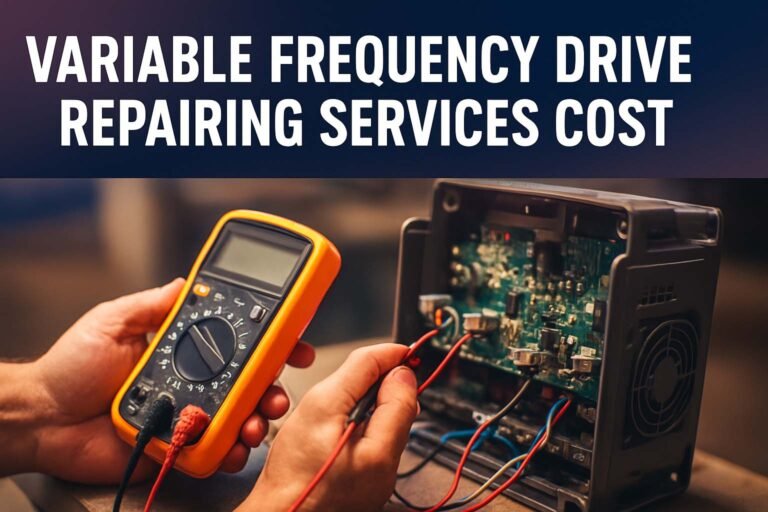
Use a multimeter to check continuity. This simple tool can save hours of troubleshooting.
2. Motor Overheating
Overheating is a common motor problem that can drastically reduce lifespan. Causes include overloading, poor ventilation, or excessive ambient temperature. To prevent overheating, reduce load if the motor is overworked. Ensure proper airflow around the motor and clean dust or debris from vents. Thermal protection devices can also safeguard the motor.
Prevention Table
| Prevention Method | Benefits |
|---|---|
| Proper ventilation | Reduces internal temperature |
| Load management | Prevents excessive current draw |
| Regular maintenance | Identifies worn parts early |
Use our online tool Motor Overload Setting Calculator for Single and Three Phase Motors
3. Unusual Noise
Strange sounds from a motor often indicate mechanical issues. Loose components, worn bearings, or rotor problems are typical causes. Inspect the motor for loose bolts or parts. Replace worn bearings promptly to avoid further damage. Lubricating moving parts regularly can also reduce noise.
Tip:
Different noises indicate different problems. High-pitched squeals often point to bearing issues, while rattling can mean loose components.
4. Excessive Vibration
Vibrations are not just annoying—they can damage motors and surrounding machinery. Common causes include misalignment, unbalanced loads, and worn mounts. To fix vibration issues, realign the motor and load. Check for unbalanced rotors and tighten all mounting bolts.
Vibration Checklist
| Cause | Solution |
|---|---|
| Misalignment | Re-align motor shaft and load |
| Worn bearings | Replace bearings |
| Loose mounts | Tighten bolts and supports |
5. Reduced Motor Speed
If a motor runs slower than expected, electrical issues are often the culprit. Voltage drops, worn brushes, or partially shorted windings can affect speed. Inspect the power supply and motor windings. Replacing brushes or adjusting the voltage can restore normal speed.
Important Note:
Consistent low voltage can permanently damage the motor, so monitor supply regularly.
6. Frequent Tripping of Circuit Breakers
Motors can trip circuit breakers if there’s a short circuit, overload, or incorrect wiring. Begin by checking for loose connections or damaged insulation. Avoid running the motor at loads beyond its rated capacity. Installing protective relays can prevent repeated tripping.
Know more about Best Industrial Electric Motor Manufacturers Near Virginia
7. Electrical Insulation Failure
Insulation failure is a serious issue that can lead to motor burnout. It often happens due to overheating, moisture, or contamination. Regular insulation resistance testing can identify weaknesses early. Drying the motor and using proper insulation materials will prevent failure.
8. Bearing Problems
Bearings are critical to motor operation. Worn or damaged bearings can cause noise, vibration, and overheating. Regular lubrication is key. In severe cases, replace the bearings entirely. Choosing the right type of bearing for your motor and environment ensures longer service life.
Bearing Maintenance Table
| Maintenance Task | Frequency | Purpose |
|---|---|---|
| Lubrication | Every 3-6 months | Reduce friction and heat |
| Visual inspection | Monthly | Detect wear early |
| Replacement | As needed | Ensure smooth operation |
Know more about Industrial Electric Motor Manufacturers Near Washington, DC
9. Rotor Issues
Rotor problems like broken bars or imbalance can lead to inefficient operation. Symptoms include vibration, noise, and reduced torque. Testing the rotor using specialized equipment can detect faults. If damaged, replacement is usually required. Regular monitoring of rotor performance helps prevent unexpected failures.
10. Environmental Factors
Motors exposed to dust, moisture, chemicals, or extreme temperatures face higher failure risks. Protect the motor with enclosures, seals, or filters. Keeping the operating environment clean and dry significantly improves motor life.
Environmental Protection Tips
| Factor | Solution |
|---|---|
| Dust | Use dust-proof enclosures |
| Moisture | Install drip-proof motors |
| Corrosive chemicals | Apply protective coatings |
Conclusion
Electric motor problems are inevitable, but most can be prevented or resolved with proper maintenance and timely interventions. Checking power supply, maintaining bearings, ensuring proper ventilation, and monitoring environmental conditions are key strategies. By applying these ten proven techniques, you can minimize downtime, reduce repair costs, and extend the lifespan of your motors.
Know more about Top 10 Electric Motor Manufacturers in the World
Remember, regular inspections and prompt corrective action are more effective than waiting for complete failure. With these solutions, you’ll keep your electric motors running efficiently and reliably.
Follow Us on Social:
Subscribe our Newsletter on Electrical Insights for latest updates from Electrical Engineering Hub
#ElectricMotorTips, #MotorMaintenance, #MotorProblems, #MotorSolutions, #IndustrialMotors, #MotorRepair, #ElectricMotorCare, #MotorTroubleshooting, #MotorEfficiency, #MotorFix