
Electrical Junction Box Calculator Best Tool for Accurate Calculations
An electrical junction box calculator is an essential tool for electricians, contractors, and DIY enthusiasts who want to ensure safety and efficiency in their electrical installations. Using a proper calculator helps determine the correct size of junction boxes needed for wiring, devices, and fittings, reducing risks of overfilling, overheating, and potential hazards. Understanding how to use an electrical junction box calculator can save time, enhance project planning, and maintain compliance with electrical codes.
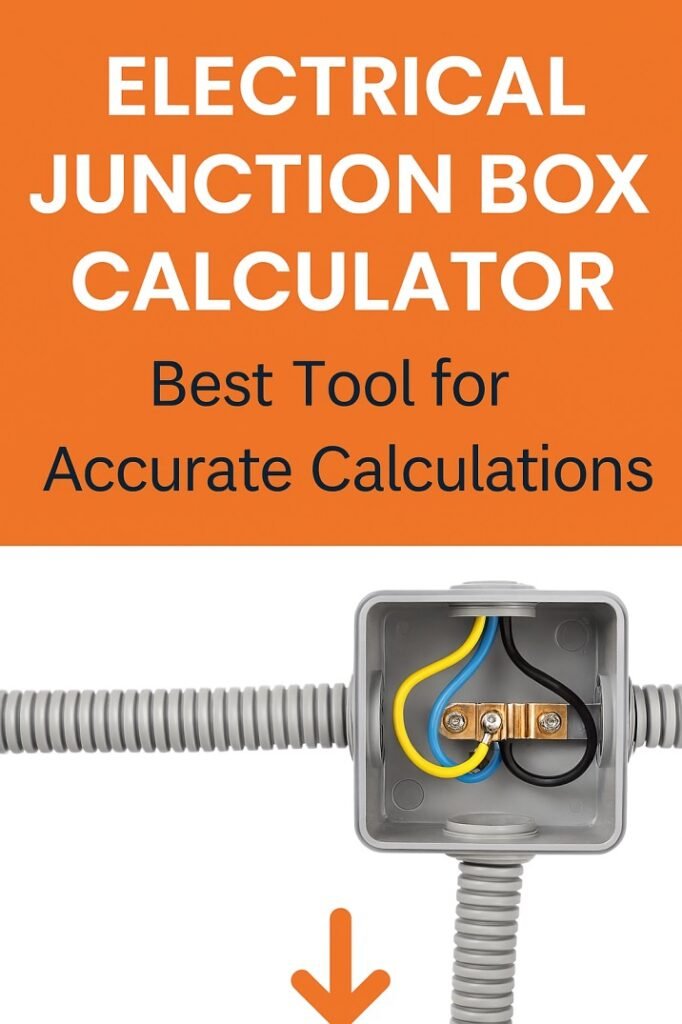
Table of Contents
Why You Need an Electrical Junction Box Calculator
Selecting the right junction box size is more than a matter of convenience. Electrical codes, such as the National Electrical Code (NEC), specify box fill limits to prevent overheating and ensure safety. A miscalculated box size can lead to crowded wires, increased fire risk, and difficulty when adding or modifying circuits in the future. The electrical junction box calculator simplifies this process by automatically computing the required box volume based on the number of conductors, devices, clamps, and other components.
Using a calculator reduces human error, especially in complex installations with multiple circuits. Instead of manually calculating cubic inches per wire and device, the calculator provides quick results, ensuring that your installation adheres to code requirements and reduces project delays.
Use our online tool Conduit Fill Calculator CAT6: A Simple Guide for Safe Cable Installation
How an Electrical Junction Box Calculator Works
The basic principle behind an electrical junction box calculator is simple: it counts all the elements inside the box and calculates the total volume required. The calculation considers:
- Conductors entering the box – Each wire adds to the total volume.
- Devices inside the box – Switches, outlets, and dimmers increase the volume requirement.
- Clamps and connectors – Box clamps, internal cable connectors, and other fittings add to the total count.
- Ground wires – All ground wires in a metal box count toward box fill calculations.
- Conduits or raceways – Sometimes the size of the entry conduit influences box selection.
The electrical junction box calculator uses a simple formula where each component is assigned a specific volume value in cubic inches. The sum of all these volumes gives the minimum box size needed.
Electrical Junction Box Calculator
Electrical Junction Box Calculator
How to Use
- Select conductor size (AWG).
- Enter number of conductors, devices, clamps, and grounds.
- Click Calculate to see required box volume in cubic inches.
- Compare with manufacturer box volumes to ensure compliance.
Use our online tool for free Conduit Fill Calculator for Fire Alarm Cable: Best Tool for Engineers
Advantages of Using an Electrical Junction Box Calculator
Accurate Measurements
Manual calculations often result in underestimating or overestimating box sizes. The calculator ensures accuracy by automatically including all wires, devices, and fittings.
Time Efficiency
Calculating box size for a single outlet is easy, but for multiple circuits in a large project, doing it manually becomes tedious. The calculator speeds up this process significantly.
Code Compliance
NEC and local codes have strict box fill rules. Using a calculator ensures that your junction boxes meet safety standards and prevent code violations.
Cost-Effective
By selecting the correct box size, you avoid buying oversized boxes unnecessarily, which reduces material costs and wastage.
Improved Project Planning
Accurate box sizing helps in planning installations efficiently, leaving room for future expansions or modifications.
Explore our professional online tool for quick calculations Conduit Fill Calculator for Fiber Optic Cable: Important Tool
Step-by-Step Guide to Using an Electrical Junction Box Calculator
Using an electrical junction box calculator is simple once you understand the required inputs:
- Count the number of wires – Include all hot, neutral, and ground wires entering the box.
- Count devices – Each device like a switch or outlet counts as two conductor equivalents.
- Include internal clamps – If your box has internal clamps, they add one unit per clamp.
- Add ground wires – All ground wires together count as one unit, regardless of number.
- Enter values in the calculator – Input the total number of conductors, devices, and clamps.
- Read the recommended box size – The calculator provides the minimum cubic inches required.
This process ensures that your box is not overfilled and maintains proper airflow around conductors to avoid overheating.
Typical Electrical Junction Box Sizes
Here’s a quick reference table for common junction box sizes and their applications:
| Box Size (inches) | Volume (cubic inches) | Typical Use |
|---|---|---|
| 4x4x1.5 | 21 | Small junction boxes, single devices |
| 4x4x2 | 28 | Two devices or small multi-conductor circuits |
| 4x4x2.5 | 35 | Larger multi-device setups |
| 4x4x3 | 40 | Commercial wiring, multiple circuits |
| 4x4x4 | 50 | High-capacity installations |
| 2x2x1.5 | 8 | Small switch boxes, limited wiring |
| 2x3x2 | 14 | Standard outlet boxes, single device with multiple conductors |
This table helps visualize how box volume correlates with the number of conductors and devices. Using an electrical junction box calculator removes guesswork and ensures that the selected box can accommodate all components safely.
Experience fast and accurate results using our online tool Conduit Fill Calculator for Multiple Wire Sizes: Best Tool
Common Mistakes to Avoid
Even with a calculator, some mistakes can reduce the effectiveness of your calculations:
- Ignoring ground wires – Grounding is essential, and all wires must be included in box fill calculations.
- Underestimating device volume – Complex devices like dimmers or smart switches take up more space than standard outlets.
- Forgetting clamps and fittings – Every clamp inside a box counts toward fill capacity.
- Not planning for future expansion – Leave some extra space if additional wiring might be needed later.
- Using the wrong box type – Metal and plastic boxes have different fill rules; ensure your calculator matches the box material.
Advanced Features in Electrical Junction Box Calculators
Modern calculators offer additional features to improve usability:
- Material selection – Choose between metal and plastic boxes, as NEC rules differ for each.
- Multi-box calculations – For large projects, the calculator can handle multiple boxes simultaneously.
- Conduit and cable type adjustment – Adjust calculations based on wire gauge and conduit type.
- Automatic code reference – Some calculators display NEC references to validate your selection.
These features save time and prevent costly errors, making the tool indispensable for professional electricians.
Try our free online tool today Conduit Fill Calculator Canada: Accurate Electrical Planning Tool
Tips for Maximizing Accuracy
- Always double-check input values. Count all wires, devices, and fittings carefully.
- Use the calculator early in the project planning stage to avoid rework.
- Keep a small margin above the recommended volume to allow for additional wires or devices.
- Combine visual inspection with calculator results to ensure practicality and ease of installation.
Conclusion
An electrical junction box calculator is not just a convenience; it is a necessity for modern electrical work. It ensures accurate box sizing, maintains safety, improves project efficiency, and guarantees compliance with NEC standards. By using this tool, electricians and DIY enthusiasts can avoid common mistakes, reduce costs, and plan installations more effectively. Whether you are working on a small home project or a large commercial installation, incorporating a reliable electrical junction box calculator into your workflow is a smart choice that saves time and ensures safety.
Access our powerful online calculator now Conduit Fill Calculator (NEC Standard): Best Tool
Follow Us on Social:
Subscribe our Newsletter on Electrical Insights for latest updates from Electrical Engineering Hub
#ElectricalJunctionBoxCalculator, #ElectricalCalculations, #JunctionBoxGuide, #AccurateElectricalTools, #ElectricianTips, #DIYElectrical, #SmartElectricalSolutions, #CircuitPlanning, #ElectricalDesignTools, #HomeElectricalProjects