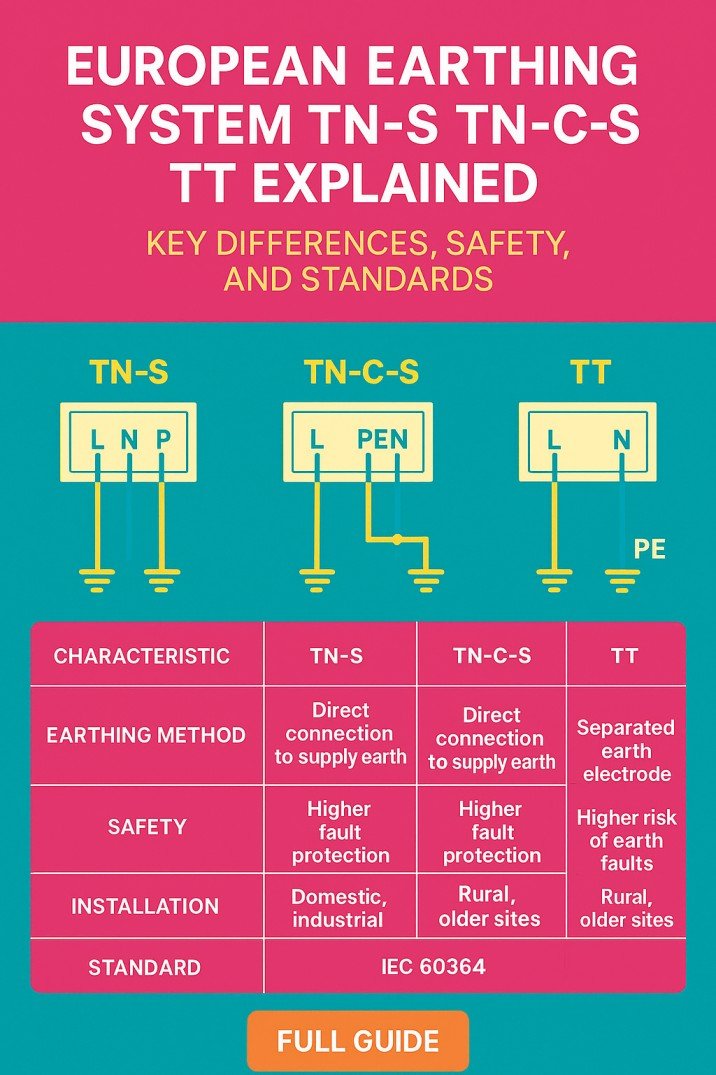
EV Charging Station Depreciation Life: Complete Guide to Asset Lifespan, Tax Benefits & ROI Optimization
Understanding EV Charging Station Depreciation Life is becoming increasingly important as electric vehicle infrastructure expands across commercial, industrial, and public sectors. Investors, businesses, and policymakers are now focusing on how long these assets remain financially viable and how depreciation impacts long-term returns. The EV ecosystem depends not only on installation but also on structured financial planning, where EV Charging Station Depreciation Life plays a central role in profitability and sustainability.
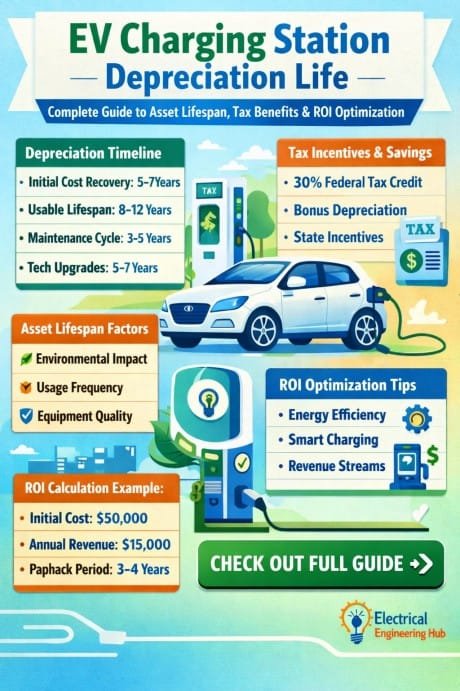
Table of Contents
When evaluating infrastructure investments, EV Charging Station Depreciation Life determines how quickly capital costs are recovered through tax benefits, operational revenue, and asset replacement cycles. A clear understanding of this concept helps businesses optimize ROI while ensuring compliance with accounting and tax regulations.
Find all about EV Charging Station Code Requirements
Asset Lifespan and Core Depreciation Overview
The foundation of EV infrastructure planning starts with estimating the useful life of charging equipment. EV Charging Station Depreciation Life typically ranges between 7 to 15 years depending on charger type, usage intensity, and environmental conditions. Fast DC chargers usually have a shorter lifecycle compared to AC chargers due to higher thermal stress and electronic complexity.
In financial accounting, EV Charging Station Depreciation Life is treated as a systematic reduction in asset value over time. This allows businesses to spread capital expenses across multiple years rather than absorbing them in a single financial period. The approach improves financial reporting accuracy and supports better investment planning.
Key components influencing Electric Vehicle Charging Station Depreciation Life include hardware durability, software upgrade capability, grid compatibility, and maintenance frequency.
Typical Asset Lifespan Breakdown
| Component Type | Average Lifespan | Impact on Depreciation |
|---|---|---|
| AC Charging Units | 10–15 years | Slow depreciation rate |
| DC Fast Chargers | 7–10 years | Faster depreciation |
| Power Modules | 5–8 years | High replacement cost |
| Charging Cables & Connectors | 3–5 years | Frequent replacement |
| Software & Backend Systems | 5–10 years | Upgrade-based value loss |
Each component contributes differently to EV Charging Station Depreciation Life, making it essential to assess assets individually rather than as a single unit.
Know more about ChargePoint Charging Station Cost
Factors Influencing Depreciation Rate
Several operational and environmental conditions directly affect Electric Vehicle Charging Station Depreciation Life. High usage frequency, extreme weather exposure, and grid instability can significantly reduce the functional lifespan of equipment.
One of the most critical factors is charging demand intensity. Stations located on highways or commercial hubs experience faster wear and tear compared to residential setups. This accelerates the reduction in EV Charging Station Depreciation Life and increases maintenance costs.
Another key factor is technological evolution. As charging standards evolve, older systems may become partially obsolete even if they are physically functional. This technological shift shortens effective EV Charging Station Depreciation Life from a financial perspective.
Regulatory compliance also plays a role. Updates in safety standards or efficiency requirements may force early upgrades or replacements, indirectly impacting Electric Vehicle Charging Station Depreciation Life calculations.
Key Depreciation Influencers
- Usage frequency and load cycles
- Environmental conditions such as heat, dust, and humidity
- Software upgrade compatibility
- Electrical grid stability
- Technological advancements in charging speed
All these factors must be considered when estimating EV Charging Station Depreciation Life for accurate financial forecasting.
Use our online tool EV Charger Load Calculation Tool
Tax Benefits and Financial Planning
From a taxation perspective, EV Charging Station Depreciation Life offers significant advantages for businesses investing in clean energy infrastructure. Depreciation allows companies to reduce taxable income while reflecting asset usage accurately over time.
In many jurisdictions, accelerated depreciation methods are available for green energy assets, making EV Charging Station Depreciation Life even more financially attractive. This means higher deductions in early years, improving cash flow and reducing upfront financial burden.
Strategic tax planning ensures that businesses align EV Charging Station Depreciation Life with revenue generation cycles. This alignment improves net profitability and enhances return on investment.
Governments often encourage EV infrastructure development by offering incentives such as tax credits, subsidies, and reduced import duties. These benefits further optimize the financial outcomes tied to EV Charging Station Depreciation Life.
ROI Optimization Strategies
Maximizing returns requires careful management of EV Charging Station Depreciation Life alongside operational efficiency. A well-structured depreciation plan ensures that capital recovery aligns with revenue generation from charging services.
Location strategy plays a major role in optimizing ROI. High-traffic areas generate faster revenue recovery, which balances the depreciation impact over time. Similarly, dynamic pricing models based on peak demand can improve profitability during the asset’s effective EV Charging Station Depreciation Life.
Preventive maintenance is another crucial factor. Regular servicing extends operational efficiency and helps stabilize EV Charging Station Depreciation Life by reducing unexpected breakdowns and downtime.
ROI Optimization Comparison
| Strategy | Impact on ROI | Effect on Depreciation |
|---|---|---|
| High-traffic placement | High revenue | Faster usage cycle |
| Preventive maintenance | Stable ROI | Slower depreciation |
| Dynamic pricing | Increased ROI | Balanced revenue flow |
| Software upgrades | Medium ROI | Extends usability |
A structured approach to EV Charging Station Depreciation Life ensures consistent financial performance across the asset’s lifespan.
Know more about Electric Vehicle Charging Station Cost
Accounting Methods for Depreciation
Different accounting methods influence how EV Charging Station Depreciation Life is recorded and interpreted in financial statements. The most commonly used methods include straight-line depreciation and declining balance depreciation.
Straight-line depreciation spreads the cost evenly across the EV Charging Station Depreciation Life, making it easier to manage predictable financial planning. On the other hand, declining balance methods allocate higher depreciation in early years, reflecting faster value loss in technologically intensive assets.
Depreciation Methods Overview
| Method | Structure | Suitability for EV Charging |
|---|---|---|
| Straight-line | Equal annual expense | Stable long-term assets |
| Declining balance | Higher early depreciation | Tech-heavy charging systems |
| Units of production | Usage-based depreciation | High-traffic stations |
Selecting the right method significantly impacts how EV Charging Station Depreciation Life is reflected in financial reports and tax filings.
Know more about Best 12 Electric Vehicle Charging Stations in New York
Maintenance and Operational Efficiency
Maintenance is a critical factor that directly influences EV Charging Station Depreciation Life. Regular inspections, software updates, and component replacements ensure optimal performance and reduce premature asset degradation.
Neglecting maintenance leads to faster deterioration of key components such as connectors, cooling systems, and power electronics. This reduces effective EV Charging Station Depreciation Life and increases total cost of ownership. Use our online tool ev battery degradation calculator
Predictive maintenance using IoT-based monitoring systems is becoming a standard practice in modern EV infrastructure. These systems help identify potential failures before they occur, extending operational lifespan and stabilizing EV Charging Station Depreciation Life.
Replacement Planning and Upgrade Cycles
Planning for replacement is essential in managing EV Charging Station Depreciation Life effectively. As charging technology evolves, older systems may no longer meet efficiency or speed requirements, even if they are still functional.
Explore everything about Electric Vehicle Battery Replacement Cost
A structured upgrade cycle ensures minimal disruption to operations while maximizing asset value. Businesses often plan partial replacements, upgrading power modules or software systems instead of replacing entire units.
Lifecycle planning helps align capital expenditure with EV Charging Station Depreciation Life, ensuring smoother financial transitions and improved long-term sustainability.
Conclusion
A well-planned understanding of EV Charging Station Depreciation Life is essential for businesses investing in electric mobility infrastructure. It not only defines how assets lose value over time but also shapes tax planning, ROI strategies, and long-term operational efficiency.
When properly managed, EV Charging Station Depreciation Life becomes a financial advantage rather than a cost burden. By aligning maintenance, accounting methods, and usage strategies, businesses can significantly improve profitability and asset performance.
Ultimately, EV Charging Station Depreciation Life serves as a core metric for evaluating investment sustainability in the rapidly growing EV ecosystem, making it a critical consideration for any stakeholder in this industry.
Know more about EV Battery Types
Follow Us on Social:
Subscribe our Newsletter on Electrical Insights for latest updates from Electrical Engineering Hub
#EVChargingStationDepreciationLife,#EVChargingDepreciation,#EVInfrastructure,#ChargingStationROI,#ElectricVehicleCharging,#AssetDepreciation,#TaxDepreciation,#EVChargingStations,#GreenEnergyInfrastructure,#EVChargingProfitability