
Types of RCD: AC, A, F, B and S Explained
Types of RCD: AC, A, F, B and S explained with key differences, applications, tripping characteristics, IEC standards, and selection tips.
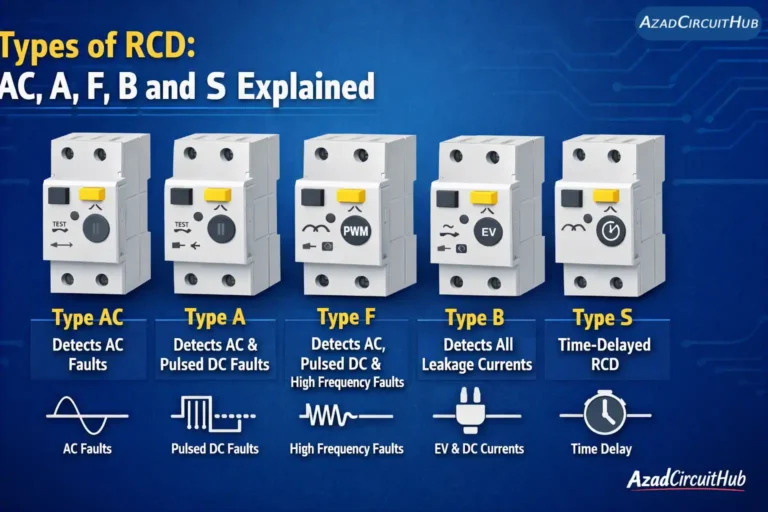
Types of RCD: AC, A, F, B and S explained with key differences, applications, tripping characteristics, IEC standards, and selection tips.

Thermal overload relay setting explained — step-by-step setting procedure, FLA-based adjustment, and common trip issues for 3-phase motors.
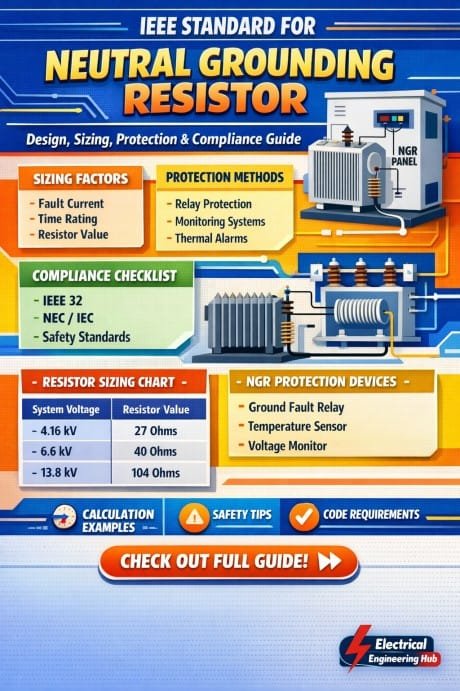
Learn the IEEE standard for neutral grounding resistor including design principles, sizing methods, protection schemes, and compliance requirements for safe and efficient power system grounding.
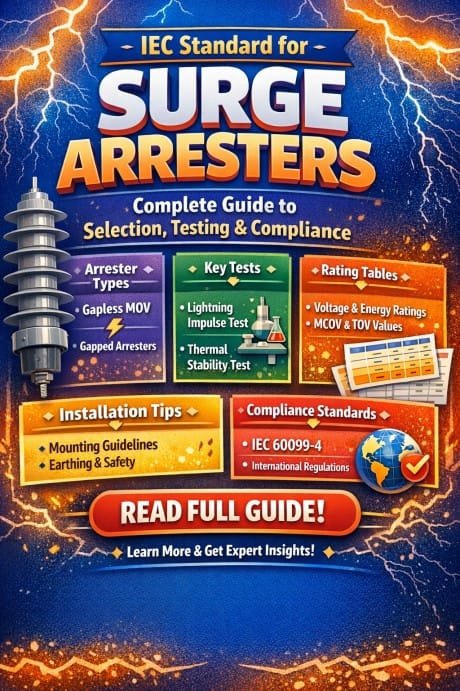
Learn the IEC standard for surge arresters, including selection criteria, testing methods, and compliance requirements to ensure reliable protection in electrical systems.

Find the best 50 amp RV surge protector to safeguard your RV from voltage spikes, wiring faults, and campground power issues. Explore expert insights, comparison tips, and must-know features before you buy.
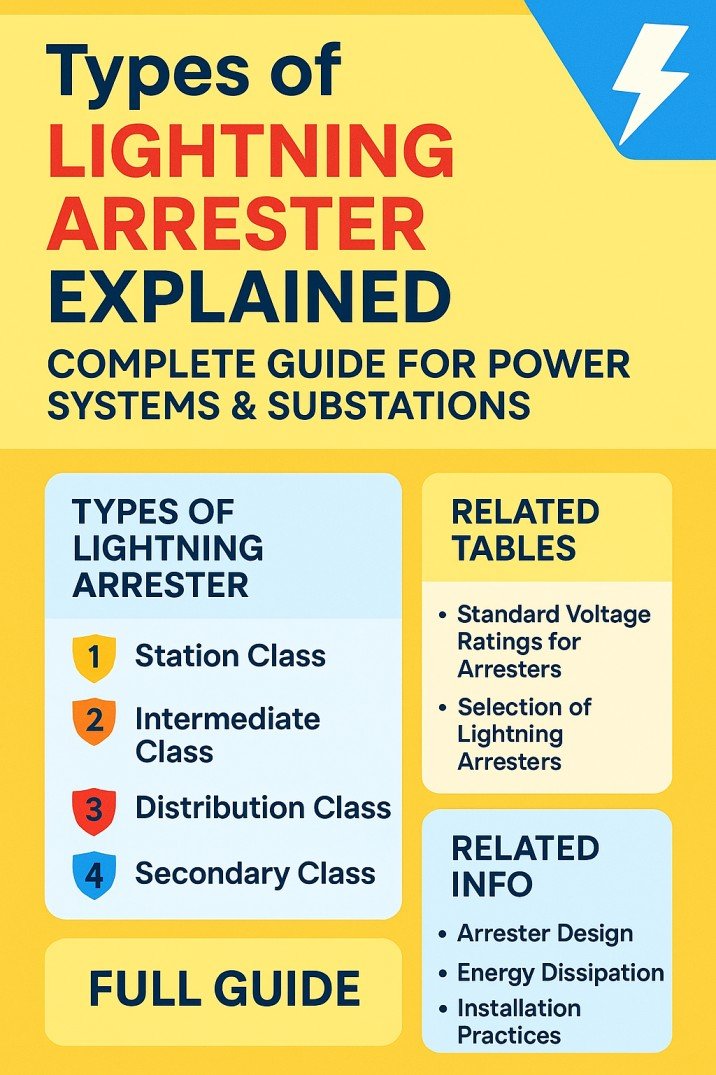
Types of lightning arrester explained in detail, including working principles, applications, and selection tips for substations, transmission lines, and industrial power systems.
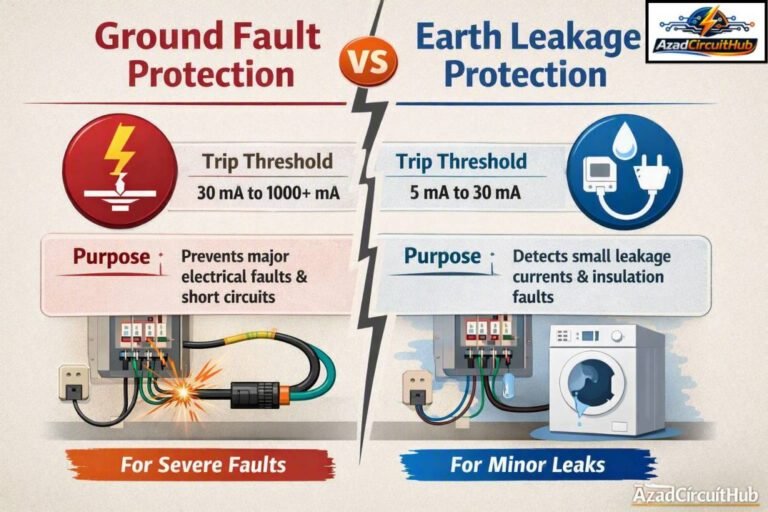
Ground Fault Protection vs Earth Leakage Protection: compare relays, fault detection, sensitivity, applications, and electrical safety for reliable protection.

Discover NEMA 250 Enclosures, the leading electrical enclosure standards ensuring safety, reliability, and durability. Explore top manufacturing companies delivering high-quality solutions for industrial and commercial applications.
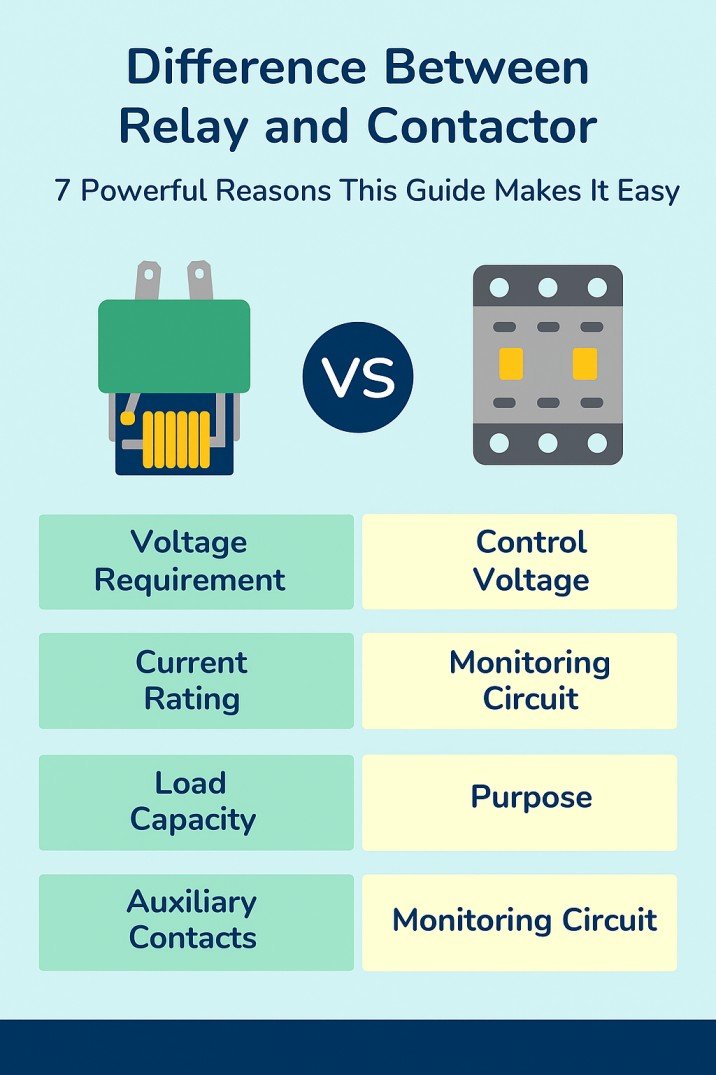
Understanding the Difference Between Relay and Contactor is important for anyone…

Discover how a motor overload protection chart helps improve motor reliability, prevent failures, and enhance safety. Learn key settings, protection methods, and practical tips to keep your electrical systems running smoothly.
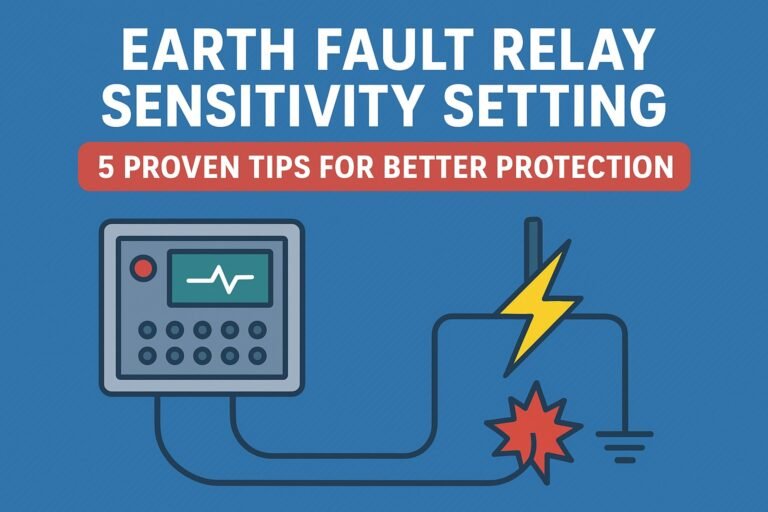
Earth Fault Relay Sensitivity Setting explained with pickup current, time delay, coordination, and protection principles for reliable electrical fault protection.
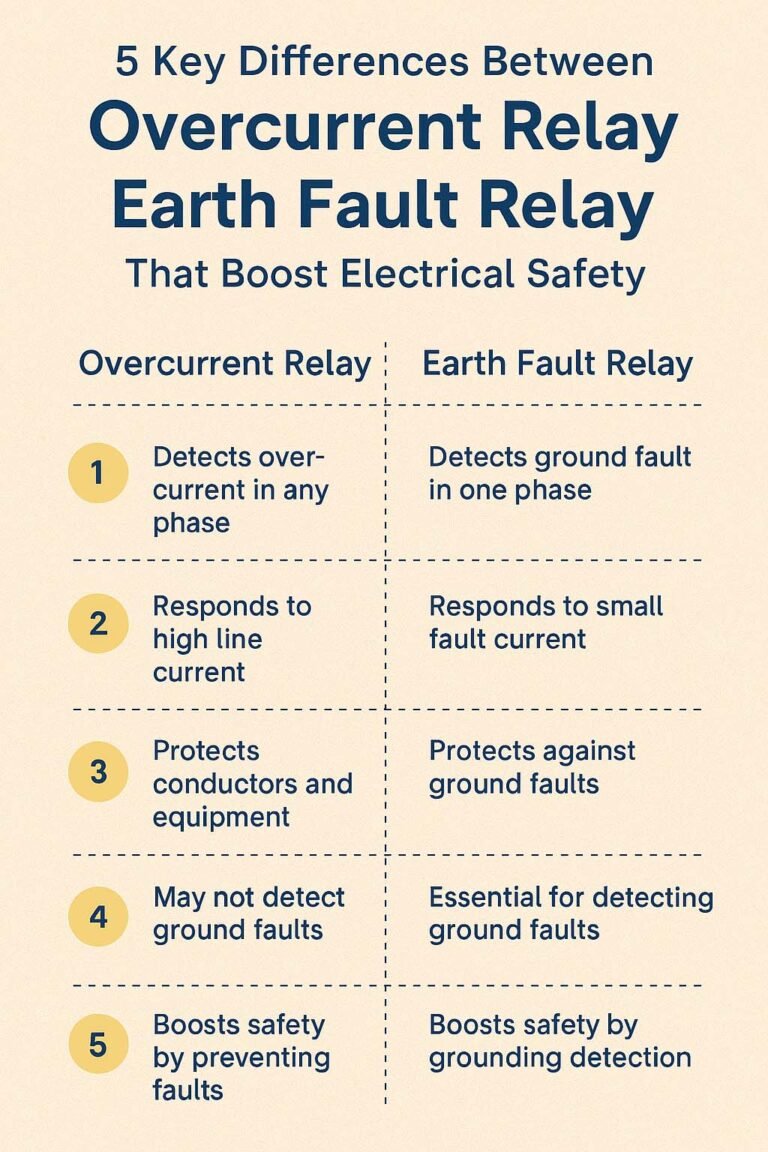
Differences Between Overcurrent and Earth Fault Relay explained with key functions, operating principles, protection zones, applications, and practical comparison for electrical systems.
Learn how to select an overcurrent relay with this complete step-by-step guide. Understand types, settings, and applications to ensure reliable power system protection.
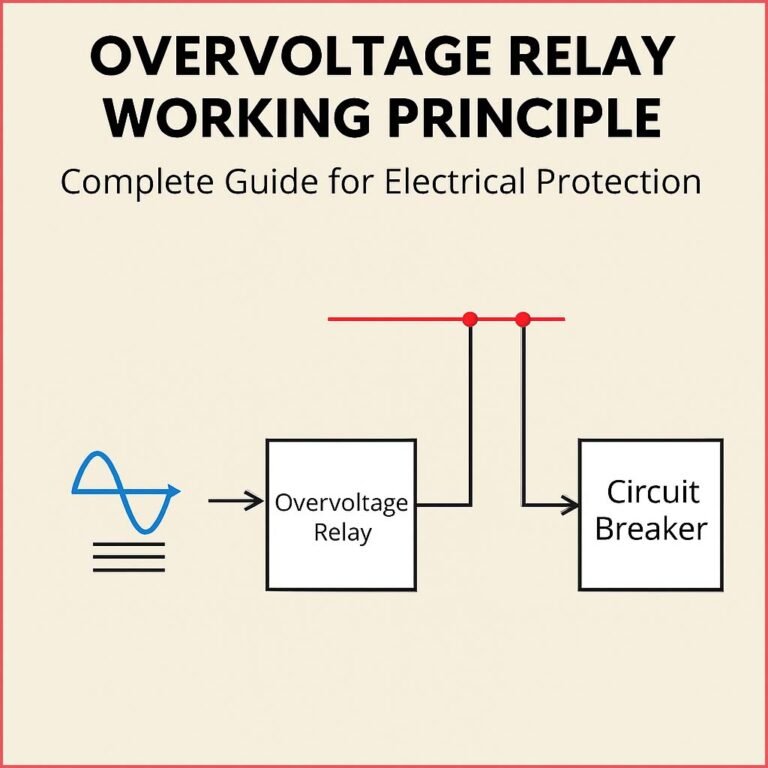
Learn the overvoltage relay working principle in detail with this complete guide. Understand its operation, applications, and importance in protecting electrical systems from high voltage.

Learn how to set overcurrent protection relay settings with a clear, step-by-step guide. Understand pickup settings, time dial selection, coordination methods, and best practices for reliable electrical system protection.

Learn about what is an overcurrent relay is, how it works, and its role in protecting electrical circuits. Understand types, working principles, and applications in simple terms.

Learn how to set earth fault relay settings correctly with practical steps, coordination guidelines, and safety considerations to ensure accurate, fast, and reliable fault protection in electrical systems.
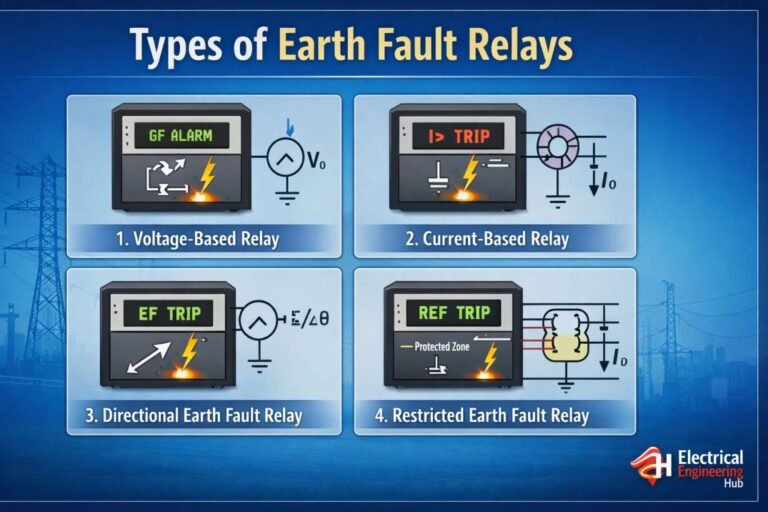
Discover the different types of earth fault relays used in electrical protection systems. Learn how each relay works, where it is applied, and why proper earth fault protection is essential for safety and system stability.
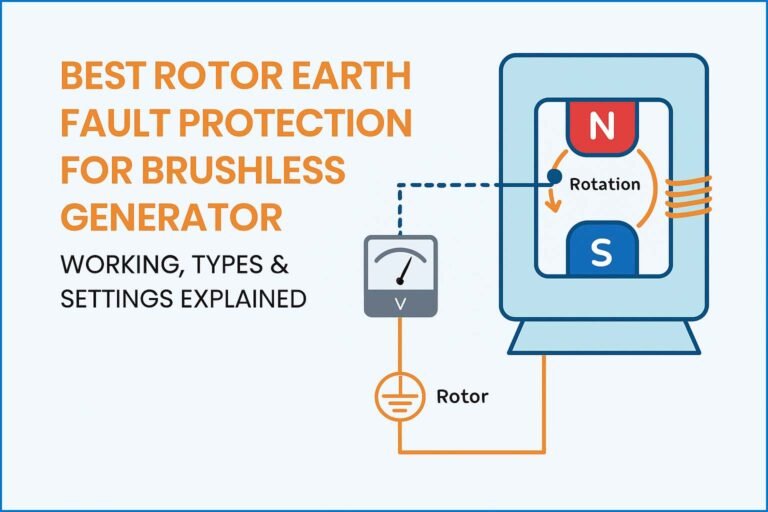
Rotor earth fault protection for brushless generator is one of the…

Calculating the correct size of a main circuit breaker is one…
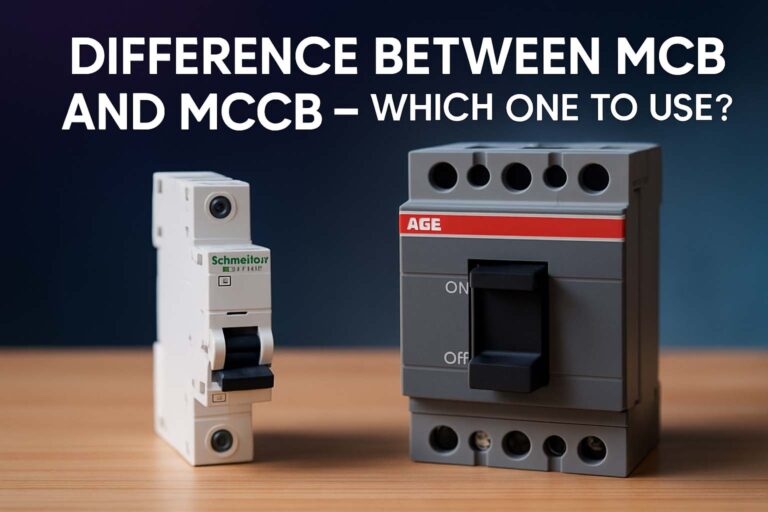
If you’re planning a new electrical installation or upgrading an old…

Understanding the Earthing Transformer Working Principle The earthing transformer working principle…

Understanding the IEC Standard for Air Circuit Breaker Air Circuit Breakers…

Testing of protection systems is a vital part of electrical power…

The Secondary Injection Test procedure is an essential process in electrical…

Understanding the types of faults in a power system is crucial…

Types of Overcurrent Relays explained with working principles, characteristics, applications, and selection criteria. Learn how different relay types protect electrical systems.

Differential relay setting calculation for transformer is a critical aspect of…

Motor circuit breaker sizing is one of the most important steps…

Residual current is an important concept in electrical safety. Especially in…