
Phase to Phase Clearance for ANSI/IEEE Transmission Voltages (69-500 kV)
Phase to Phase Clearance for ANSI/IEEE Transmission Voltages (69–500 kV), with voltage-wise clearance values, transmission line spacing, and safety standards.
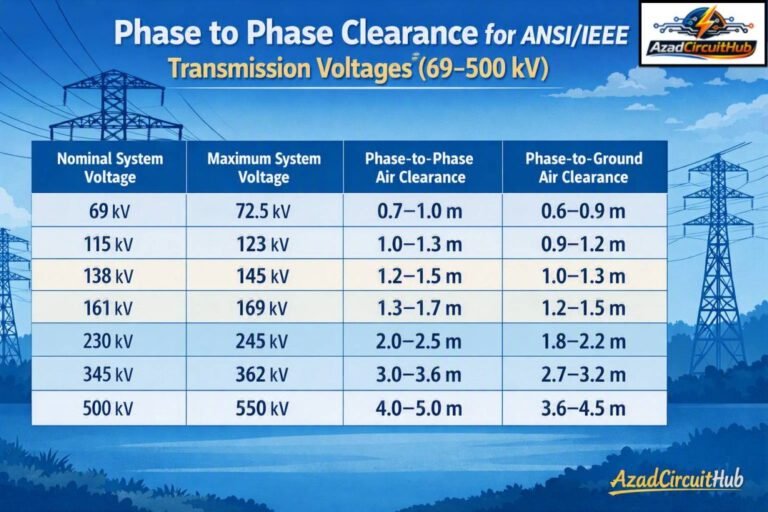
Phase to Phase Clearance for ANSI/IEEE Transmission Voltages (69–500 kV), with voltage-wise clearance values, transmission line spacing, and safety standards.
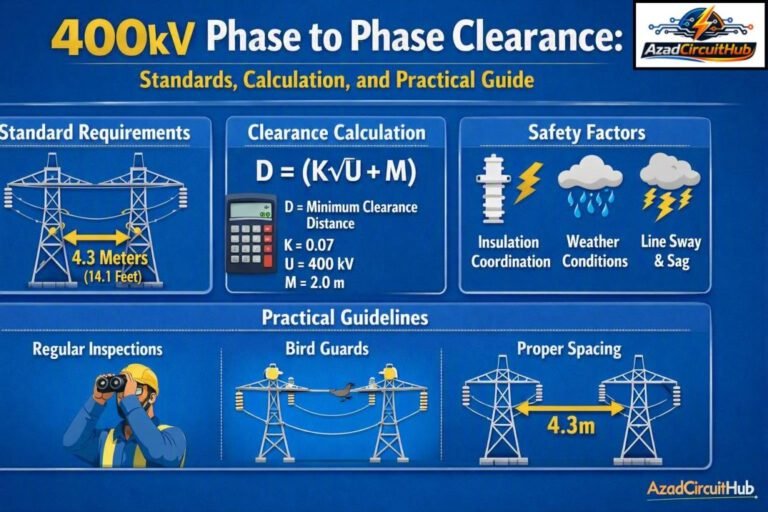
Learn 400kV Phase to Phase Clearance requirements, IEC standards, calculation methods, safety distances, and practical guidelines for HV substations and lines.
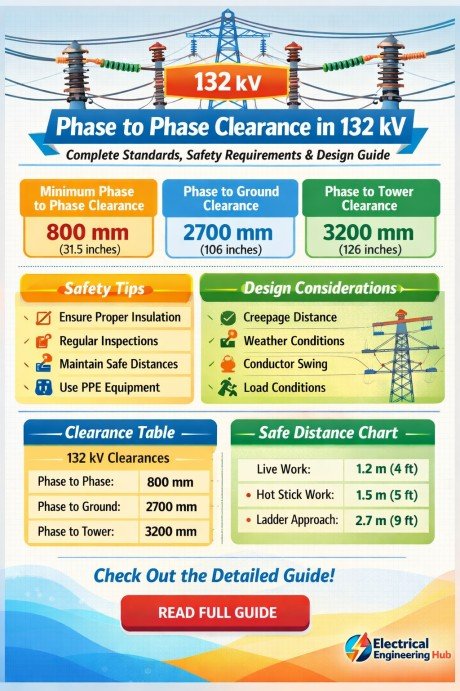
Phase to phase clearance in 132 kV systems is critical for electrical safety, insulation coordination, and reliable power transmission. Learn standard clearance requirements, design considerations, IEC guidelines, and best engineering practices.
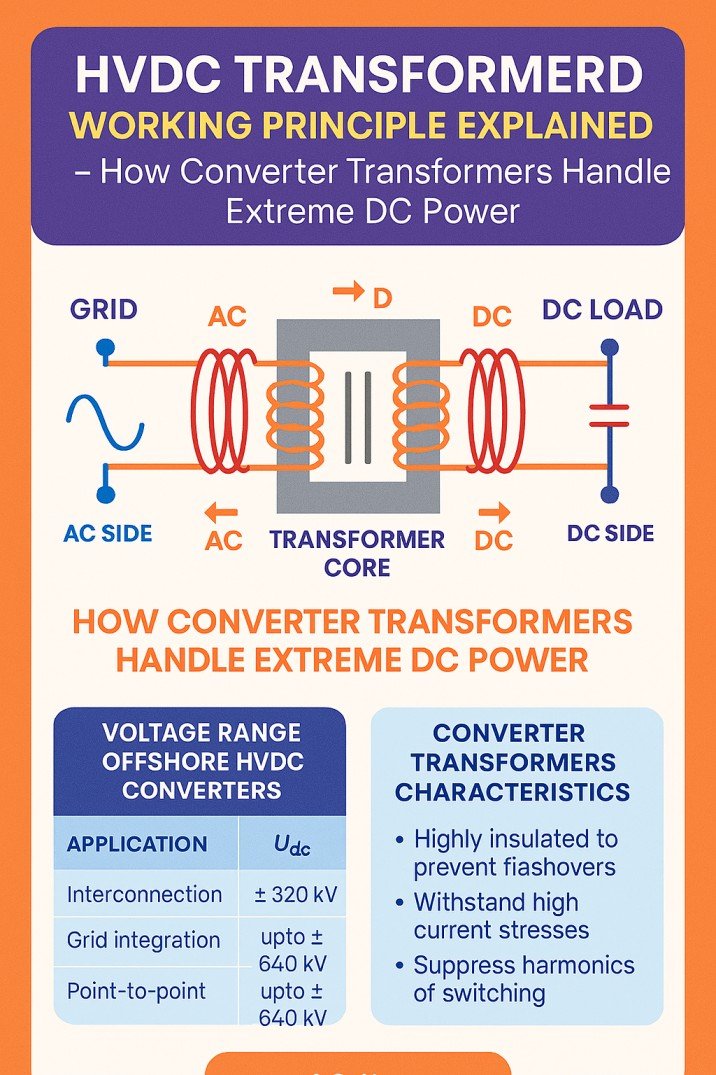
HVDC transformer working principle explained in detail—learn how converter transformers manage insulation stress, harmonics, valve-side currents, and extreme DC power in modern HVDC systems.
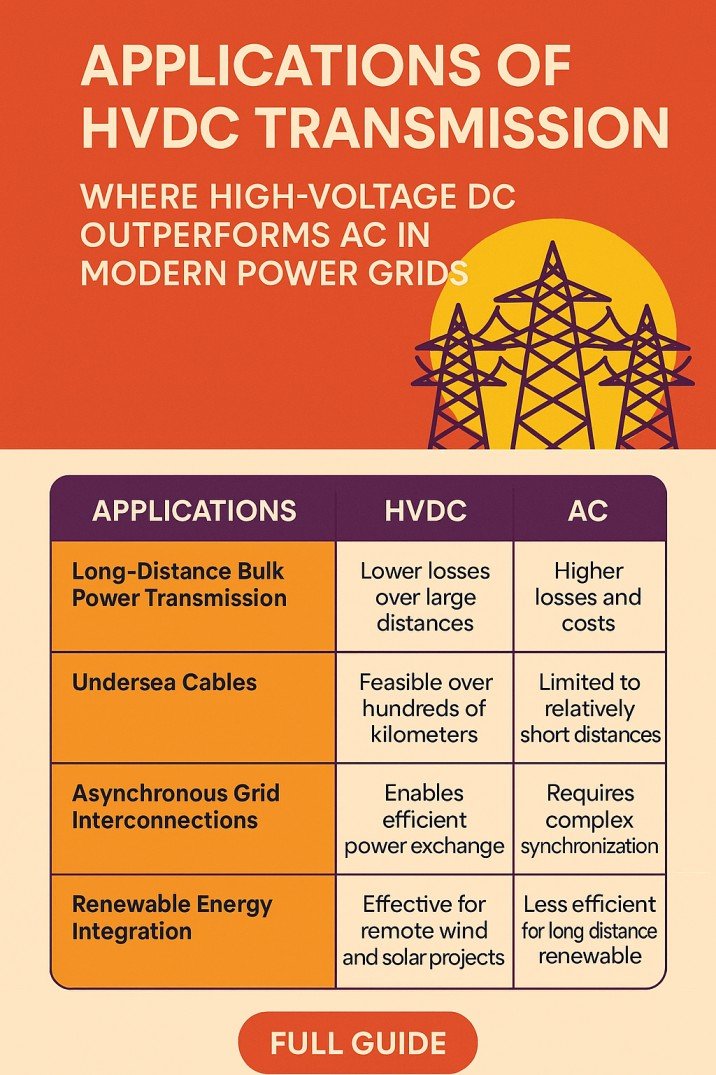
Applications of HVDC Transmission explained with real-world examples, benefits, and use cases where HVDC is preferred over AC for long-distance, submarine, and renewable power transfer.
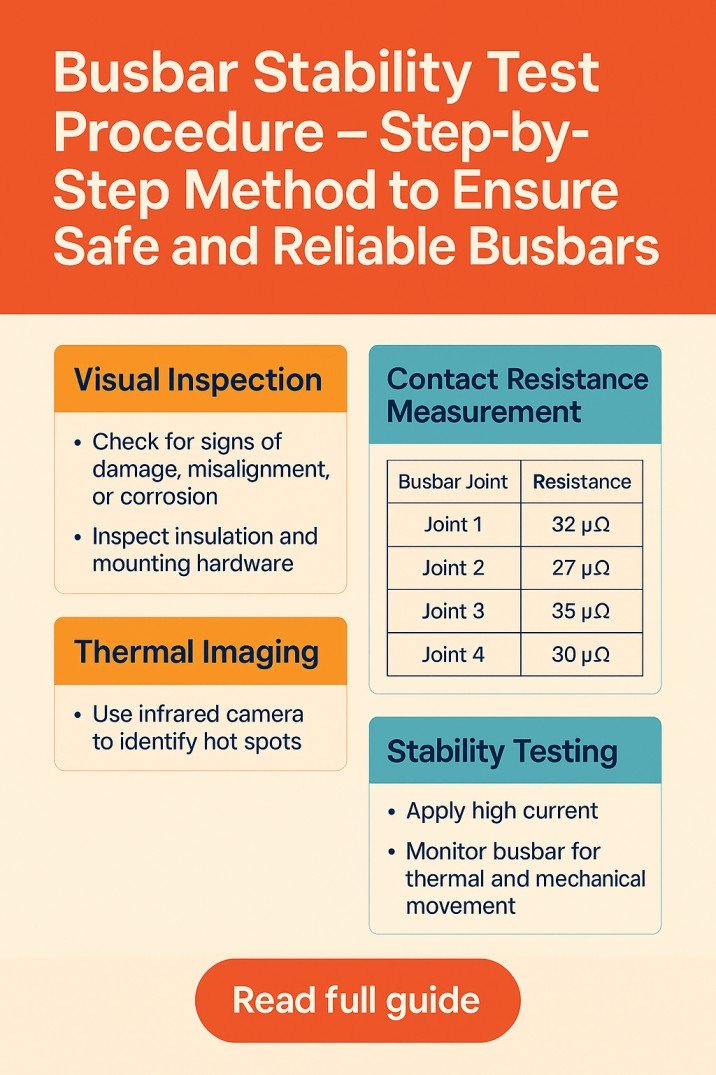
Learn the busbar stability test procedure step by step with clear explanations, practical tips, and engineering insights to verify busbar strength, short-circuit performance, and long-term system reliability.
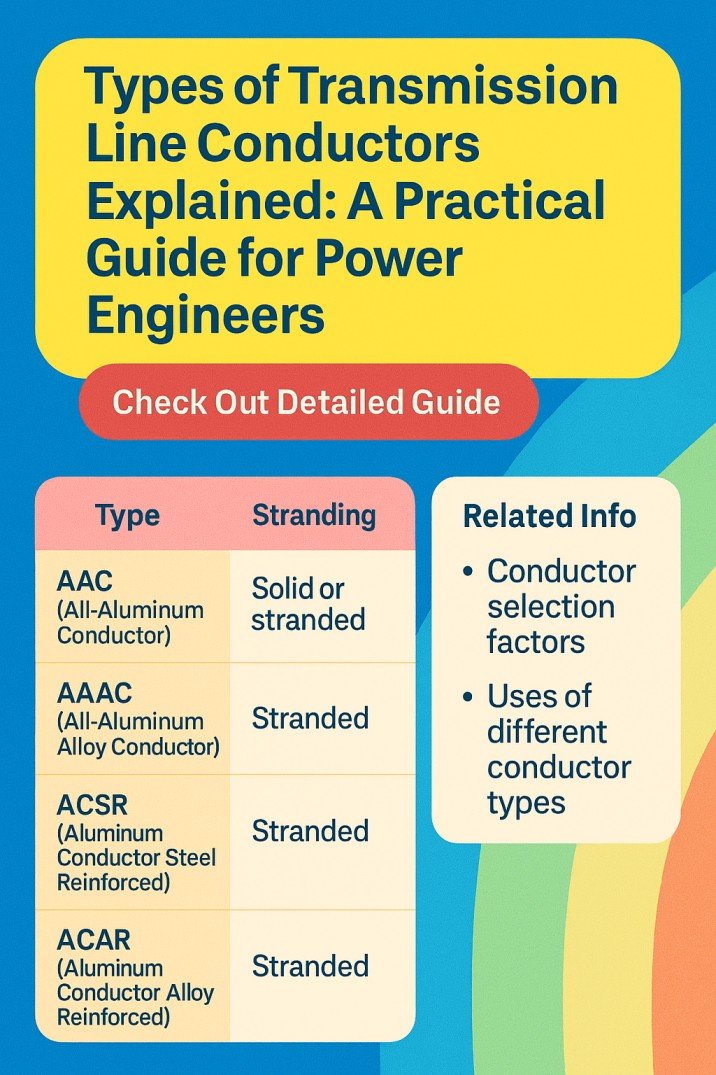
Learn the types of transmission line conductors, their construction, applications, advantages, and selection criteria. A clear, engineer-focused guide for modern power transmission systems.
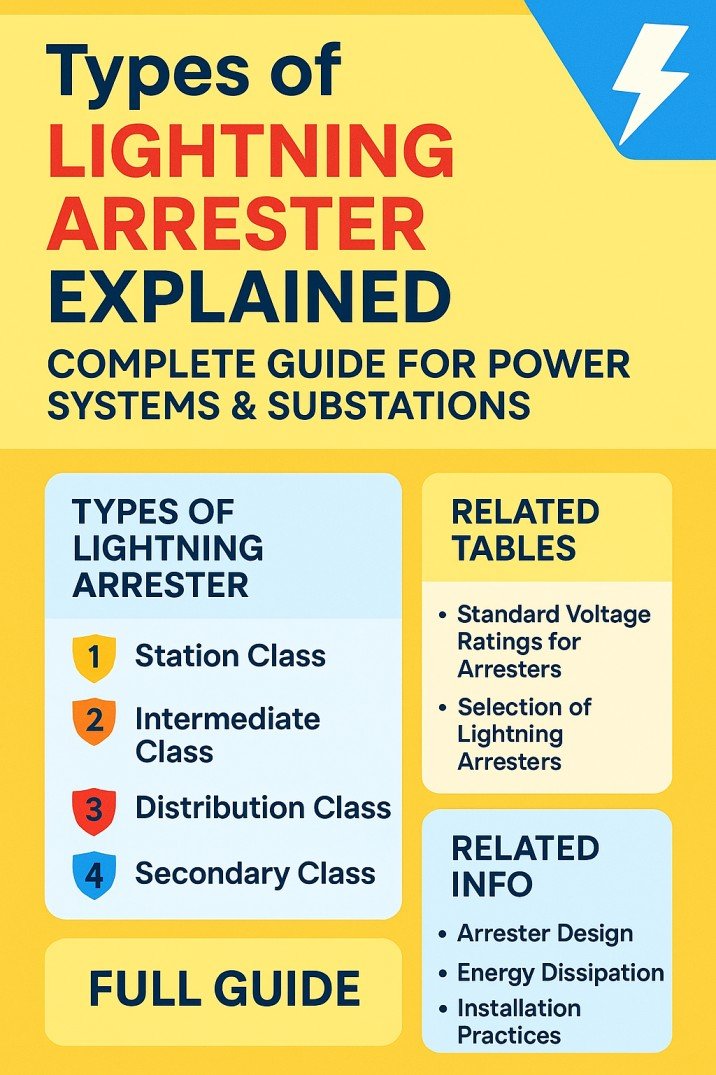
Types of lightning arrester explained in detail, including working principles, applications, and selection tips for substations, transmission lines, and industrial power systems.
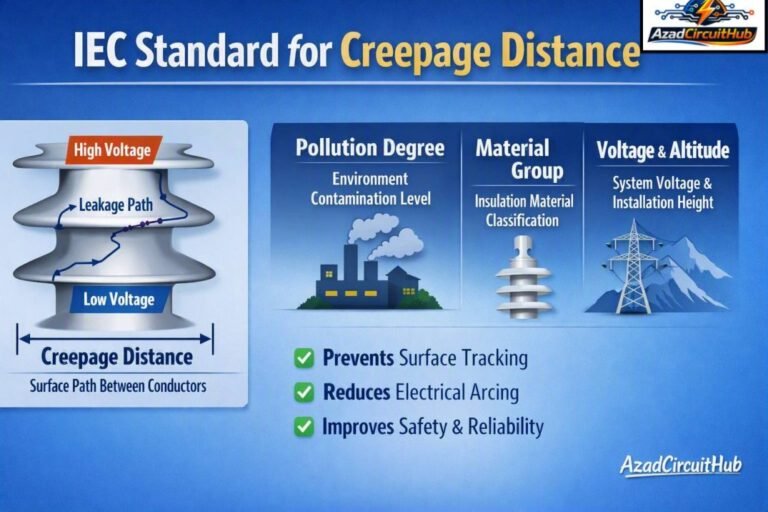
Learn about the IEC standard for creepage distance, its importance in electrical insulation design, and compliance requirements for high-voltage equipment, transformers, and switchgear systems
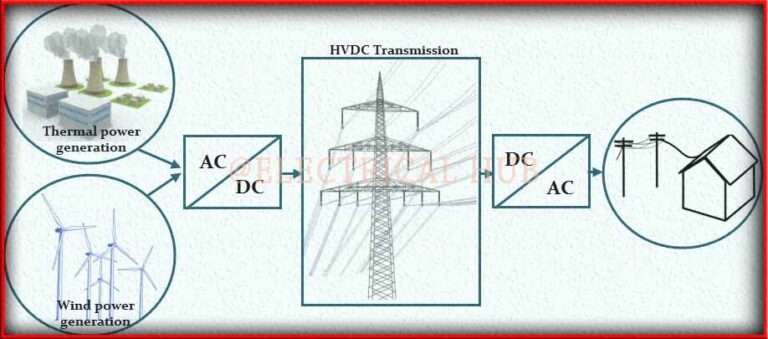
HVDC Transmission is transforming long-distance power transfer with higher efficiency and stability. Learn its important components, working principles, and practical applications in modern power grids.